Cnc Kink Consensual Non Consent

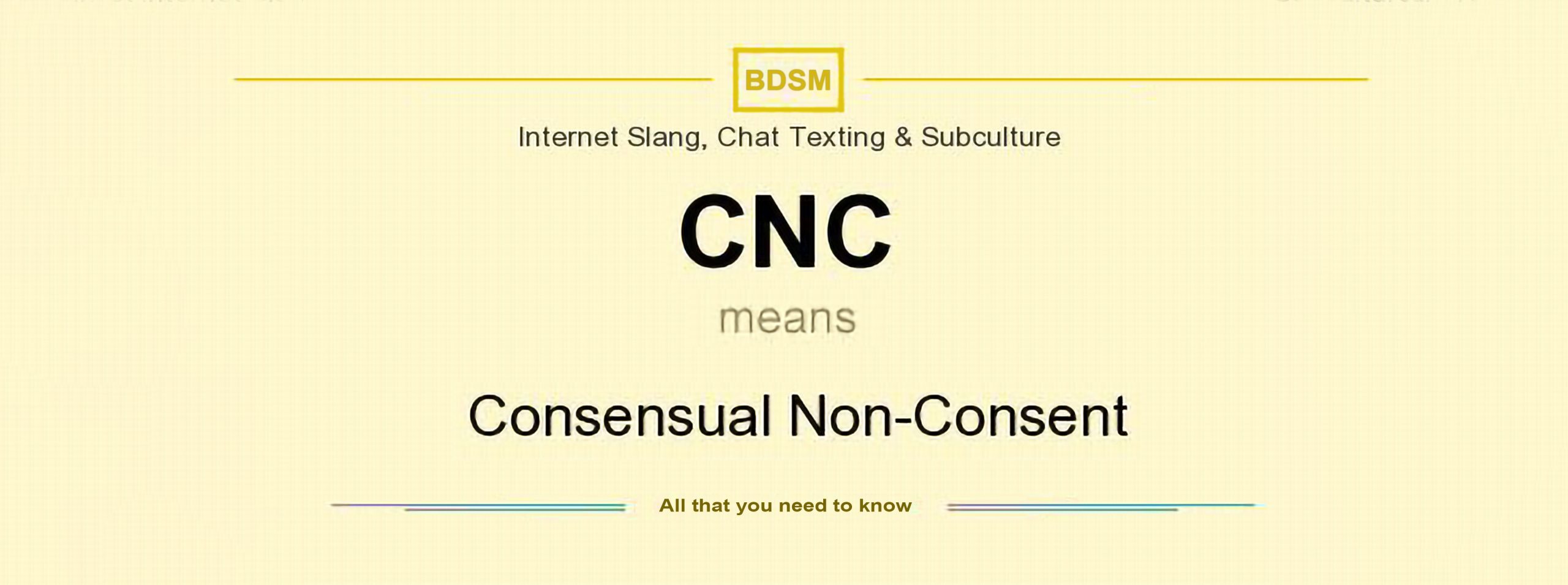
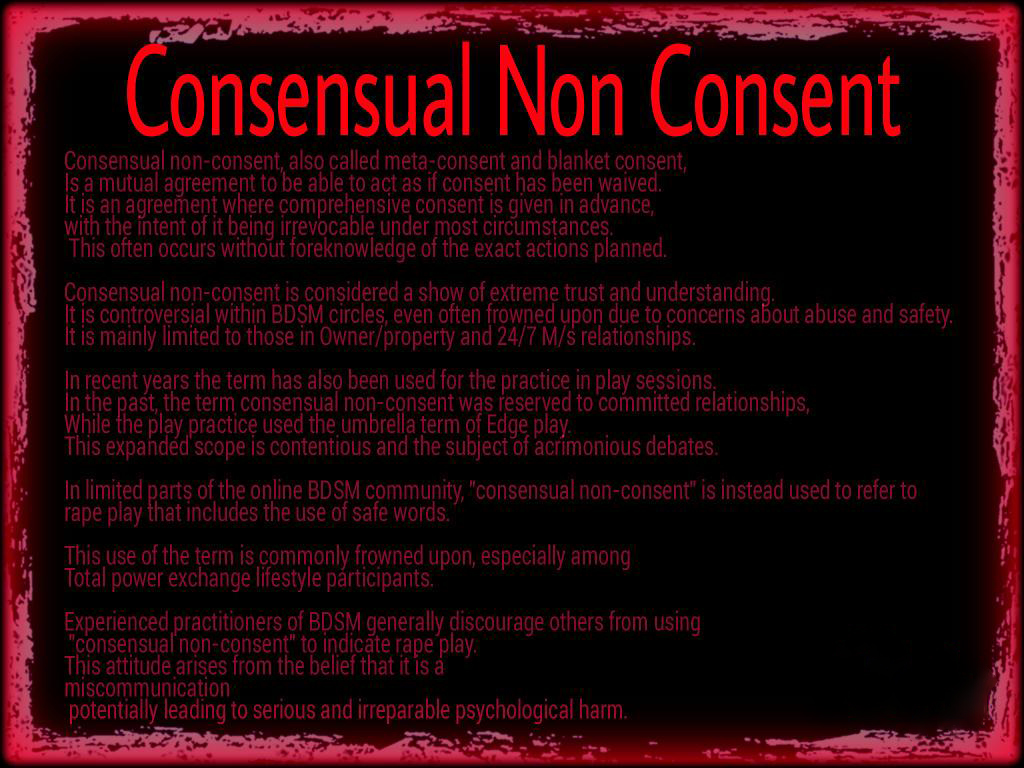
The concept of CNC, or Consensual Non Consent, has been a topic of discussion in various communities, particularly in the realm of BDSM and kink. At its core, CNC refers to a pre-negotiated agreement between parties to engage in activities that may involve a degree of coercion, resistance, or non-consent, all while maintaining a safe and consensual framework. This complex and nuanced topic has a rich history, dating back to the early days of BDSM, where individuals would engage in role-playing scenarios that involved elements of power exchange, submission, and dominance.
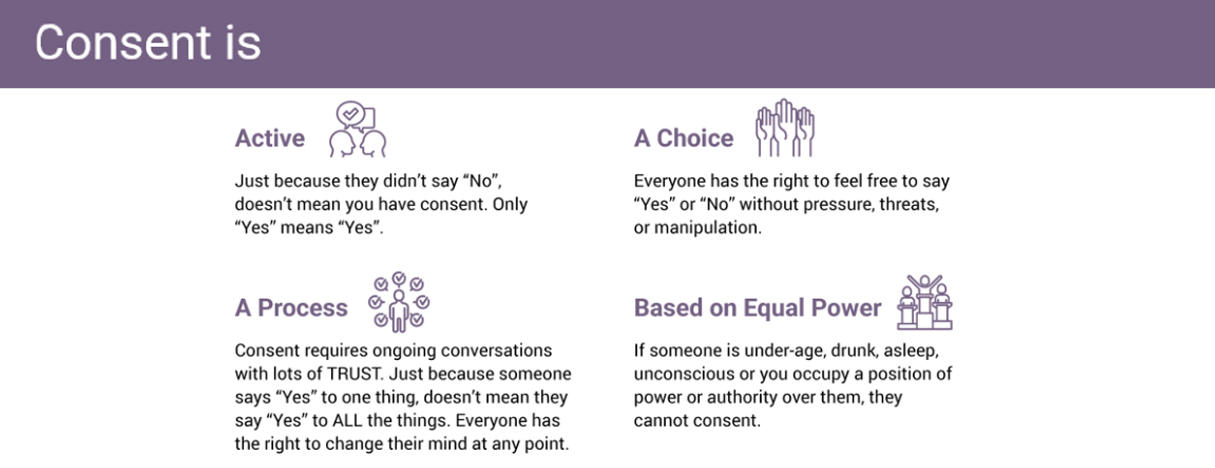
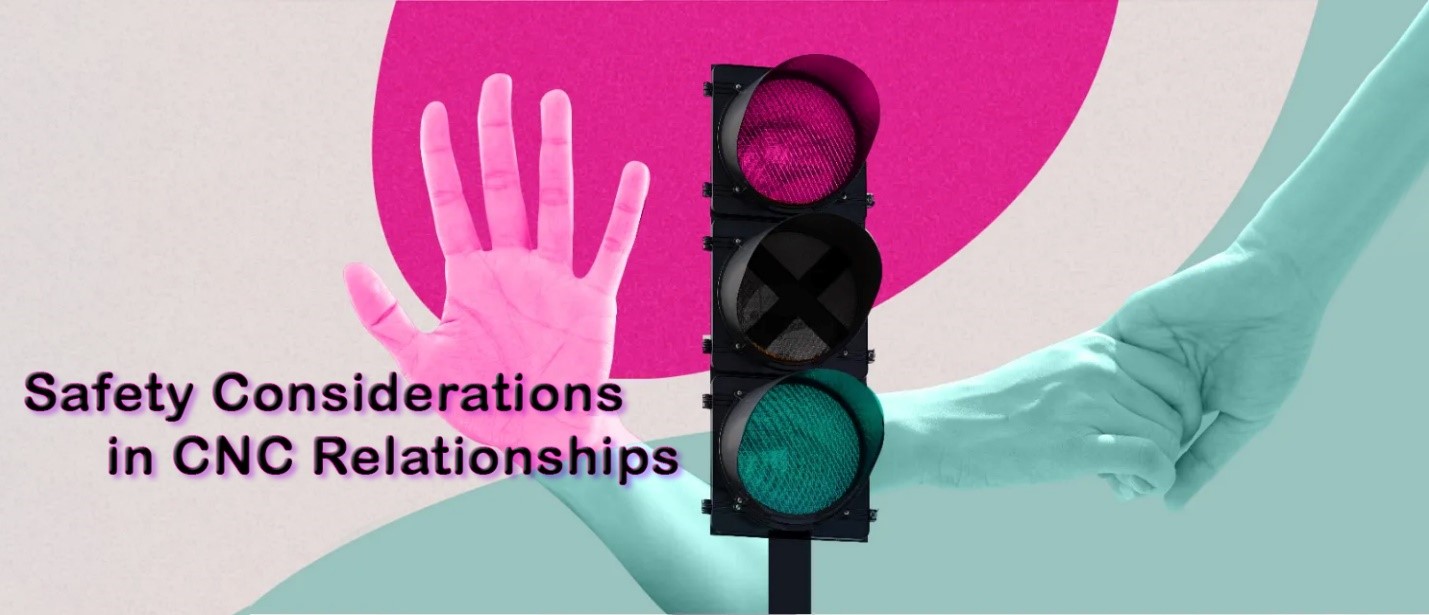
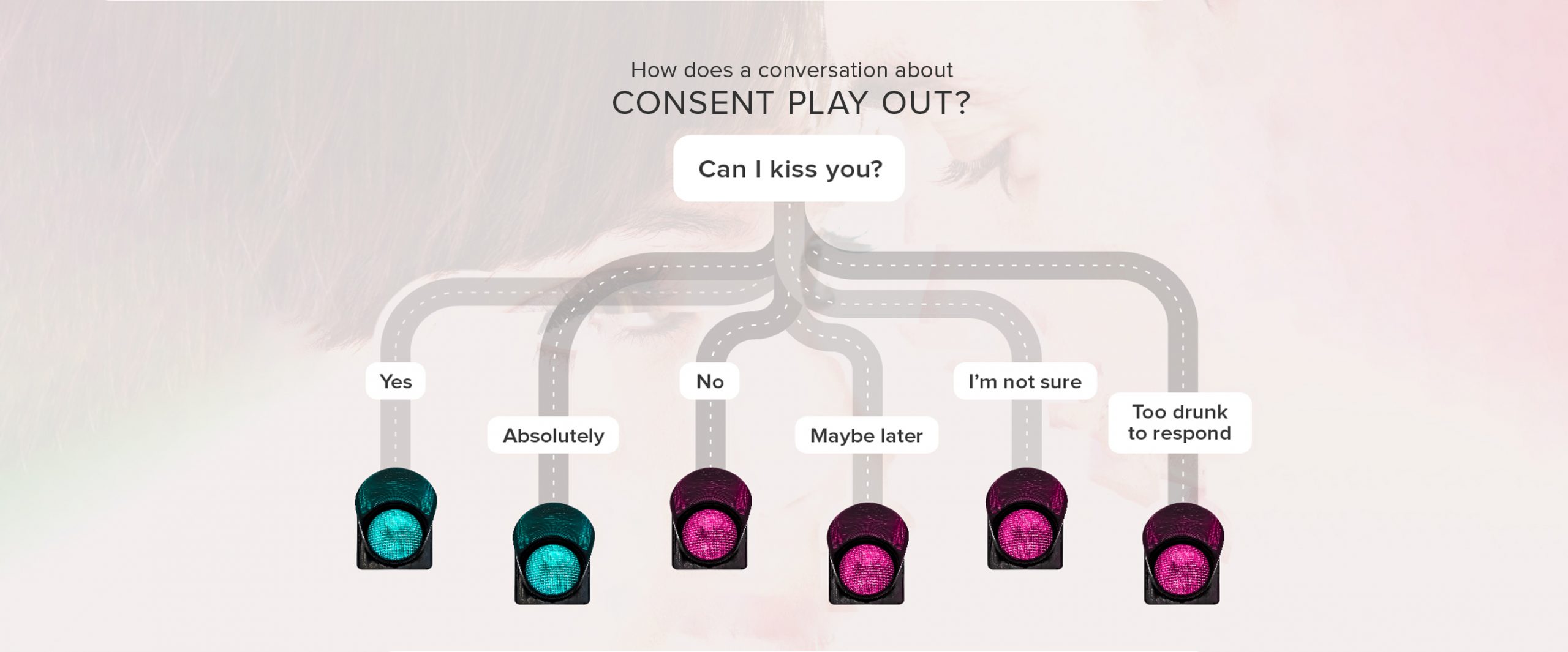
One of the key aspects of CNC is the emphasis on communication and negotiation between parties. Before engaging in any CNC-related activities, individuals must carefully discuss and agree upon the terms, boundaries, and limits of their interaction. This includes establishing a safe word or signal, which can be used to immediately halt the activity if either party becomes uncomfortable or exceeds their predetermined limits. The importance of trust and mutual respect cannot be overstated in CNC relationships, as it allows individuals to feel secure in their exploration of desires and boundaries.
Despite its growing popularity, CNC remains a misunderstood and often stigmatized aspect of kink culture. Many individuals are hesitant to explore CNC due to concerns about safety and consent, or fear of being judged by others. However, for those who practice CNC, it can be a deeply liberating and empowering experience, allowing them to tap into their desires and boundaries in a safe and controlled environment. As our understanding of human sexuality and relationships continues to evolve, it's essential to approach topics like CNC with an open mind and a willingness to learn.
Must Read
Delving Deeper into CNC
As we explore the world of CNC, it's essential to acknowledge the psychological aspects that come into play. For many individuals, CNC serves as a means of exploring their deep-seated desires and fantasies, which may involve elements of power exchange, submission, or dominance. By engaging in CNC activities, individuals can experience a sense of catharsis, allowing them to release pent-up emotions and tensions in a safe and controlled environment. Furthermore, CNC can also serve as a means of building trust and intimacy between partners, as they work together to navigate the complexities of their desires and boundaries.
One of the most fascinating aspects of CNC is its cultural impact on the world of kink and BDSM. The rise of CNC has led to the creation of new communities and forums, where individuals can connect with like-minded others and share their experiences and knowledge. This has also led to the development of new safety protocols and guidelines, designed to ensure that CNC activities are conducted in a safe and consensual manner. As CNC continues to grow in popularity, it's likely that we'll see even more innovative and creative approaches to this complex and nuanced topic.
For those interested in exploring CNC, it's essential to approach the topic with caution and respect. This includes taking the time to educate oneself on the fundamentals of CNC, including the importance of communication, negotiation, and safety protocols. It's also essential to find a supportive community or partner, who can provide guidance and support as you navigate the complexities of CNC. By approaching CNC with an open mind and a willingness to learn, individuals can unlock a deeply rewarding and empowering experience that allows them to tap into their desires and boundaries.

As we delve deeper into the world of CNC, it's clear that this complex and nuanced topic is full of surprises. From the intense emotional connections that can form between partners, to the creative and innovative approaches to CNC activities, there's no denying that this topic is full of depth and complexity. Whether you're a seasoned practitioner of CNC or just starting to explore the topic, there's always more to learn and discover in this fascinating and ever-evolving world.
Practical Insights and Applications
So, how can individuals apply the principles of CNC to their own lives and relationships? For starters, it's essential to communicate openly and honestly with your partner about your desires and boundaries. This includes discussing your hard limits and soft limits, as well as establishing a safe word or signal that can be used to halt the activity if needed. By prioritizing communication and mutual respect, individuals can build a strong foundation for CNC activities that is based on trust, consent, and open communication.
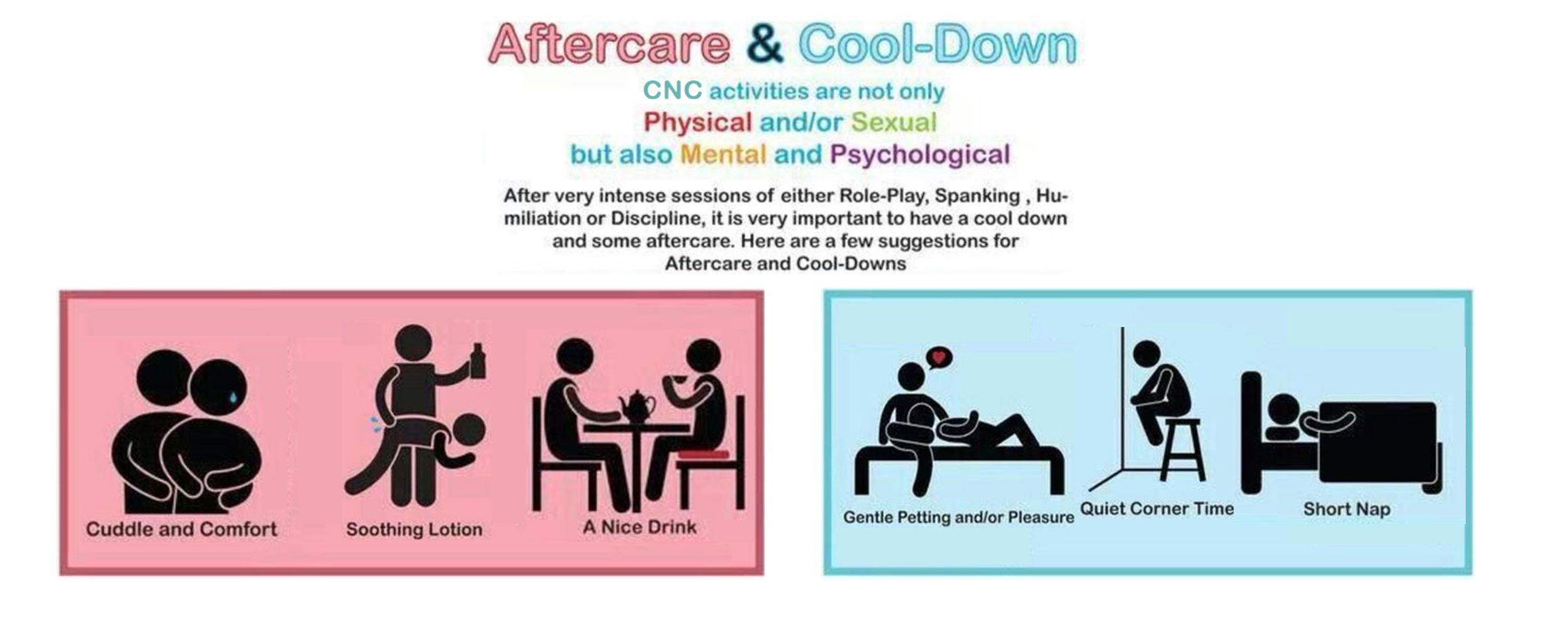
Another essential aspect of CNC is the importance of aftercare. After engaging in CNC activities, it's essential to take the time to debrief and process your emotions and experiences. This can involve discussing the activity with your partner, as well as taking time to reflect on your own feelings and boundaries. By prioritizing aftercare, individuals can ensure that they're physically and emotionally safe after engaging in CNC activities, and can also deepen their connection with their partner.
For those looking to explore CNC in a more casual setting, there are many online communities and forums that can provide a safe and supportive environment for discussion and exploration. These communities can offer a wealth of information and resources on the topic of CNC, including personal anecdotes and experiences from seasoned practitioners. By connecting with others who share your interests and desires, you can build a support network that can help you navigate the complexities of CNC.
Finally, it's essential to remember that CNC is not for everyone. While it can be a deeply rewarding and empowering experience for some, it may not be the right fit for others. By prioritizing your own desires and boundaries, and being respectful of others, you can ensure that you're approaching the topic of CNC in a safe and consensual manner. Whether you're interested in exploring CNC or simply looking to learn more, there's always room for growth, exploration, and discovery in this complex and nuanced world.
Frequently Asked Questions
What is the difference between CNC and other forms of kink or BDSM?
The key difference between CNC and other forms of kink or BDSM is the emphasis on pre-negotiated agreement and consensual non-consent. While other forms of kink or BDSM may involve elements of power exchange or submission, CNC is unique in its focus on creating a safe and consensual framework for activities that may involve a degree of coercion or resistance. This requires a high degree of communication and trust between partners, as well as a clear understanding of each other's boundaries and limits.
By prioritizing consent and communication, CNC practitioners can create a safe and empowering experience that allows them to explore their desires and boundaries in a controlled and consensual environment. This is in contrast to other forms of kink or BDSM, which may not involve the same level of pre-negotiation or consensual framework. By understanding the unique aspects of CNC, individuals can make informed decisions about their own desires and boundaries, and can also build stronger, more trusting relationships with their partners.
How do I know if CNC is right for me?
Deciding whether CNC is right for you requires careful consideration of your own desires and boundaries. It's essential to take the time to reflect on your own needs and limits, as well as to communicate openly and honestly with your partner. This includes discussing your hard limits and soft limits, as well as establishing a safe word or signal that can be used to halt the activity if needed. By prioritizing communication and mutual respect, you can build a strong foundation for CNC activities that is based on trust, consent, and open communication.
It's also essential to educate yourself on the fundamentals of CNC, including the importance of communication, negotiation, and safety protocols. This can involve reading books or articles on the topic, attending workshops or seminars, or connecting with other CNC practitioners online or in-person. By taking the time to learn and grow, you can make informed decisions about your own desires and boundaries, and can also build stronger, more trusting relationships with your partners.
What are some common misconceptions about CNC?
Another common misconception about CNC is that it's only for experienced kinksters or BDSM enthusiasts. However, CNC can be practiced by anyone who is interested in exploring their desires and boundaries in a safe and consensual manner. Whether you're a seasoned practitioner of kink or simply looking to explore your desires, CNC can provide a unique and empowering experience that allows you to tap into your deepest desires and boundaries. By approaching CNC with an open mind and a willingness to learn, you can discover new aspects of yourself and build stronger, more trusting relationships with your partners.
As we reflect on the topic of CNC, it's clear that this complex and nuanced subject is deeply connected to our daily lives and human nature. By exploring our desires and boundaries in a safe and consensual manner, we can tap into our deepest needs and desires, and can also build stronger, more trusting relationships with our partners. Whether you're interested in exploring CNC or simply looking to learn more about human sexuality and relationships, there's always room for growth, exploration, and discovery in this fascinating and ever-evolving world.
One of the most interesting aspects of CNC is its ability to challenge our assumptions about consent, power, and relationships. By exploring the complexities of CNC, we can gain a deeper understanding of our own desires and boundaries, as well as the desires and boundaries of others. This can lead to greater empathy and understanding in our personal and professional relationships, as well as a more nuanced and informed approach to topics like consent, power, and relationships.
Ultimately, the topic of CNC is a powerful reminder of the importance of communication, mutual respect, and trust in our relationships. By prioritizing these values, we can create safe and empowering experiences that allow us to tap into our deepest desires and boundaries, and can also build stronger, more trusting relationships with our partners. Whether you're interested in exploring CNC or simply looking to learn more about human sexuality and relationships, there's always room for growth, exploration, and discovery in this fascinating and ever-evolving world.