Sex During Pregnancy The Ultimate Guide To A Safe And Satisfying Experience
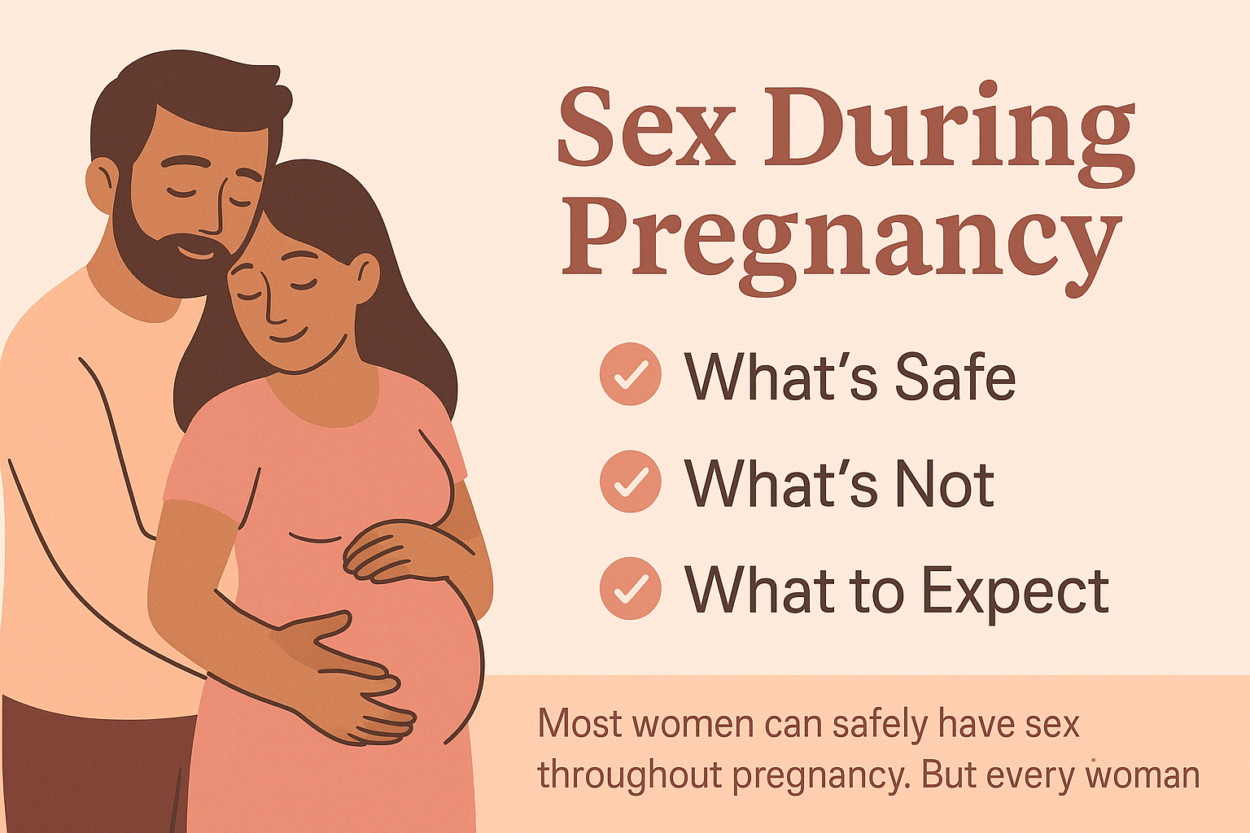
The topic of sex during pregnancy is often shrouded in mystery and misconception, leaving many couples feeling uncertain and anxious about their intimate lives. As we delve into the psychological aspects of this complex issue, it becomes clear that our brains are wired to respond to the changes that pregnancy brings, and that these responses can have a profound impact on our mental well-being and personal growth. Emotional triggers such as fear, anxiety, and insecurity can arise, causing us to question our desirability, attractiveness, and even our identity as a sexual being. As we navigate the ups and downs of pregnancy, it's essential to acknowledge and address these deep-seated emotions, rather than letting them simmer beneath the surface.
In modern times, the conversation around sex during pregnancy has become more open and honest, with many couples seeking guidance and reassurance from healthcare providers, therapists, and online communities. However, despite this increased awareness, many myths and misconceptions persist, leaving couples feeling confused and uncertain about what is safe, what is satisfying, and what is acceptable. As we explore the psychological root of this topic, it becomes clear that our brains are not only responding to the physical changes of pregnancy but also to the cultural and societal norms that surround us. By examining these unconscious biases and challenging our assumptions, we can begin to create a more nuanced and compassionate understanding of sex during pregnancy.
Furthermore, the psychological aspects of sex during pregnancy are deeply intertwined with our self-perception and body image. As our bodies undergo significant changes, we may feel like we're losing our sense of identity and autonomy. Insecurities can arise, causing us to doubt our attractiveness and desirability, leading to a decline in intimacy and connection with our partner. It's essential to recognize that these feelings are normal and that we're not alone in this journey. By acknowledging and working through these emotional triggers, we can cultivate a more positive and empowering relationship with our bodies and our sexuality.
Must Read
Navigating Emotional Landscapes
As we navigate the complex emotional landscapes of sex during pregnancy, it's essential to recognize the hidden emotional triggers that can arise. For many couples, the fear of harming the baby or complicating the pregnancy can be a significant source of anxiety, leading to a decline in intimacy and connection. Additionally, the physical changes that occur during pregnancy, such as weight gain, swelling, and fatigue, can affect our body image and self-perception, causing us to feel less desirable and less confident in our sexuality. By acknowledging and addressing these emotional triggers, we can begin to create a more supportive and nurturing environment for intimacy and connection to flourish.
Moreover, the cognitive biases that surround sex during pregnancy can be powerful and pervasive. Many couples may assume that sex during pregnancy is taboo or forbidden, leading to feelings of guilt and shame. Others may believe that sex during pregnancy is only for procreation, rather than for pleasure and intimacy. By recognizing and challenging these unconscious assumptions, we can begin to create a more nuanced and compassionate understanding of sex during pregnancy, one that prioritizes pleasure, intimacy, and connection.
For example, let's consider the story of Sarah and Mike, a couple who found themselves struggling with intimacy during pregnancy. As Sarah's body underwent significant changes, she began to feel less confident and less desirable, leading to a decline in their sex life. However, by acknowledging and addressing these emotional triggers, they were able to create a more supportive and nurturing environment for intimacy and connection to flourish. They prioritized communication and emotional intimacy, making time for regular date nights and romantic getaways. By doing so, they were able to cultivate a deeper and more meaningful connection, one that transcended the physical changes of pregnancy.
Another common hurdle that couples may face is the lack of communication and emotional intimacy. As pregnancy progresses, couples may find themselves growing apart, rather than closer together. By prioritizing open and honest communication, couples can create a more supportive and nurturing environment for intimacy and connection to flourish. This can involve regular date nights, romantic getaways, and meaningful conversations about desires, needs, and boundaries.

Cultivating Intimacy and Connection
So, how can couples cultivate intimacy and connection during pregnancy? One actionable coping mechanism is to prioritize communication and emotional intimacy. This can involve regular date nights, romantic getaways, and meaningful conversations about desires, needs, and boundaries. By doing so, couples can create a more supportive and nurturing environment for intimacy and connection to flourish. Additionally, practicing self-care and self-compassion can be essential in managing the physical and emotional demands of pregnancy.
Another mindset shift that couples can adopt is to focus on pleasure and enjoyment, rather than performance and achievement. By letting go of unrealistic expectations and societal pressures, couples can create a more relaxed and intimate environment for sex and connection. This can involve exploring new positions, trying new things, and prioritizing mutual pleasure. By doing so, couples can cultivate a deeper and more meaningful connection, one that transcends the physical changes of pregnancy.
Furthermore, seeking support from healthcare providers, therapists, and online communities can be essential in navigating the complex emotional landscapes of sex during pregnancy. By educating ourselves and empowering our partners, we can create a more informed and supportive environment for intimacy and connection to flourish. This can involve attending prenatal classes, joining online forums, and seeking guidance from trusted healthcare providers.
For instance, let's consider the story of Emily and Tom, a couple who found themselves struggling with intimacy during pregnancy. By prioritizing communication and emotional intimacy, they were able to create a more supportive and nurturing environment for intimacy and connection to flourish. They made time for regular date nights, romantic getaways, and meaningful conversations about desires, needs, and boundaries. By doing so, they were able to cultivate a deeper and more meaningful connection, one that transcended the physical changes of pregnancy.
:max_bytes(150000):strip_icc()/gettyimages-539460834-e8e95e7960644c44a3c7f783ef970f42.jpg)
Frequently Asked Questions
Is sex during pregnancy safe for the baby?
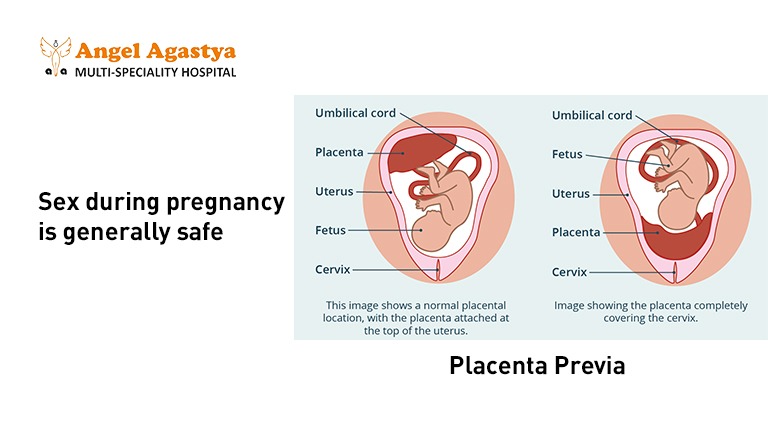
The answer to this question is yes, sex during pregnancy is generally safe for the baby. However, it's essential to consult with your healthcare provider to discuss any specific concerns or risks. In most cases, sex during pregnancy will not harm the baby, and normal precautions can be taken to ensure a safe and healthy pregnancy. By prioritizing communication and open dialogue with your healthcare provider, you can create a more informed and supportive environment for intimacy and connection to flourish.
Moreover, it's essential to recognize that sex during pregnancy can have a positive impact on the baby's development. Oxytocin, often referred to as the "love hormone," is released during sex and can stimulate uterine contractions, which can help to prepare the uterus for labor. By prioritizing intimacy and connection, couples can create a more nurturing and supportive environment for the baby's growth and development.
How can I maintain intimacy and connection with my partner during pregnancy?
Maintaining intimacy and connection with your partner during pregnancy requires effort and commitment. One actionable coping mechanism is to prioritize communication and emotional intimacy. This can involve regular date nights, romantic getaways, and meaningful conversations about desires, needs, and boundaries. By doing so, couples can create a more supportive and nurturing environment for intimacy and connection to flourish.
Furthermore, practicing self-care and self-compassion can be essential in managing the physical and emotional demands of pregnancy. By prioritizing relaxation techniques, such as meditation and yoga, couples can create a more calm and peaceful environment for intimacy and connection to flourish. Additionally, seeking support from healthcare providers, therapists, and online communities can be essential in navigating the complex emotional landscapes of sex during pregnancy.
What are some common myths and misconceptions about sex during pregnancy?
One common myth is that sex during pregnancy is taboo or forbidden. However, this is not true. In most cases, sex during pregnancy is safe and healthy, and normal precautions can be taken to ensure a safe and healthy pregnancy. Another myth is that sex during pregnancy will harm the baby or complicate the pregnancy. However, this is not supported by scientific evidence, and sex during pregnancy will not harm the baby in most cases.
Moreover, it's essential to recognize that sex during pregnancy can be beneficial for the mother and the baby. Oxytocin, often referred to as the "love hormone," is released during sex and can stimulate uterine contractions, which can help to prepare the uterus for labor. By prioritizing intimacy and connection, couples can create a more nurturing and supportive environment for the baby's growth and development.
How can I navigate the physical changes of pregnancy and maintain a healthy sex life?
Navigating the physical changes of pregnancy requires patience and flexibility. One actionable coping mechanism is to communicate openly with your partner about your desires, needs, and boundaries. This can involve exploring new positions, trying new things, and prioritizing mutual pleasure. By doing so, couples can create a more supportive and nurturing environment for intimacy and connection to flourish.
Furthermore, practicing self-care and self-compassion can be essential in managing the physical and emotional demands of pregnancy. By prioritizing relaxation techniques, such as meditation and yoga, couples can create a more calm and peaceful environment for intimacy and connection to flourish. Additionally, seeking support from healthcare providers, therapists, and online communities can be essential in navigating the complex emotional landscapes of sex during pregnancy.

What are some tips for maintaining a healthy and fulfilling sex life after pregnancy?
Maintaining a healthy and fulfilling sex life after pregnancy requires effort and commitment. One actionable coping mechanism is to prioritize communication and emotional intimacy. This can involve regular date nights, romantic getaways, and meaningful conversations about desires, needs, and boundaries. By doing so, couples can create a more supportive and nurturing environment for intimacy and connection to flourish.
Furthermore, practicing self-care and self-compassion can be essential in managing the physical and emotional demands of parenthood. By prioritizing relaxation techniques, such as meditation and yoga, couples can create a more calm and peaceful environment for intimacy and connection to flourish. Additionally, seeking support from healthcare providers, therapists, and online communities can be essential in navigating the complex emotional landscapes of sex after pregnancy.
As we reflect on the journey of sex during pregnancy, it becomes clear that this experience is not just about physical intimacy, but about emotional connection and personal growth. By acknowledging and addressing the hidden emotional triggers and cognitive biases that surround sex during pregnancy, couples can create a more supportive and nurturing environment for intimacy and connection to flourish. This, in turn, can lead to a more fulfilling and satisfying sex life, one that is built on mutual respect, trust, and communication.
In conclusion, mastering the topic of sex during pregnancy is not just about navigating the physical changes of pregnancy, but about cultivating a deeper and more meaningful connection with our partners and ourselves. By embracing the unknown and letting go of fear and anxiety, we can create a more empowering and liberating experience, one that allows us to grow and thrive as individuals and as couples. As we embark on this journey, we can discover new depths of intimacy, connection, and pleasure, and create a more fulfilling and satisfying sex life that brings us joy, happiness, and fulfillment.