What Is A Crna? Role, Responsibilities, And Clinical Scope Of Practice
Robert Wilson
Ever wondered who the magical wizards of slumber are in the operating room? You know, the ones who swoop in and make that big, scary surgery feel like a gentle nap? Well, let me introduce you to your new favorite healthcare superhero: the CRNA!
The Dream Weavers of the OR
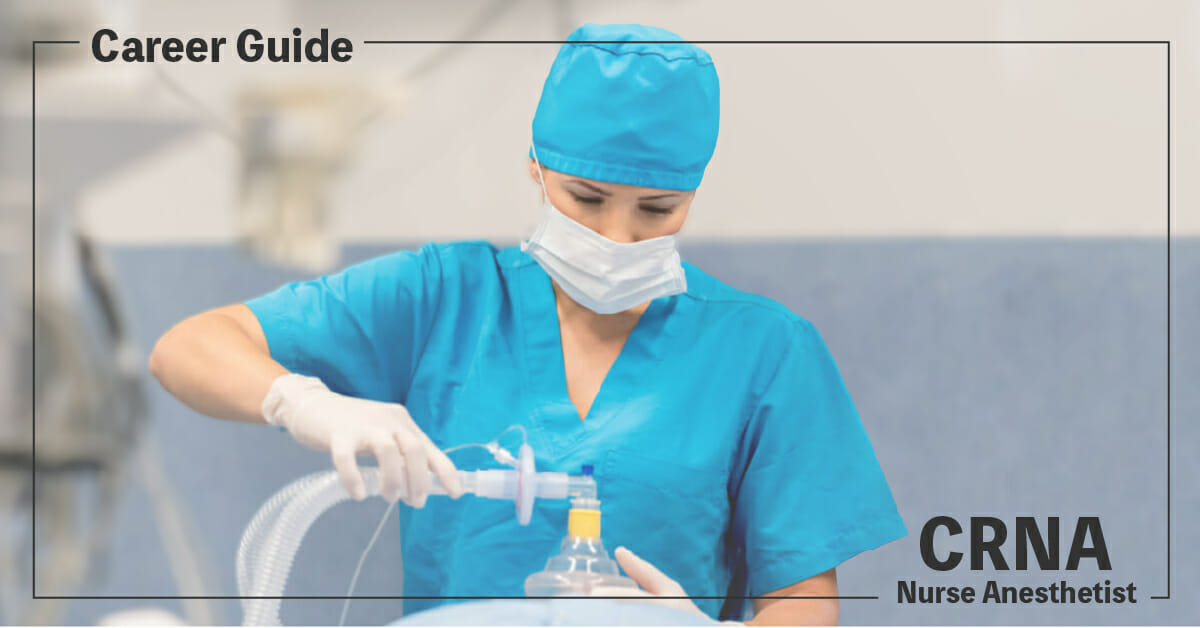
So, what exactly is a CRNA? It stands for Certified Registered Nurse Anesthetist. Don't let the fancy title fool you; these are nurses who have gone above and beyond, earning advanced degrees and super-specialized training to become experts in anesthesia. Think of them as the ultimate sleep consultants, but instead of helping you count sheep, they're guiding you into a perfectly safe, pain-free slumber for medical procedures.
Imagine you're getting ready for a procedure. There's a buzz of activity, lots of serious faces in scrubs, and maybe a little nervous flutter in your stomach. Then, in walks your CRNA. They’re not just there to put you to sleep; they're your personal comfort captain, your guardian of the unconscious, and the maestro of your vital signs while you're off in dreamland.
Their job is a thrilling, high-stakes dance. Primarily, their main gig is administering anesthesia. This isn't just a simple "lights out, please." Oh no. They are the absolute pros at making sure you are completely comfortable, pain-free, and safe from the moment they start their magic until you're waking up gently, feeling like you just had the best nap of your life.
They do this by carefully selecting the right type of anesthesia for your specific procedure and your individual health needs. Are we talking about general anesthesia that puts you in a deep sleep? Or maybe a regional block that numbs just a specific part of your body, like a super-powered localized anesthetic superhero? The CRNA decides, and they're masters at it!
Understanding CRNA Scope of Practice and Pain Management Care
But that's just the appetizer! While you're blissfully unaware, the CRNA is the vigilant guardian of your body's most crucial functions. They are constantly monitoring everything: your breathing, your heart rate, your blood pressure, your oxygen levels – essentially, they are the ultimate pit crew for your entire physiological system. If anything even thinks about deviating from its happy path, the CRNA is right there, making lightning-fast adjustments to keep you on track.
Think of them as the world's most attentive slumber party host, ensuring everyone (in this case, your body) is having a perfectly peaceful and safe time, with no unexpected bumps in the night!
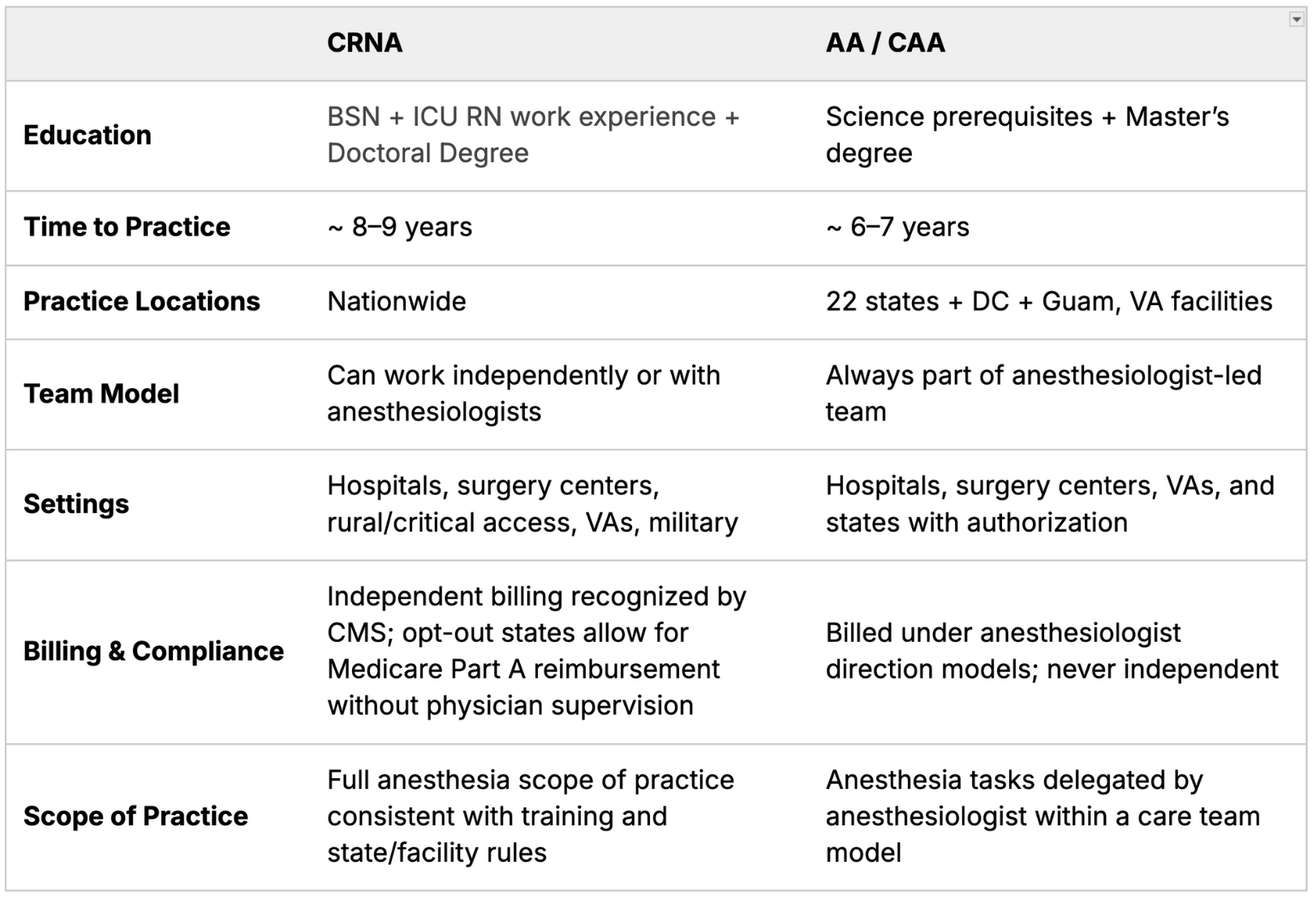
CRNAs and AAs: Two High-Demand Anesthesia Careers | Blog
The "Clinical Scope of Practice" – AKA, Their Superpowers!
Now, let's talk about their superpowers, or as the professionals call it, their clinical scope of practice. This is basically the rulebook of awesome things they are trained and allowed to do. And guess what? It's pretty extensive!
Beyond just administering anesthesia, CRNAs are responsible for a comprehensive pre-anesthesia assessment. This means they chat with you beforehand, asking all the important questions to understand your medical history, allergies, and any concerns you might have. They’re like the ultimate detectives, gathering all the intel to ensure your anesthesia experience is tailored just for you. No cookie-cutter approaches here!
Inside the Role: What It Is a CRNA? - Fort HealthCare
During the procedure, as we’ve mentioned, they are the vigilant monitors. They are the ones making sure your airway is clear, that you're breathing smoothly, and that your vital signs are steady. If you need a little extra help with your breathing, they're the ones managing ventilators or other respiratory support. They are the ultimate air traffic controllers for your lungs!
And the fun doesn't stop there! After the surgery, when you're slowly waking up, the CRNA is still by your side, ensuring a smooth transition back to consciousness. They manage your pain relief, monitor for any post-anesthesia issues, and make sure you're comfortable and ready to start your recovery journey. They are the gentle wake-up call, the pain-relief fairy godmother, all rolled into one!
In some settings, CRNAs can even administer certain medications independently, make critical decisions about your care, and work collaboratively with surgeons and other medical professionals. They are truly integral members of the healthcare team, essential for a smooth and successful surgical experience.
Why They're the Unsung Heroes
It’s easy to forget about the CRNA once the anesthesia takes hold. You’re off in dreamland, after all! But these incredible professionals are working tirelessly behind the scenes, using their vast knowledge and incredible skills to ensure your safety and comfort. They are the silent guardians, the unseen navigators of your surgical journey.
So, the next time you hear about a surgery, or if you ever need one yourself, give a little mental cheer for the CRNAs. They are the masters of making scary medical moments feel safe and sound, turning potentially stressful situations into peaceful journeys. They are, without a doubt, the rockstars of the operating room, ensuring you wake up feeling refreshed, pain-free, and ready to tackle whatever comes next!