What Does It Mean To Be Collared

The concept of being "collared" has taken the internet by storm, with many people wondering what it means and why it's become such a hot topic. In recent years, the term has evolved from its origins in the BDSM community to become a mainstream phenomenon, with influencers and trendsetters showcasing their own experiences with collaring on social media. But what does it really mean to be collared, and why has it become so en vogue?
For the uninitiated, being collared refers to the act of being in a dominant-submissive relationship, where one partner (the dominant) has complete control over the other (the submissive). This can involve a range of activities, from role-playing and power exchange to bondage and discipline. But in today's internet culture, being collared has become more than just a lifestyle choice - it's a status symbol, with many people flaunting their collared status on social media as a way to showcase their edginess and open-mindedness.
So, why has being collared become so popular? One reason is the rise of intimate aesthetics on social media, where people are sharing more and more intimate aspects of their lives online. This has created a culture of voyeurism, where people are obsessed with peeking into the private lives of others - and being collared has become a way to (signal) one's kinkiness and desirability. But beneath the surface of this trend, there are also more complex dynamics at play, including issues of consent, power imbalance, and relationship inequity.
Must Read
The Subcultures Surrounding Being Collared
One of the most fascinating aspects of being collared is the range of subcultures that have sprung up around it. On social media, you'll find communities of people who are deeply invested in the lifestyle, sharing tips and advice on how to navigate dominant-submissive relationships. These communities often have their own lingo and rituals, from collaring ceremonies to slave contracts. But beneath the surface of these communities, there are also tensions and conflicts, particularly around issues of consent and power imbalance.
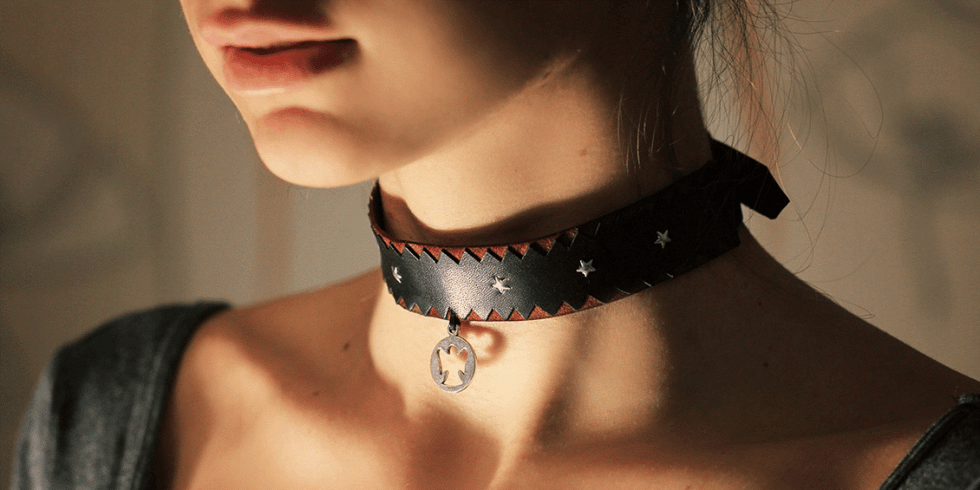
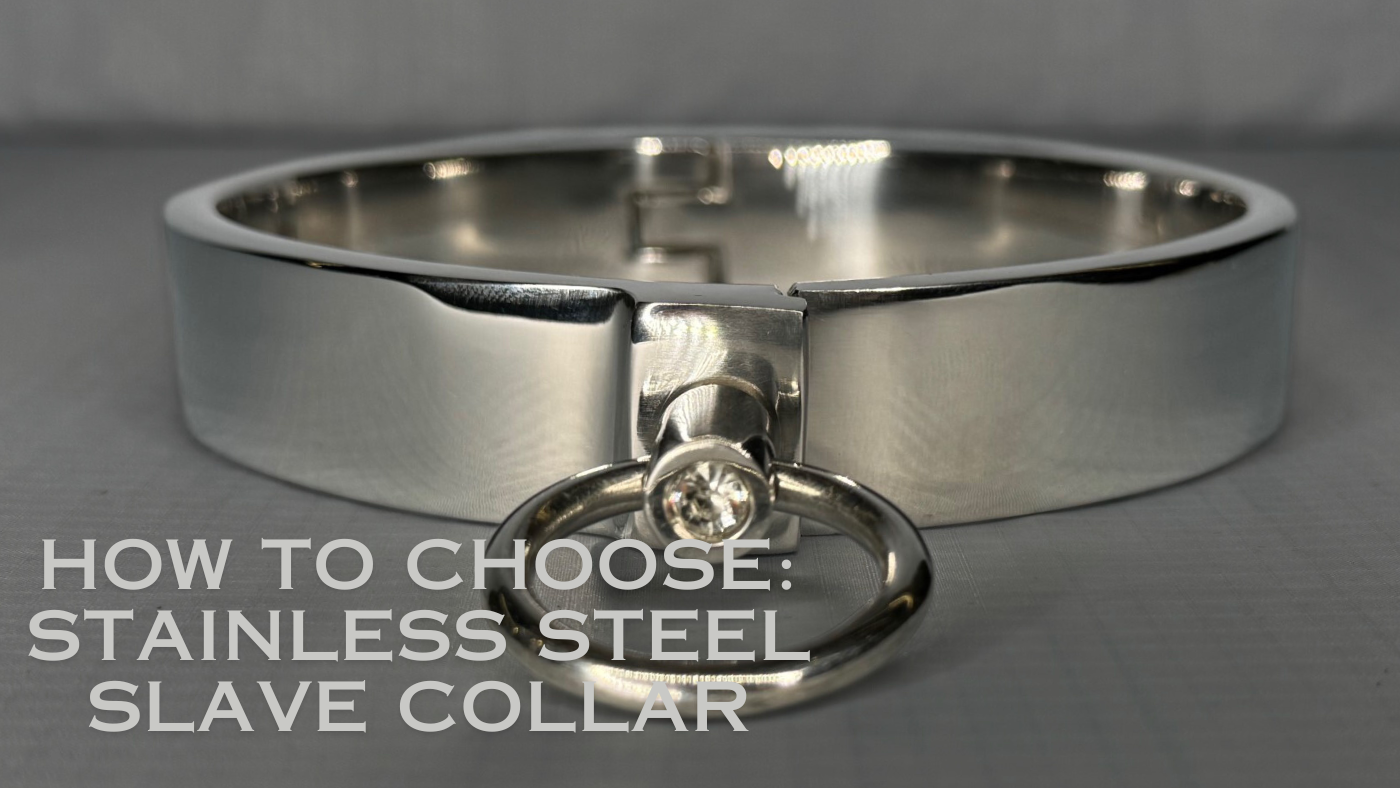
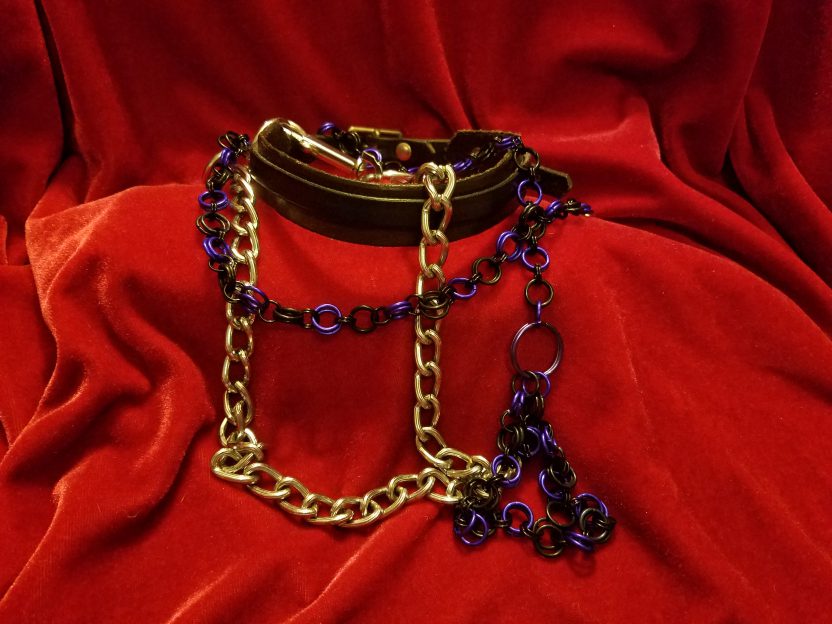
Another aspect of being collared that's gained significant attention is the aesthetic surrounding it. On Instagram and TikTok, you'll find influencers showcasing their collared style, from leather corsets to chain accessories. This has created a market for collared-themed merchandise, from collar-shaped jewelry to customized collaring gear. But this aesthetic has also been criticized for trivializing the complexities of dominant-submissive relationships, reducing them to a style or trend rather than a deeply personal and intimate choice.
Of course, not everyone is a fan of the being collared trend. Some critics argue that it romanticizes abuse and exploitation, perpetuating toxic attitudes towards relationships and intimacy. Others argue that it's simply a passing fad, a flash in the pan that will soon be replaced by the next big thing. But as the trend continues to grow and evolve, it's clear that being collared is more than just a momentary obsession - it's a cultural phenomenon that's here to stay.
As with any trend or subculture, there are also and scammers who seek to exploit the vulnerabilities of those involved. This can include fake dominants who prey on submissives, or scams that promise exclusive access to collared communities or events. But despite these risks, many people find the being collared lifestyle to be liberating and empowering, offering a sense of belonging and connection with like-minded individuals.

Navigating the Being Collared Trend
So, how can you navigate the being collared trend without losing your sanity or wallet? One key piece of advice is to approach with caution, doing your research and educating yourself on the complexities of dominant-submissive relationships. This can involve reading books and articles, attending workshops and events, and joining online communities to connect with others who share your interests.
Another important tip is to communicate openly with your partner, discussing your boundaries and desires in a honest and respectful way. This can involve negotiating a slave contract or collaring agreement, which outlines the terms and conditions of your relationship. It's also essential to establish a safe word or signal, which can be used to halt or modify the activities at any time.
In terms of budgeting for the being collared lifestyle, it's essential to set boundaries and prioritize your spending. This can involve investing in quality merchandise, such as customized collaring gear or high-end bondage equipment. But it's also important to avoid overspending, as the being collared lifestyle can be expensive and materialistic.
Finally, it's essential to be aware of the risk of addiction, as the being collared lifestyle can be intensely alluring and seductive. This can involve monitoring your behavior and emotions, recognizing the signs of addiction and seeking help if needed. By being mindful and intentional, you can navigate the being collared trend in a safe and healthy way.

Frequently Asked Questions
What is the difference between being collared and being in a dominant-submissive relationship?
The terms "being collared" and "being in a dominant-submissive relationship" are often used interchangeably, but they're not exactly the same thing. Being collared refers specifically to the act of wearing a collar or symbol of submission, whereas being in a dominant-submissive relationship involves a broader range of power dynamics and role-playing. In a dominant-submissive relationship, the dominant partner may not necessarily "own" or possess the submissive partner, but rather guide and direct them in a consensual and negotiated way.
That being said, being collared is often a visible sign of a dominant-submissive relationship, and can serve as a symbol of commitment and devotion. In some cases, being collared can also involve a formal ceremony or ritual, where the dominant partner collars the submissive partner in a public or private setting. Ultimately, the distinction between being collared and being in a dominant-submissive relationship depends on the specific context and negotiations of the individuals involved.
Is being collared only for people in the BDSM community?
While being collared has its roots in the BDSM community, it's not exclusively for people who identify as kinky or BDSM enthusiasts. In recent years, the trend has expanded to include people from a range of backgrounds and interests, from vanilla couples to polyamorous individuals. Being collared can be a way for people to express their personality and style, as well as to signal their interests and desires to others.
That being said, being collared is still a niche trend that may not be for everyone. It's essential to approach with caution and respect, recognizing the power dynamics and complexities involved. If you're interested in exploring the being collared lifestyle, it's a good idea to educate yourself and connect with others who share your interests, rather than simply jumping in or following the crowd.

How can I tell if someone is being collared consensually?
Telling whether someone is being collared consensually can be challenging, especially in a public or online setting. However, there are some signs and indicators to look out for. One key thing to watch for is enthusiastic consent, where the person being collared appears excited and engaged in the activity. You can also look for verbal cues, such as the person affirming their consent or negotiating the terms of their collaring.
Another important thing to consider is the power dynamic at play. In a consensual collaring, the dominant partner should be respectful and attentive to the submissive partner's needs and boundaries. You can also look for nonverbal cues, such as the person being collared appearing relaxed and comfortable in their role. Ultimately, the key to determining whether someone is being collared consensually is to pay attention to the context and dynamics at play.
Can being collared be a form of self-care and empowerment?
While being collared is often associated with submissiveness and power imbalance, it can also be a form of self-care and empowerment for some individuals. By embracing their desires and needs, people can find a sense of liberation and freedom in the being collared lifestyle. This can involve exploring new aspects of themselves, challenging their limits, and connecting with others who share their interests.
That being said, being collared is not inherently empowering, and can also involve risk and vulnerability. It's essential to approach with caution and self-awareness, recognizing the power dynamics and complexities involved. By being mindful and intentional, you can harness the potential of being collared as a form of self-care and empowerment, while also protecting yourself and respecting the boundaries of others.
How can I get involved in the being collared community?
Getting involved in the being collared community can be exciting and rewarding, but it's essential to approach with respect and caution. One key thing to do is educate yourself on the basics of being collared, including the history, terminology, and culture surrounding the lifestyle. You can also connect with others who share your interests, whether through online forums, social media groups, or in-person events.
Another important thing to consider is finding a mentor or guide who can help you navigate the being collared community. This can be a seasoned veteran of the lifestyle, or simply someone who is knowledgeable and experienced. By learning from others and respecting the boundaries and traditions of the community, you can get involved in the being collared lifestyle in a safe and healthy way.
As the being collared trend continues to grow and evolve, it's clear that it's more than just a passing fad - it's a cultural phenomenon that's here to stay. But whether it's a permanent change in our modern lifestyle, or simply a momentary obsession, remains to be seen. One thing is certain, however: being collared has opened up new possibilities for intimacy, connection, and self-expression, and will likely continue to inspire and empower people for years to come.
In the end, the being collared lifestyle is all about exploration, discovery, and connection. By being open-minded, curious, and respectful, we can harness the potential of this trend to enrich our lives and deepen our relationships. So whether you're a seasoned veteran of the being collared lifestyle, or simply a curious newcomer, there's never been a better time to explore this fascinating and complex world.