Unlocking The Art Of Sensual Pleasure And Connection With Your Partner

The art of sensual pleasure and connection with your partner is a timeless and universal aspect of human experience. It's a profound and intimate expression of love, trust, and vulnerability. Throughout history, cultures have approached this topic with a mix of fascination, reverence, and taboo. From the ancient Indian Kama Sutra to modern-day tantric practices, the pursuit of sensual pleasure has been a driving force behind human connection and intimacy.
In today's world, the importance of sensual pleasure and connection cannot be overstated. With the rise of social media and the increasing demands of modern life, it's easy to get disconnected from our partners and ourselves. However, by prioritizing sensual pleasure and intimacy, we can reignite the spark in our relationships, foster deeper emotional connections, and cultivate a more profound sense of self-awareness and self-love. As the renowned sexologist and relationship coach, Esther Perel, once said, "The quality of our relationships determines the quality of our lives."
Despite its significance, the topic of sensual pleasure and connection remains shrouded in mystery and misconception. Many of us struggle to articulate our desires, boundaries, and needs, leading to feelings of shame, guilt, and anxiety. By exploring the complexities and nuances of sensual pleasure, we can break down these barriers, challenge societal norms, and unlock a more authentic, empowered, and fulfilling expression of our sexuality and relationships.
Must Read
The History and Cultural Significance of Sensual Pleasure
The history of sensual pleasure is a rich tapestry of cultural, philosophical, and spiritual influences. From the erotic artworks of ancient Greece to the tantric rituals of medieval India, the pursuit of sensual pleasure has been a recurring theme in human civilization. In many indigenous cultures, sensual pleasure is still considered a sacred and integral part of spiritual practice, community bonding, and personal growth.
In modern Western societies, however, the topic of sensual pleasure is often relegated to the realm of taboo and stigma. The Victorian era, with its strict social norms and puritanical values, exemplifies this tendency. Yet, as we navigate the complexities of consent, communication, and boundaries in our relationships, it's essential to reclaim and redefine the narrative around sensual pleasure, recognizing its potential for healing, growth, and transformation.
One of the most significant cultural references to sensual pleasure can be found in the literary and artistic works of the Romantic and Surrealist movements. From the poetic verses of Pablo Neruda to the surreal paintings of Salvador Dali, these artists and writers have long celebrated the beauty, mystery, and power of sensual pleasure. By embracing this cultural heritage, we can tap into the collective unconscious, unleashing our creative potential and deepening our connection to ourselves, our partners, and the world around us.
The media and popular culture also play a significant role in shaping our perceptions of sensual pleasure. From the erotica of Fifty Shades of Grey to the music videos of Beyoncé, sensual pleasure is often portrayed as a commodity or a spectacle. However, by critically examining these representations, we can begin to deconstruct the power dynamics, social norms, and cultural expectations that underlie our understanding of sensual pleasure, ultimately reclaiming its true meaning and significance in our lives.

Exploring the Psychological and Emotional Aspects of Sensual Pleasure
The psychology of sensual pleasure is a complex and multifaceted field, encompassing biology, neurology, and psychodynamics. At its core, sensual pleasure is closely tied to the brain's reward system, releasing dopamine and endorphins that stimulate feelings of pleasure and relaxation. However, this physiological response is deeply influenced by our emotional state, relationship dynamics, and personal experiences.
One of the most critical aspects of sensual pleasure is communication. By openly discussing our desires, boundaries, and needs with our partners, we can create a safe, trusting, and consensual environment for exploration and connection. This communication is not limited to verbal expression but also encompasses non-verbal cues, such as body language and eye contact. By tuning into these subtle signals, we can navigate the intricacies of sensual pleasure with greater sensitivity, awareness, and empathy.
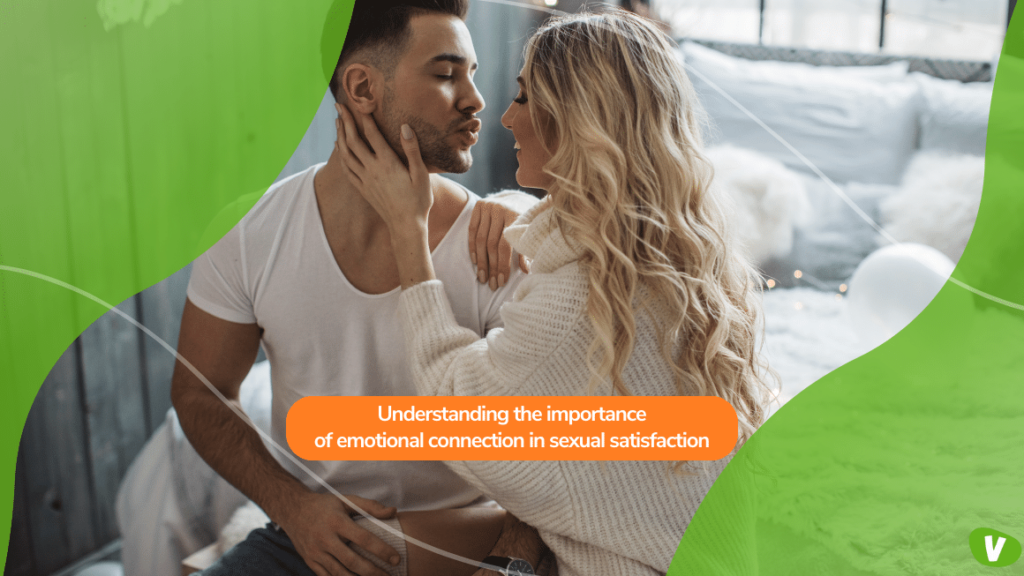
The emotional aspect of sensual pleasure is equally crucial, as it speaks to our deepest desires, fears, and vulnerabilities. By acknowledging and embracing these emotions, we can transcend the boundaries of shame and guilt, unlocking a more authentic and empowered expression of our sexuality. This, in turn, can have a profound impact on our self-esteem, confidence, and overall well-being, as we learn to prioritize our own needs, desires, and pleasure.
Sensual pleasure is also closely tied to our attachment styles and relationship patterns. By recognizing and challenging these unconscious dynamics, we can break free from toxic or unfulfilling relationships, cultivating healthier, more nourishing connections with ourselves and others. This process of self-reflection and growth can be both challenging and liberating, as we confront our deepest fears and desires, emerging stronger, wiser, and more compassionate.
Practical Insights and Scenarios for Deepening Sensual Pleasure and Connection
So, how can we begin to deepen our sensual pleasure and connection with our partners? One of the most effective strategies is to slow down and presence ourselves in the moment. By letting go of distractions and expectations, we can tune into our senses and emotions, exploring the intricacies of sensual pleasure with greater awareness and sensitivity.
Another key approach is to communicate openly and honestly with our partners, sharing our desires, boundaries, and needs. This communication can take many forms, from verbal discussions to non-verbal cues, and is essential for creating a safe, trusting, and consensual environment for exploration and connection.
Additionally, we can explore various practices and techniques to enhance our sensual pleasure, such as mindfulness, meditation, and breathwork. These practices can help us cultivate greater body awareness, emotional regulation, and presence, allowing us to tap into the deeper currents of sensual pleasure and connection.
Finally, it's essential to recognize that sensual pleasure is not limited to romantic relationships but can be a deeply personal and transcendent experience. By embracing our own sexuality and desires, we can cultivate a more profound sense of self-love and self-acceptance, radiating confidence, joy, and fulfillment into all aspects of our lives.

Frequently Asked Questions
What is the relationship between sensual pleasure and emotional intimacy?
The relationship between sensual pleasure and emotional intimacy is deeply intertwined. As we cultivate greater emotional intimacy with our partners, we can create a safer, more trusting environment for exploring sensual pleasure. This, in turn, can deepen our emotional connection, fostering a sense of unity and togetherness. By acknowledging and embracing our emotions, we can transcend the boundaries of shame and guilt, unlocking a more authentic and empowered expression of our sexuality.
Furthermore, emotional intimacy is essential for navigating the complexities of sensual pleasure, as it allows us to communicate our desires, boundaries, and needs with greater clarity and sensitivity. By prioritizing emotional intimacy, we can create a more nourishing and fulfilling connection with our partners, one that honors the depths of our humanity and the richness of our emotions.
How can I overcome feelings of shame or guilt related to sensual pleasure?
Overcoming feelings of shame or guilt related to sensual pleasure requires a deep process of self-reflection and growth. By acknowledging and challenging these emotions, we can begin to reframe our understanding of sensual pleasure, recognizing its potential for healing, growth, and transformation. This process can be facilitated through therapy, self-care, and education, as we learn to prioritize our own needs, desires, and pleasure.
Additionally, it's essential to recognize that shame and guilt are often societal constructs, perpetuated by cultural norms and expectations. By questioning and challenging these norms, we can begin to reclaim our own agency and autonomy, unlocking a more authentic and empowered expression of our sexuality. This, in turn, can have a profound impact on our self-esteem, confidence, and overall well-being, as we learn to prioritize our own needs, desires, and pleasure.
What role does consent play in sensual pleasure and connection?
Consent is a fundamental aspect of sensual pleasure and connection, as it ensures that all parties involved are willing, informed, and enthusiastic participants. By prioritizing consent, we can create a safe, trusting, and respectful environment for exploration and connection, one that honors the boundaries and autonomy of all individuals involved.
Furthermore, consent is not a one-time event but an ongoing process of communication and mutual agreement. By continually checking in with our partners and ourselves, we can ensure that our needs, desires, and boundaries are respected and prioritized, fostering a deeper sense of trust, intimacy, and connection. This, in turn, can have a profound impact on our relationships, self-esteem, and overall well-being, as we learn to prioritize consent, communication, and mutual respect in all aspects of our lives.
As we reflect on the art of sensual pleasure and connection, we begin to realize its profound impact on our daily lives and human nature. By embracing our own sexuality and desires, we can cultivate a more profound sense of self-love and self-acceptance, radiating confidence, joy, and fulfillment into all aspects of our lives. This, in turn, can have a ripple effect on our relationships, communities, and society as a whole, fostering a more compassionate, inclusive, and empowered world.
The pursuit of sensual pleasure and connection is a lifelong journey, one that requires patience, curiosity, and openness. By embracing this journey, we can tap into the deeper currents of our humanity, unlocking a more authentic, empowered, and fulfilling expression of our sexuality and relationships. As we navigate the complexities and nuances of sensual pleasure, we can begin to recognize its potential for healing, growth, and transformation, ultimately becoming more whole, integrated, and alive.
In the end, the art of sensual pleasure and connection is a celebration of our shared humanity, a testament to the power of love, intimacy, and connection to transform and uplift us. By embracing this art, we can create a more beautiful, meaningful, and fulfilling life, one that honors the depths of our emotions, the richness of our experiences, and the complexity of our desires. As we embark on this journey, we can trust that the rewards will be plentiful, the growth will be profound, and the connection will be deeply, intimately, and forever ours.