Unleashing The Power Of Praise Kink In Everyday Life And Intimacy

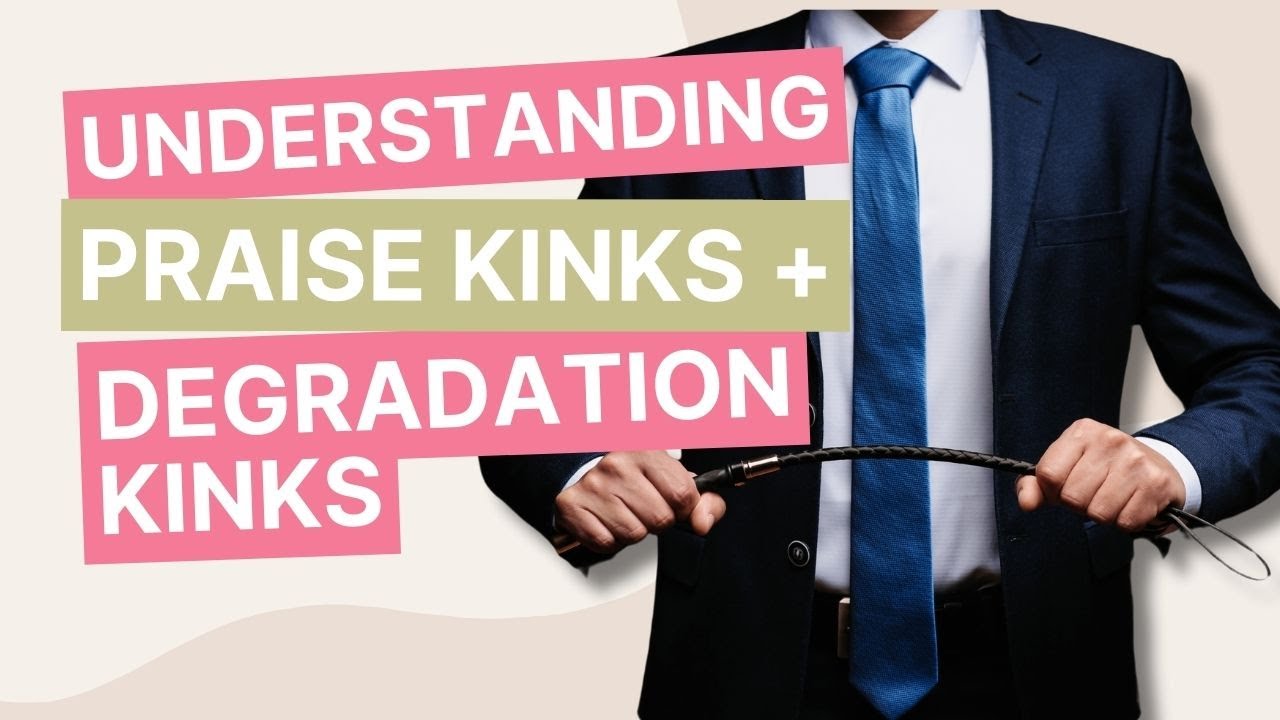
The human mind is a complex and fascinating entity, capable of experiencing a wide range of emotions and desires. One such desire is the need for praise and recognition, which can be a powerful force in shaping our behavior and interactions with others. This desire for praise can manifest in various ways, including in our intimate relationships, where it can take on a unique form known as praise kink. Praise kink refers to the thrill and excitement that comes from receiving verbal affirmation and admiration from a partner, and it can be a potent catalyst for emotional connection and intimacy.
But why do our brains react so strongly to praise and recognition? One reason is that it triggers the release of dopamine, a neurotransmitter associated with pleasure, reward, and motivation. When we receive praise, our brains receive a shot of dopamine, which can create a feeling of euphoria and satisfaction. This can lead to a desire for more praise, creating a cycle of craving and seeking out positive feedback. Moreover, praise can also tap into our deep-seated need for validations and acceptance, which can be a powerful emotional trigger.
In today's fast-paced, often critical world, the need for praise and recognition can be more pressing than ever. With the rise of social media, we are constantly bombarded with curated and manipulated images of perfection, making it easy to feel inadequate and insecure. Praise kink can offer a welcome respite from this barrage of negativity, providing a safe space for us to receive genuine and meaningful feedback. By embracing our desire for praise, we can cultivate a more positive and supportive environment, both in our personal relationships and in our broader social interactions.
Must Read
Uncovering the Hidden Emotional Triggers
One of the key aspects of praise kink is its ability to tap into our deep-seated emotional needs. For many people, the desire for praise is closely tied to feelings of self-worth and self-esteem. When we receive praise, it can boost our confidence and make us feel more valued and appreciated. However, this can also create a sense of dependency, where we become overly reliant on external validation to feel good about ourselves. This can lead to anxiety and stress when we don't receive the praise we crave, highlighting the need for a balanced and healthy approach to praise kink.
A common cognitive bias associated with praise kink is the fundamental attribution error, where we overestimate the role of personality and underestimate the impact of situation. For example, if our partner praises us for our appearance, we may attribute this to our inherent worth, rather than recognizing the role of external factors such as lighting, makeup, or clothing. By recognizing this bias, we can develop a more nuanced understanding of praise and its effects on our mental well-being.
Another emotional trigger associated with praise kink is the fear of vulnerability. Receiving praise can make us feel exposed and vulnerable, as we open ourselves up to the possibility of criticism or rejection. This fear can lead to defensiveness and resistance to praise, causing us to push away or diminish the positive feedback we receive. By acknowledging and working through this fear, we can develop a greater sense of trust and intimacy with our partners.
Moreover, praise kink can also be influenced by our attachment style, with those who have an anxious-preoccupied attachment style being more prone to seeking constant praise and reassurance. This can create a sense of neediness and dependence in relationships, highlighting the importance of developing a secure and healthy attachment style. By recognizing our attachment patterns and working to develop a more secure sense of self, we can cultivate a more balanced and fulfilling approach to praise kink.
Cultivating a Healthy Praise Kink
So, how can we cultivate a healthy and balanced approach to praise kink? One key strategy is to practice self-reflection and self-awareness, recognizing our underlying emotional needs and desires. By developing a greater understanding of ourselves, we can better navigate the complexities of praise kink and develop a more secure sense of self. This can involve journalling, meditation, or therapy, all of which can help us tune into our thoughts, feelings, and desires.
Another important aspect of healthy praise kink is communication and boundary-setting. By openly discussing our needs and desires with our partners, we can create a safe and supportive environment for praise and feedback. This can involve setting clear boundaries around what types of praise are comfortable and desirable, as well as establishing a mutual understanding of each other's emotional needs.
In addition to communication and self-reflection, mindfulness and presence can also play a key role in cultivating a healthy praise kink. By being fully present in the moment, we can appreciate the praise and feedback we receive, without becoming overly attached or dependent on it. This can involve practicing gratitude and appreciation, focusing on the positive aspects of our relationships and interactions.
Furthermore, self-care and self-compassion are essential for maintaining a healthy approach to praise kink. By prioritizing our own needs and well-being, we can develop a sense of self-worth and self-esteem that is not dependent on external validation. This can involve engaging in activities that bring us joy and fulfillment, such as hobbies, exercise, or creative pursuits.

Frequently Asked Questions
What is the difference between praise kink and narcissism?
While both praise kink and narcissism involve a desire for praise and admiration, there are key differences between the two. Narcissism is characterized by a grandiose sense of self-importance, a need for constant admiration, and a lack of empathy for others. In contrast, praise kink is a more nuanced and multifaceted phenomenon, involving a desire for praise and recognition that is not necessarily driven by a need for self-aggrandizement. By recognizing these differences, we can develop a more informed understanding of praise kink and its role in our lives.
In fact, praise kink can be a healthy and positive force in our relationships, as long as it is balanced with self-awareness, empathy, and a willingness to listen and learn. By acknowledging the complexities of praise kink, we can cultivate a more nuanced and compassionate approach to our desires and needs. This can involve recognizing the ways in which praise kink can be both a source of joy and a potential pitfall, and working to develop a more secure and balanced sense of self.
How can I communicate my praise kink to my partner?
Communicating our praise kink to our partner can be a challenging but ultimately rewarding experience. One key strategy is to start with self-reflection, recognizing our underlying emotional needs and desires. By developing a greater understanding of ourselves, we can better articulate our needs to our partner. This can involve journalling, meditation, or therapy, all of which can help us tune into our thoughts, feelings, and desires.
Once we have a clearer sense of our own needs and desires, we can openly discuss our praise kink with our partner. This can involve using "I" statements, such as "I feel happy and appreciated when you praise me," rather than "you never praise me enough." By framing our needs in a non-judgmental and non-accusatory way, we can create a safe and supportive environment for communication and feedback.

Can praise kink be a source of anxiety or stress?
While praise kink can be a source of joy and excitement, it can also be a source of anxiety or stress for some individuals. This can be particularly true for those who have a fear of vulnerability or a need for control. When we receive praise, it can make us feel exposed and vulnerable, as we open ourselves up to the possibility of criticism or rejection. This fear can lead to defensiveness and resistance to praise, causing us to push away or diminish the positive feedback we receive.
However, by acknowledging and working through these fears, we can develop a greater sense of trust and intimacy with our partners. This can involve practicing self-compassion and self-awareness, recognizing our underlying emotional needs and desires. By developing a more secure and balanced sense of self, we can cultivate a more positive and supportive approach to praise kink, one that is not driven by anxiety or stress.
How can I balance my praise kink with a healthy sense of self-worth?
One of the key challenges of praise kink is balancing our desire for praise with a healthy sense of self-worth. When we become too dependent on external validation, we can lose sight of our own intrinsic value and worth. To avoid this, it's essential to practice self-reflection and self-awareness, recognizing our underlying emotional needs and desires. By developing a greater understanding of ourselves, we can better navigate the complexities of praise kink and develop a more secure sense of self.
This can involve setting boundaries around our praise kink, recognizing what types of praise are healthy and desirable, and what types may be unhealthy or toxic. By prioritizing our own needs and well-being, we can develop a sense of self-worth that is not dependent on external validation. This can involve engaging in activities that bring us joy and fulfillment, such as hobbies, exercise, or creative pursuits.

Can praise kink be a part of a healthy and fulfilling relationship?
Absolutely, praise kink can be a healthy and fulfilling part of a relationship, as long as it is balanced with mutual respect, trust, and communication. When both partners feel seen, heard, and appreciated, they can cultivate a deeper sense of intimacy and connection. Praise kink can be a powerful way to build trust and strengthen our bond with our partner, as long as it is not used as a means of manipulation or control.
In fact, praise kink can be a key aspect of a healthy attachment style, one that is characterized by mutual respect, trust, and open communication. By recognizing and valuing each other's needs and desires, we can create a safe and supportive environment for praise and feedback. This can involve practicing empathy and active listening, recognizing our partner's emotional needs and desires, and responding in a compassionate and supportive way.
As we reflect on the power of praise kink in our lives, it's clear that this phenomenon is complex and multifaceted. By acknowledging the emotional triggers and cognitive biases that underlie our desire for praise, we can develop a more nuanced and compassionate approach to our needs and desires. Whether in our intimate relationships or in our broader social interactions, praise kink has the potential to bring us joy, connection, and a deeper sense of fulfillment.
Ultimately, mastering the art of praise kink is about cultivating a deeper understanding of ourselves and our emotional needs. By recognizing the ways in which praise can both inspire and intimidate us, we can develop a more balanced and healthy approach to this complex and multifaceted phenomenon. As we embark on this journey of self-discovery and growth, we may find that praise kink becomes a powerful catalyst for personal transformation and development, one that brings us closer to ourselves, our partners, and our deepest desires.


:quality(85):upscale()/2024/09/25/958/n/3019466/7f5cdf9266f48807e80d90.59782758_.jpg)