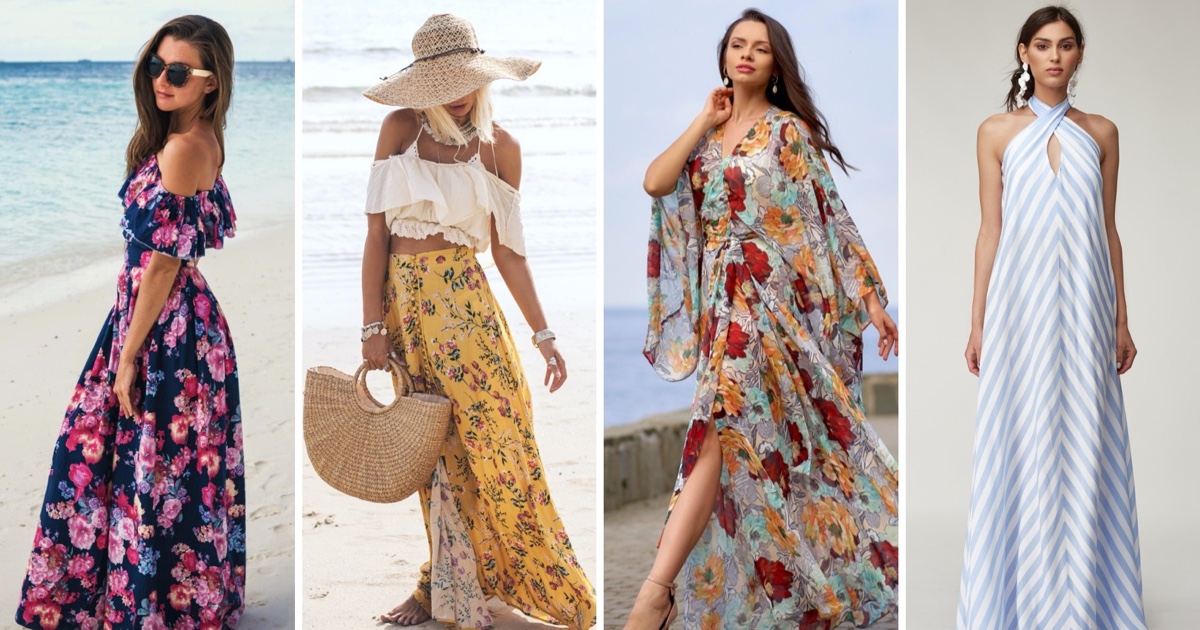
Trendy And Chic Outfits To Wear To Beach This Season

The concept of trendy and chic outfits to wear to the beach this season may seem superficial at first glance, but it is deeply rooted in the physics of comfort and the biology of thermal regulation. When we consider the beach as a unique environment with its own set of challenges, including high temperatures, humidity, and exposure to the sun, it becomes clear that our clothing choices are not just about aesthetics, but also about optimizing our physiological responses to these environmental stressors. For instance, light-colored clothing can help reflect sunlight and reduce heat absorption, while loose-fitting garments can enhance convective cooling and improve airflow.
From a biological perspective, our skin plays a crucial role in regulating body temperature, and our clothing choices can either hinder or facilitate this process. Sweat evaporation is a key mechanism for cooling down, and breathable fabrics can help enhance this process by allowing moisture to escape. Furthermore, UPF protection is essential for preventing UV radiation damage to our skin, and coverage is critical for protecting vulnerable areas such as the shoulders and neck. By understanding these basic physiological principles, we can begin to assemble outfits that not only make us look and feel good but also optimize our comfort and well-being in the beach environment.
The science of everyday life is full of life hacks and optimization strategies that can be applied to our daily choices, including what we wear to the beach. By recognizing the interplay between our clothing, environment, and biology, we can make informed decisions that enhance our overall experience. For example, wearing a hat can help reduce heat gain through the scalp, while sunglasses can protect our eyes from UV radiation. These small, seemingly insignificant choices can add up to make a big difference in our comfort and enjoyment of the beach.
Must Read
Understanding the Biology of Beachwear
Delving deeper into the biology of thermal regulation, it becomes clear that our clothing choices play a crucial role in modulating our body temperature. Heat stress can occur when our body temperature exceeds 40°C (104°F), and heat exhaustion can set in if our body temperature reaches 41°C (106°F). By wearing lightweight, light-colored clothing, we can help reduce heat gain and enhance convective cooling. Additionally, moisture-wicking fabrics can help draw sweat away from the skin, reducing the risk of heat-related illnesses.
The chemistry of fabrics also plays a critical role in our comfort and well-being at the beach. Synthetic fibers such as polyester and nylon can retain heat and reduce breathability, while natural fibers such as cotton and linen can enhance moisture transfer and reduce sweat buildup. Furthermore, treatment technologies such as UPF coatings and moisture-wicking finishes can provide an extra layer of protection and comfort.
From a systemic perspective, our clothing choices can also impact our circulatory system and cardiovascular health. Tight clothing can restrict blood flow and reduce oxygen delivery to the skin, while loose-fitting garments can enhance blood flow and reduce blood pressure. By recognizing these complex interactions between our clothing and biology, we can make informed choices that optimize our overall health and well-being.

The psychology of fashion also plays a significant role in our beachwear choices, with self-expression and confidence being critical factors in our overall well-being. By wearing clothing that makes us feel good, we can boost our mood and enhance our self-esteem. Furthermore, social norms and cultural expectations can also influence our clothing choices, with trendy and chic outfits being a key factor in our social interactions and relationships.
Mastering the Art of Beachwear
To optimize our beachwear choices, it is essential to understand our personal style and preference. By recognizing our body type and skin tone, we can make informed choices that flatter our figure and enhance our complexion. For example, petite individuals may benefit from vertical stripes and /streamlined silhouettes, while taller individuals may prefer horizontal stripes and loose-fitting garments.
A practical approach to beachwear involves layering and mixing-and-matching different pieces to create a versatile wardrobe. By investing in high-quality, versatile pieces such as a classic swimsuit and a lightweight cover-up, we can create a core wardrobe that can be easily mixed-and-matched to suit different occasions and activities. Additionally, accessorizing with sunglasses, hats, and beach bags can add a pop of color and personality to our outfits.

From a practical perspective, it is also essential to consider the logistics of beachwear, including packing and storage. By rolling our clothing and using packing cubes, we can reduce wrinkles and save space in our luggage. Additionally, quick-drying fabrics and wrinkle-resistant materials can help reduce the need for ironing and steaming.
A data-driven approach to beachwear involves tracking our activities and monitoring our comfort levels. By using wearable technology such as fitness trackers and smart clothing, we can gather valuable insights into our physical activity and biological responses. This data can then be used to optimize our beachwear choices and improve our overall experience.
Frequently Asked Questions
What is the best fabric for beachwear?
The best fabric for beachwear depends on various factors, including personal preference, activity level, and environmental conditions. However, natural fibers such as cotton, linen, and bamboo are generally considered to be breathable and moisture-wicking, making them ideal for beachwear. Additionally, synthetic fibers such as polyester and nylon can provide quick-drying and wrinkle-resistant properties, but may retain heat and reduce breathability.
From a scientific perspective, the chemistry of fabrics plays a critical role in determining their performance and comfort. Treatment technologies such as UPF coatings and moisture-wicking finishes can provide an extra layer of protection and comfort. Furthermore, fiber blends can offer a balance of properties, including breathability, moisture-wicking, and quick-drying. By understanding the science behind fabrics, we can make informed choices that optimize our comfort and performance at the beach.
How can I protect my skin from the sun while at the beach?
Protecting our skin from the sun is critical while at the beach, as UV radiation can cause sunburn, premature aging, and even skin cancer. To protect our skin, it is essential to seek shade and wear protective clothing, including hats, sunglasses, and long-sleeved shirts. Additionally, broad-spectrum sunscreen with a high SPF can provide extra protection against UV radiation.
From a biological perspective, our skin plays a critical role in regulating our body temperature and protecting us from environmental stressors. Sunscreen can help prevent UV radiation damage to our skin, while protective clothing can provide an extra layer of defense. Furthermore, seeking shade and staying hydrated can help reduce our risk of heat-related illnesses. By understanding the biology of skin protection, we can make informed choices that optimize our comfort and well-being at the beach.
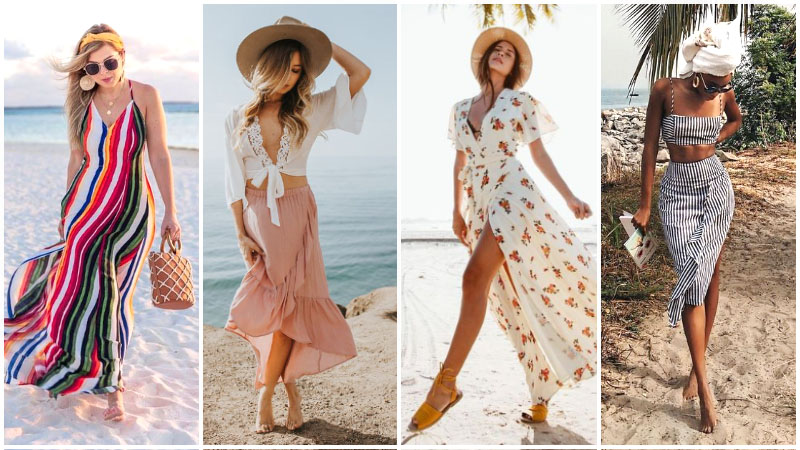
What are some trendy and chic outfits to wear to the beach this season?
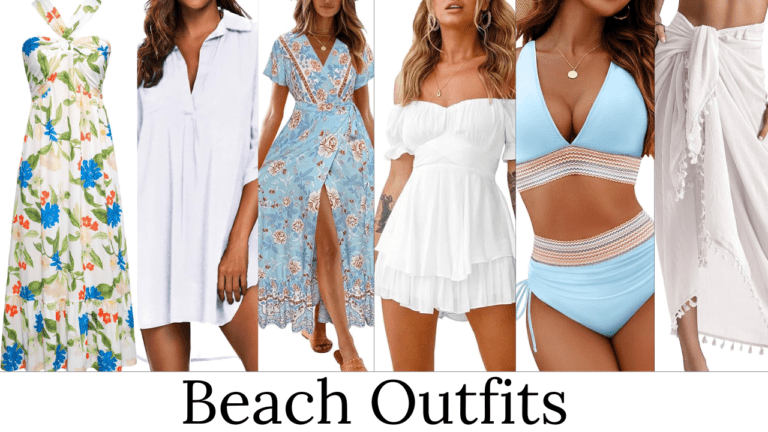
This season's trendy and chic outfits to wear to the beach include bold and bright colors, statement accessories, and relaxed, effortless silhouettes. For example, a classic swimsuit paired with a flowy cover-up and sunglasses can create a timeless and chic look. Additionally, beachy keen pieces such as seashell necklaces and woven straw hats can add a pop of personality to our outfits.
From a style perspective, it is essential to experiment with different looks and find what works best for our body type and personal style. By mixing-and-matching different pieces and accessorizing with hats, sunglasses, and beach bags, we can create a unique and stylish look that reflects our personality and confidence. Furthermore, trendy and chic outfits can be both practical and comfortable, making them ideal for a day at the beach.
Ultimately, respecting the science behind beachwear makes us better, more efficient humans. By optimizing our clothing choices and enhancing our comfort and performance, we can reduce our risk of heat-related illnesses, prevent sun damage, and improve our overall well-being. Whether we are sun-worshippers or beach bums, our clothing choices can have a significant impact on our experience and enjoyment of the beach. By embracing the science behind beachwear, we can take control of our comfort and well-being and make the most of our time at the beach.