The Circumcision Conundrum Uncovering The Pros And Cons Of Circumcised Vs Uncircumcised

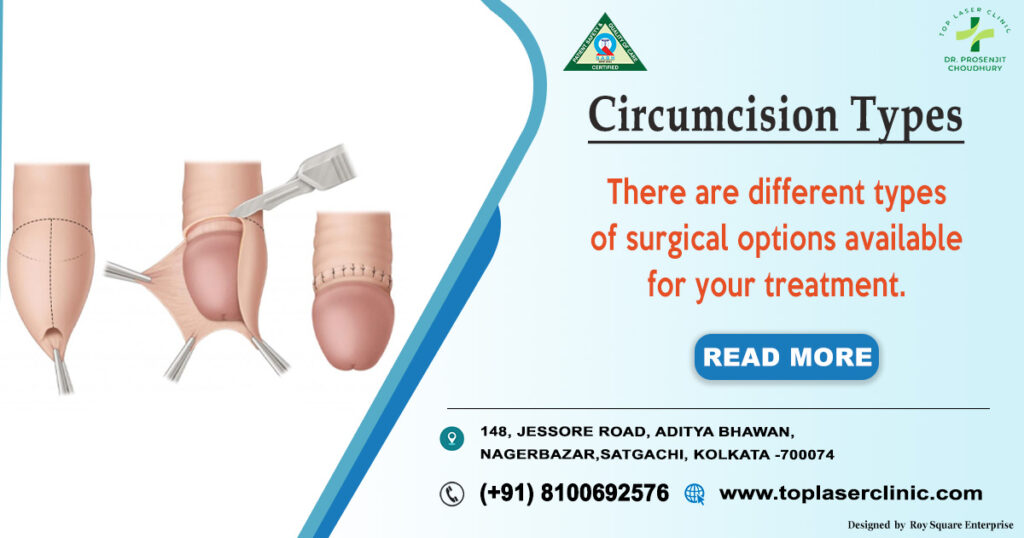
The debate surrounding circumcision has been a longstanding one, with proponents on both sides presenting compelling arguments. At its core, circumcision is a surgical procedure that involves the removal of the foreskin from the human penis. This practice has been performed for thousands of years, with its origins dating back to ancient civilizations in Africa, Asia, and the Middle East. Initially, it was performed for religious and cultural reasons, but over time, its purposes have expanded to include health and hygiene considerations.
One of the primary reasons circumcision has become such a contentious issue is the plethora of pros and cons associated with it. On one hand, circumcision has been linked to various health benefits, including a reduced risk of urinary tract infections and certain types of cancer. On the other hand, opponents argue that it is a barbaric practice that can lead to complications, such as infection, bleeding, and scarring. Furthermore, the procedure has been criticized for being a form of genital mutilation, sparking heated debates about human rights and bodily autonomy.
Despite the controversy, circumcision remains a widely practiced procedure worldwide. In the United States alone, it is estimated that over 70% of males are circumcised. This statistic is noteworthy, considering the country's diverse population and the varying attitudes towards the practice. As we delve deeper into the circumcision conundrum, it becomes apparent that this issue is not merely a matter of medical opinion, but also a complex web of cultural, social, and historical factors. By examining these aspects, we can gain a better understanding of the context surrounding this debate and the implications it has on our daily lives.
Must Read
Unraveling the Mysteries of Circumcision
As we explore the lesser-known facts surrounding circumcision, it becomes clear that this practice is shrouded in mystery and misconception. For instance, many people believe that circumcision is a pain-free procedure, when in fact, it can be a traumatic experience for some individuals. Moreover, the notion that circumcised males are less sensitive than their uncircumcised counterparts has been debunked by various studies, which suggest that sensitivity is not directly related to the presence or absence of the foreskin.
One of the most intriguing aspects of circumcision is its cultural significance. In some societies, it is considered a rite of passage, marking a boy's transition to manhood. In other cultures, it is viewed as a religious obligation, with the procedure being performed as a way of adhering to traditional practices. This highlights the complex and multifaceted nature of circumcision, which cannot be reduced to a simple medical or ethical debate.
Furthermore, the psychological aspects of circumcision should not be overlooked. For some individuals, the decision to undergo circumcision or remain uncircumcised can be a deeply personal and emotional one. This is often tied to issues of identity, masculinity, and body image, which can have a profound impact on a person's mental health and wellbeing. By acknowledging these factors, we can begin to understand the far-reaching implications of circumcision and its effects on individuals and societies as a whole.
In addition to its cultural and psychological significance, circumcision also has a profound impact on our daily lives. From the moment we are born, our bodies are subject to various societal expectations and norms, with circumcision being just one aspect of this complex web. As we navigate the complexities of human relationships, intimacy, and identity, the decision to undergo circumcision or remain uncircumcised can have a lasting impact on our lives and the lives of those around us.
Navigating the Circumcision Conundrum
As we consider the various scenarios and case studies surrounding circumcision, it becomes clear that there is no one-size-fits-all solution to this complex issue. Each individual's circumstances are unique, and the decision to undergo circumcision or remain uncircumcised should be based on a careful evaluation of the pros and cons. For some, the health benefits associated with circumcision may outweigh the potential risks and complications. For others, the cultural or religious significance of the practice may be the primary consideration.
One of the most important aspects of navigating the circumcision conundrum is informed decision-making. This requires access to accurate and unbiased information, as well as a thorough understanding of the potential risks and benefits associated with the procedure. By educating ourselves and others about the complexities of circumcision, we can empower individuals to make informed choices that align with their values, beliefs, and circumstances.
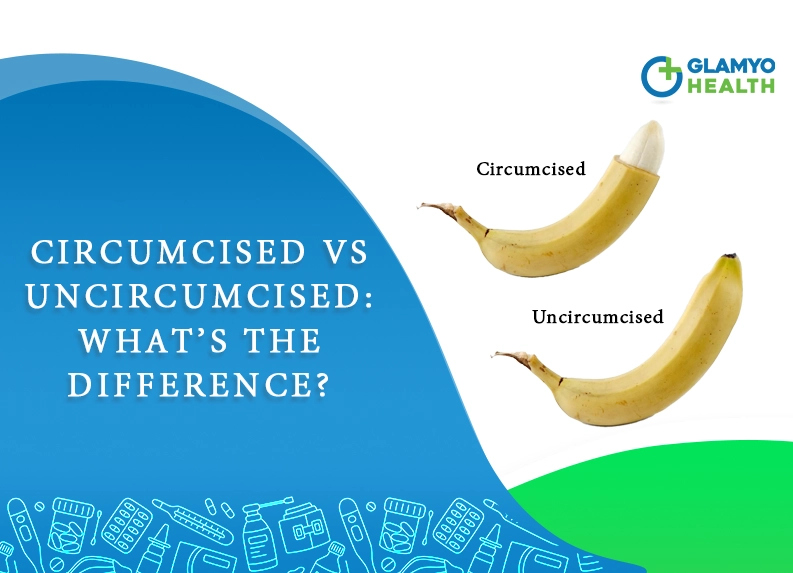
Furthermore, it is essential to recognize that circumcision is not solely a medical issue, but also a cultural and social one. By acknowledging the various factors that influence our attitudes towards circumcision, we can begin to break down the stigmas and stereotypes surrounding the practice. This, in turn, can lead to a more open and inclusive dialogue about the complexities of human identity, intimacy, and bodily autonomy.
In terms of actionable takeaways, it is crucial to approach the topic of circumcision with sensitivity and empathy. By recognizing the diversity of human experiences and perspectives, we can foster a more inclusive and supportive environment for individuals to make their own informed decisions about circumcision. Additionally, by promoting education and awareness about the complexities of this issue, we can work towards creating a more compassionate and understanding society.
Addressing Frequently Asked Questions
What are the potential health benefits of circumcision?
The potential health benefits of circumcision are a topic of ongoing debate and research. Some studies suggest that circumcision can reduce the risk of urinary tract infections, as well as certain types of cancer. Additionally, circumcision may also reduce the transmission of sexually transmitted infections, such as HIV. However, it is essential to note that these benefits are not universally accepted and may vary depending on individual circumstances.
Furthermore, it is crucial to recognize that circumcision is not a guarantee against these health issues. Instead, it should be viewed as one aspect of a broader approach to health and wellbeing, which includes regular check-ups, safe sex practices, and a balanced lifestyle. By adopting a holistic approach to health, individuals can minimize their risk of developing these conditions and maintain overall wellbeing.
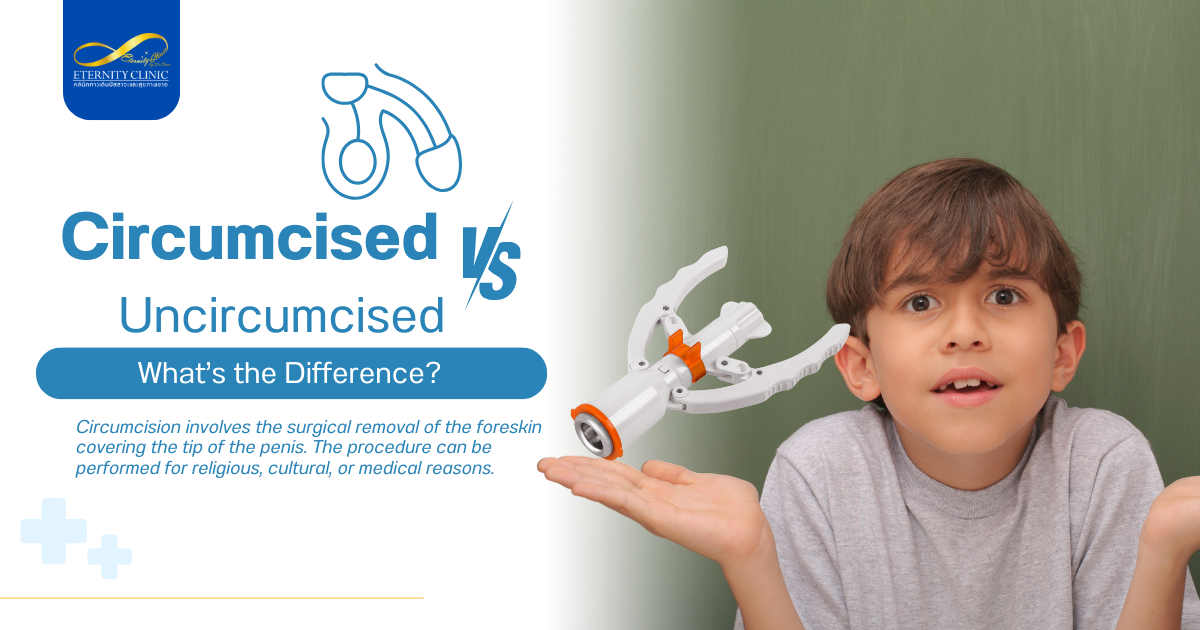
Is circumcision a form of genital mutilation?
The question of whether circumcision constitutes a form of genital mutilation is a highly contentious one. Some argue that the procedure is a violation of human rights and a form of child abuse, as it involves the removal of a healthy and functional body part without the individual's consent. Others contend that circumcision is a medically justifiable procedure that can provide various health benefits and is a cultural or religious practice that should be respected.
Ultimately, the answer to this question depends on one's perspective and values. However, it is essential to acknowledge the validity of both sides of the argument and to approach the topic with sensitivity and empathy. By recognizing the complexity of this issue and the diversity of human experiences, we can work towards creating a more inclusive and compassionate society that values and respects individual autonomy and bodily integrity.
How can I make an informed decision about circumcision?
Making an informed decision about circumcision requires access to accurate and unbiased information, as well as a thorough understanding of the potential pros and cons associated with the procedure. This involves consulting with medical professionals, researching the topic, and evaluating individual circumstances. Additionally, it is essential to recognize that circumcision is a personal decision that should be based on individual values, beliefs, and priorities.
Furthermore, it is crucial to approach the decision-making process with emotional intelligence and empathy. This involves acknowledging the potential emotional and psychological implications of the decision and being open to different perspectives. By adopting a compassionate and inclusive approach to decision-making, individuals can make informed choices that align with their values and promote overall wellbeing.
As we reflect on the circumcision conundrum, it becomes clear that this issue is deeply intertwined with our daily lives and human nature. The decision to undergo circumcision or remain uncircumcised can have a lasting impact on our relationships, identity, and overall wellbeing. By acknowledging the complexity of this issue and the diversity of human experiences, we can work towards creating a more inclusive and compassionate society that values and respects individual autonomy and bodily integrity.
Moreover, the circumcision debate highlights the importance of empathy and understanding in navigating complex social and cultural issues. By recognizing the validity of different perspectives and approaches, we can foster a more open and inclusive dialogue about the complexities of human identity, intimacy, and bodily autonomy. This, in turn, can lead to a more compassionate and supportive environment for individuals to make their own informed decisions about circumcision.
In conclusion, the circumcision conundrum is a multifaceted issue that requires a nuanced and empathetic approach. By exploring the pros and cons of circumcision, acknowledging the diversity of human experiences, and promoting education and awareness, we can work towards creating a more inclusive and compassionate society that values and respects individual autonomy and bodily integrity. Ultimately, it is through this process of open dialogue and empathy that we can unravel the mysteries of circumcision and promote a deeper understanding of human nature and our place within the world.