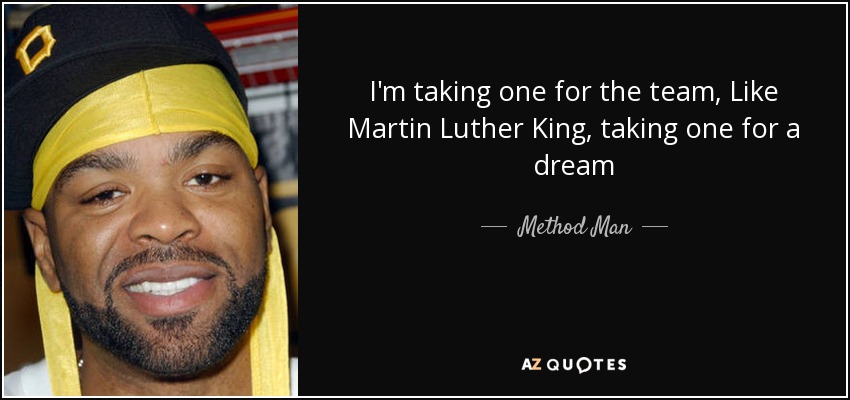
The Art Of Sucking It Up And Taking One For The Team

The phrase "sucking it up and taking one for the team" has become a recurring theme in our daily lives, but have you ever stopped to think about where it originated and how it became a staple of modern internet culture? From its humble beginnings as a sports metaphor to its current status as a viral meme, this phrase has undergone a transformation that reflects the absurdities and harsh realities of our digital age. It's a phrase that's been tweeted about, memed into oblivion, and even debated by self-proclaimed experts on Reddit.
In recent years, the concept of "taking one for the team" has evolved into a cultural phenomenon, symbolizing the sacrifices we make for the greater good, whether that's putting up with a toxic boss, tolerating online trolls, or simply dealing with the everyday struggles of adulting. It's a notion that resonates deeply with the Millennial and Gen Z crowds, who are no strangers to the challenges of navigating the gig economy and maintaining a social media presence. As a result, the phrase has become a rallying cry for those seeking to cope with the pressures of modern life.
So, why is everyone talking about it? For starters, the concept of "sucking it up" taps into our collective desire to feel like we're part of something larger than ourselves. It's a testament to the power of community and solidarity in the face of adversity. Moreover, the phrase has become a versatile meme, capable of being applied to everything from relationship drama to office politics. It's a cultural touchstone that transcends borders and demographics, speaking to a fundamental aspect of the human experience: the willingness to endure hardship for the sake of others.
Must Read
The Subcultures of Suffering
Delving deeper into the world of "taking one for the team," we find a complex web of subcultures and online communities that have sprung up around this concept. There's the Discord server dedicated to sharing war stories of workplace struggles, where users can bond over their shared experiences of burnout and office politics. Then there's the TikTok challenge, where participants showcase their most creative ways of "sucking it up" and dealing with adulting. These subcultures not only provide a sense of belonging and camaraderie but also serve as a platform for people to share their strategies and tips for coping with the challenges of modern life.
One of the most fascinating aspects of these subcultures is the way they've created their own lingo and symbolism. Phrases like " it's all part of the game" and "no pain, no gain" have become ingrained in the lexicon of these online communities, serving as a form of shorthand for the sacrifices and struggles that members have endured. Moreover, the use of memes and humor has become a key aspect of these subcultures, allowing participants to laugh and cope with the absurdities of modern life.
However, not all of these subcultures are created equal. Some have been criticized for promoting a toxic and masochistic approach to life, where individuals are encouraged to overwork and sacrifice their well-being for the sake of others. These criticisms highlight the need for a more nuanced and balanced approach to the concept of "taking one for the team," one that prioritizes self-care and wellness alongside the need for solidarity and community.
Ultimately, the subcultures surrounding "sucking it up" reflect a broader cultural shift towards empathy and understanding. By sharing their experiences and strategies for coping with adversity, individuals are creating a sense of connection and community that transcends the boundaries of traditional social structures. As we navigate the complexities of modern life, it's essential to recognize the value of these subcultures in providing a support network and safe space for individuals to share their stories and find solidarity.

Navigating the Trend without Losing Your Mind
So, how can you navigate the trend of "taking one for the team" without losing your sanity or wallet? For starters, it's essential to set boundaries and prioritize self-care. This means being mindful of your own limits and needs, and not being afraid to say no to requests that compromise your well-being. It's also crucial to surround yourself with a supportive network of friends, family, and colleagues who understand the value of balance and wellness.
Another key strategy is to redefine what it means to "take one for the team." Rather than seeing it as a form of martyrdom or sacrifice, try to view it as an opportunity to grow and learn. By embracing challenges and difficulties as a chance to develop new skills and build resilience, you can transform the experience of "sucking it up" into a positive and empowering one.
It's also important to be aware of the potential pitfalls of this trend. Be cautious of burnout and compassion fatigue, and make sure to take breaks and practice self-compassion when needed. Additionally, be mindful of the power dynamics at play, and avoid enabling or perpetuating toxic behaviors or relationships.
Finally, don't be afraid to seek help and support when you need it. Whether it's a therapist, a support group, or a trusted friend, having a safe space to talk through your feelings and strategies can make all the difference in navigating the challenges of modern life. By being proactive and intentional in your approach to "taking one for the team," you can turn a potentially toxic trend into a positive and empowering experience.

Frequently Asked Questions
What is the origin of the phrase "sucking it up and taking one for the team"?
The phrase "sucking it up and taking one for the team" has its roots in sports, where it was used to describe the act of making a sacrifice for the benefit of the team. Over time, the phrase has evolved to encompass a broader range of meanings, from selflessness and altruism to resilience and perseverance. Despite its evolution, the core idea of "taking one for the team" remains the same: putting the needs of others before one's own.
Today, the phrase is used in a variety of contexts, from workplace politics and office dynamics to social media and online communities. Its versatility and relatability have made it a staple of modern internet culture, with memes and humor playing a significant role in its propagation. As we continue to navigate the complexities of modern life, it's likely that the phrase "sucking it up and taking one for the team" will remain a relevant and enduring part of our cultural lexicon.
How can I tell if I'm taking one for the team in a healthy way?
Determining whether you're "taking one for the team" in a healthy way requires a degree of self-awareness and reflection. Ask yourself if you're making sacrifices that align with your values and goals, or if you're simply trying to people-please or validate your self-worth. It's also essential to consider the power dynamics at play, ensuring that you're not being exploited or manipulated into making sacrifices that benefit others at your expense.
A healthy approach to "taking one for the team" involves a sense of mutuality and reciprocity, where your sacrifices are acknowledged and valued by others. It's also crucial to prioritize self-care and wellness, recognizing that your own needs and limits are essential to maintaining a healthy and sustainable approach to life. By being mindful of these factors, you can ensure that your sacrifices are made with intention and purpose, rather than simply out of obligation or guilt.

Can taking one for the team be a form of self-care?
While it may seem counterintuitive, taking one for the team can indeed be a form of self-care when approached in a mindful and
However, it's essential to distinguish between selfless acts that promote wellness and self-destructive behaviors that compromise your needs and limits. When taking one for the team becomes a form of self-sacrifice that neglects your own well-being, it's time to reevaluate your approach and prioritize self-care and self-compassion. By being aware of this distinction, you can harness the benefits of taking one for the team while maintaining a healthy and sustainable approach to life.
How can I avoid burnout when taking one for the team?
Avoiding burnout when taking one for the team requires a combination of self-awareness, boundary-setting, and self-care. It's essential to recognize the signs of burnout, such as exhaustion, cynicism, and reduced performance, and take proactive steps to mitigate these effects. This may involve setting boundaries and learning to say no to requests that compromise your well-being, as well as prioritizing self-care activities that promote relaxation and rejuvenation.
Additionally, it's crucial to re-evaluate your approach to taking one for the team, ensuring that your sacrifices are aligned with your values and goals, and that you're not being exploited or manipulated into making sacrifices that benefit others at your expense. By being mindful of these factors and taking a proactive approach to self-care and wellness, you can minimize the risk of burnout and maintain a healthy and sustainable approach to life.

Is taking one for the team a passing fad, or is it here to stay?
The concept of taking one for the team has been around for decades, and its evolution into a viral meme and cultural phenomenon is a testament to its enduring relevance. As we continue to navigate the complexities of modern life, it's likely that the phrase "sucking it up and taking one for the team" will remain a staple of our cultural lexicon, reflecting our collective desire for connection, community, and meaning.
However, the way we approach and interpret this concept is likely to evolve over time, reflecting shifting values and norms around self-care, wellness, and social responsibility. As we become more aware of the importance of self-care and boundary-setting, we may see a shift towards a more balanced and sustainable approach to taking one for the team, one that prioritizes mutuality and reciprocity alongside selflessness and altruism.
As we reflect on the concept of taking one for the team, it's clear that this trend is not just a passing fad, but a permanent shift in our cultural landscape. The phrase "sucking it up and taking one for the team" has become a cultural touchstone, reflecting our collective desire for connection, community, and meaning. As we move forward, it's essential to approach this concept with a critical and nuanced perspective, recognizing both its benefits and its drawbacks, and striving to create a more balanced and sustainable approach to life.
Ultimately, the future of taking one for the team will depend on our ability to evolve and adapt to changing values and norms, while remaining true to the core principles of selflessness, altruism, and community. By embracing this concept in a mindful and intentional way, we can harness its power to create a more compassionate, resilient, and connected world, where individuals can thrive and grow while making a positive impact on those around them.