Sterile Processing Technician Guide: How To Start A Healthcare Career
Ever wonder what goes on behind the scenes to keep our hospitals and clinics running smoothly, especially when it comes to the tools doctors and nurses use? It’s a world that might not get the spotlight, but it’s absolutely critical for our well-being. If you're looking for a healthcare career that’s both essential and offers a real sense of purpose, then let's talk about becoming a Sterile Processing Technician!
Think of sterile processing as the unsung hero of patient safety. Its primary purpose? To ensure that all the surgical instruments and medical equipment used in patient care are meticulously cleaned, disinfected, and sterilized. Why is this so important? Because it prevents the spread of infections. Imagine a scalpel or a pair of forceps being used on multiple patients without being properly decontaminated – the thought is frankly terrifying! Sterile processing technicians are the guardians who make sure this never happens. They are the backbone of infection control, working diligently to protect patients from potentially life-threatening germs and pathogens. It’s a career that truly makes a difference, directly impacting patient outcomes and contributing to the overall quality of healthcare.
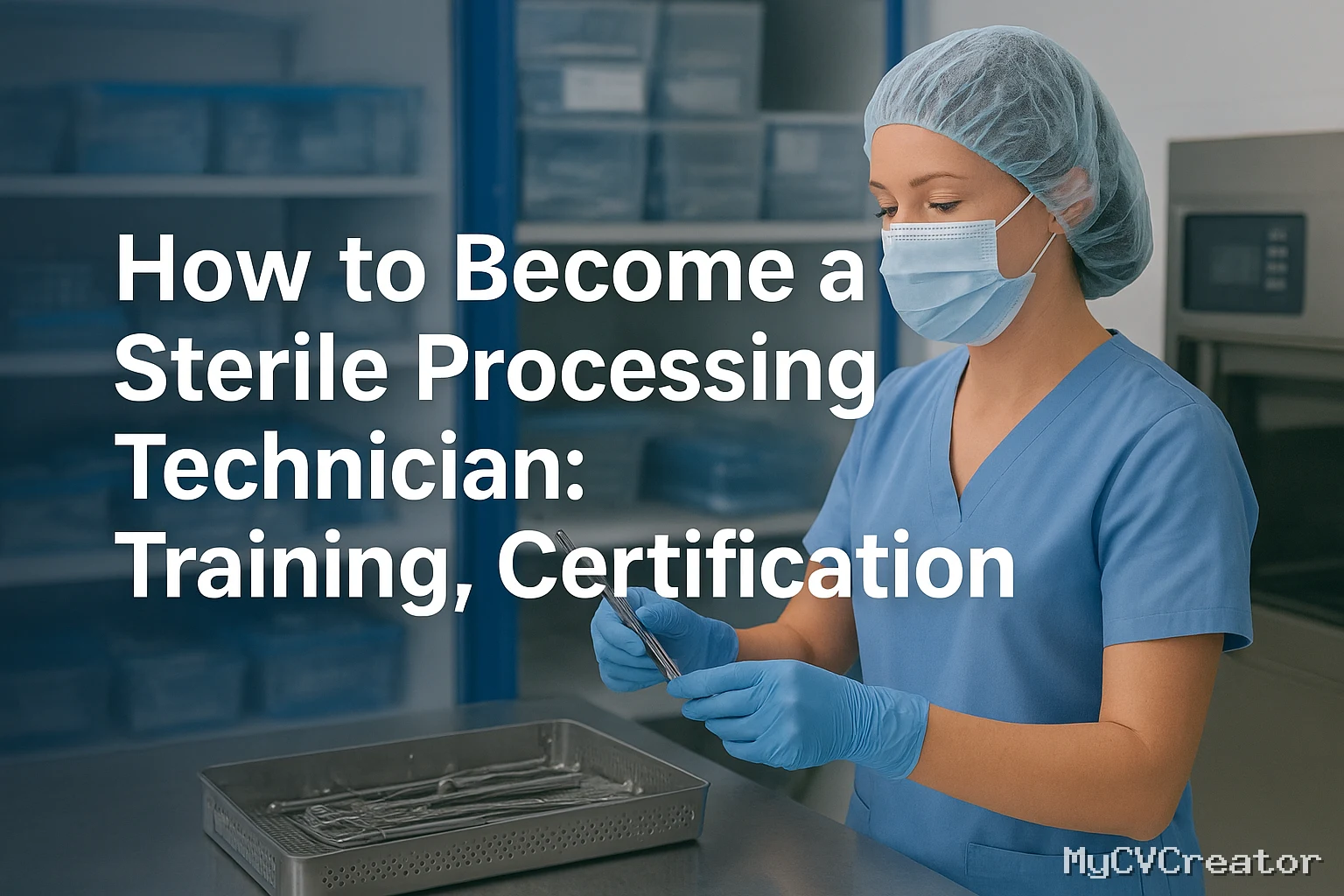
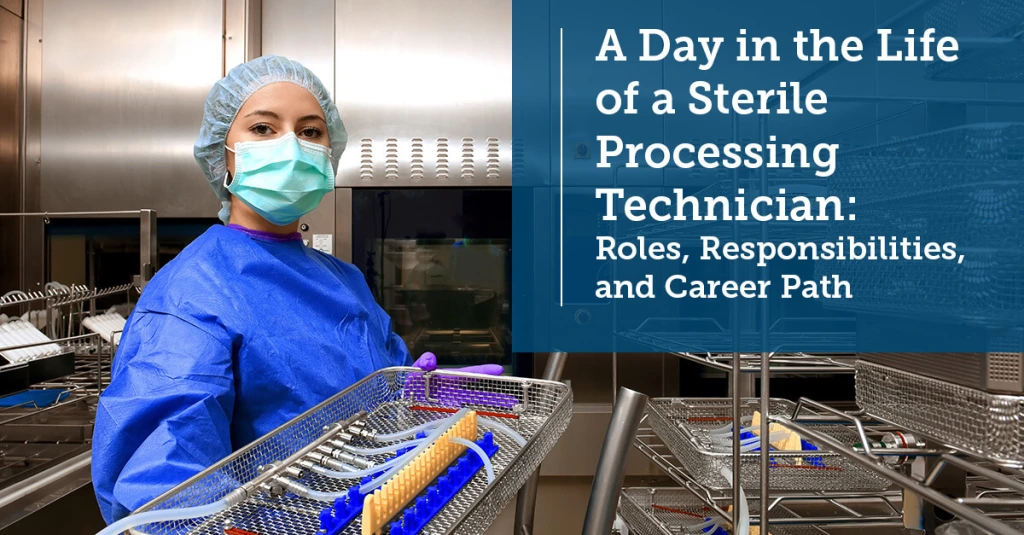
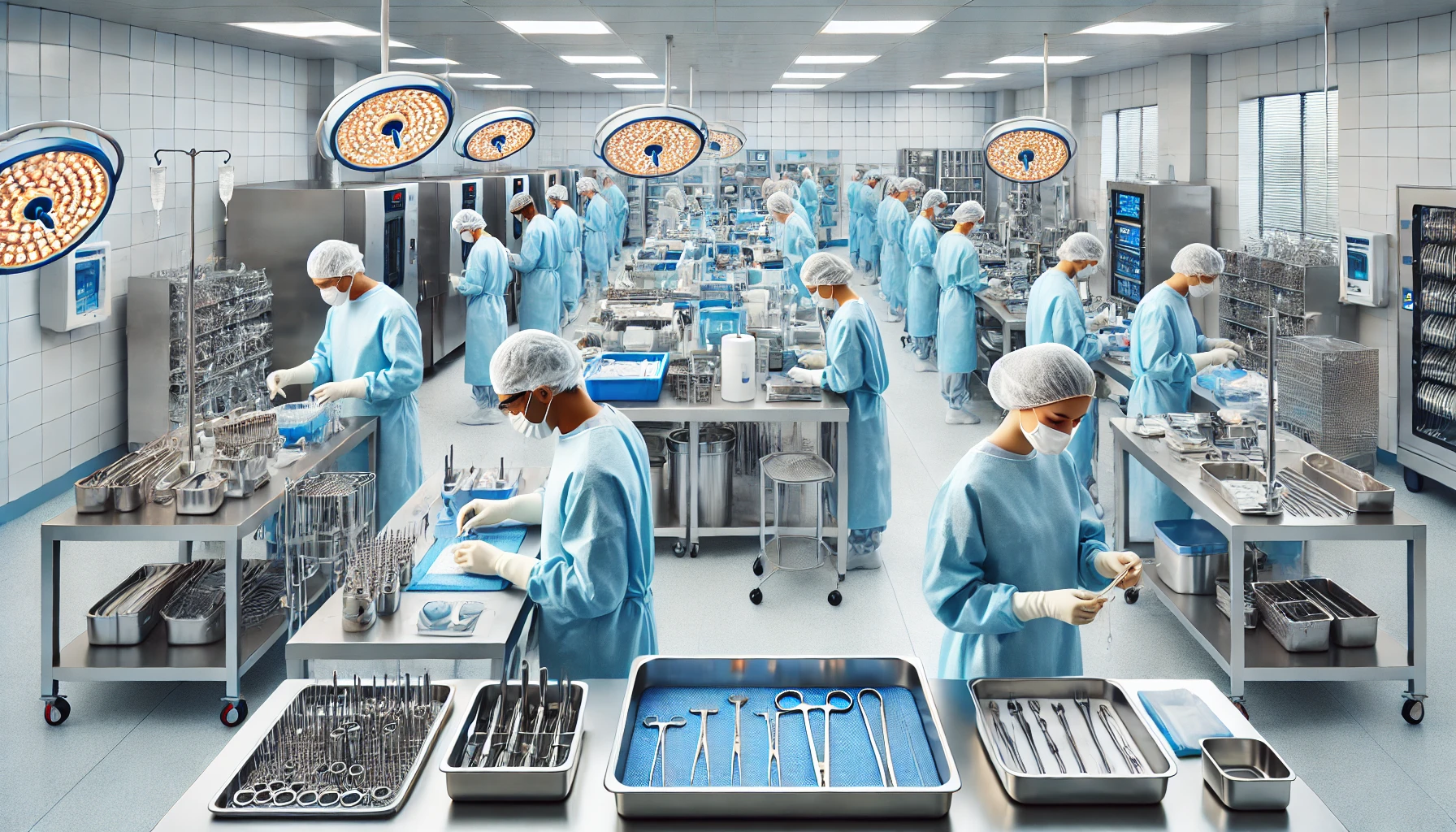
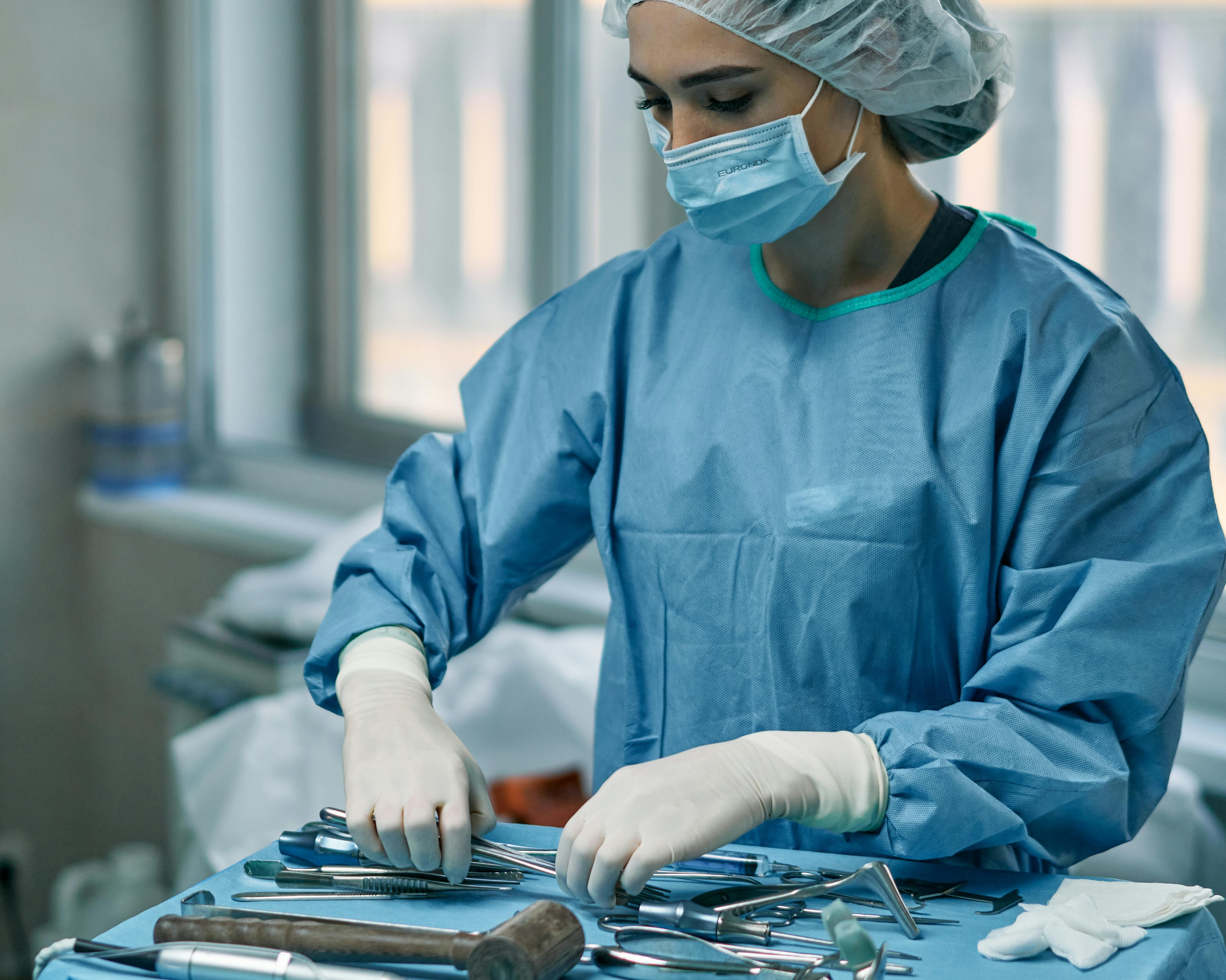
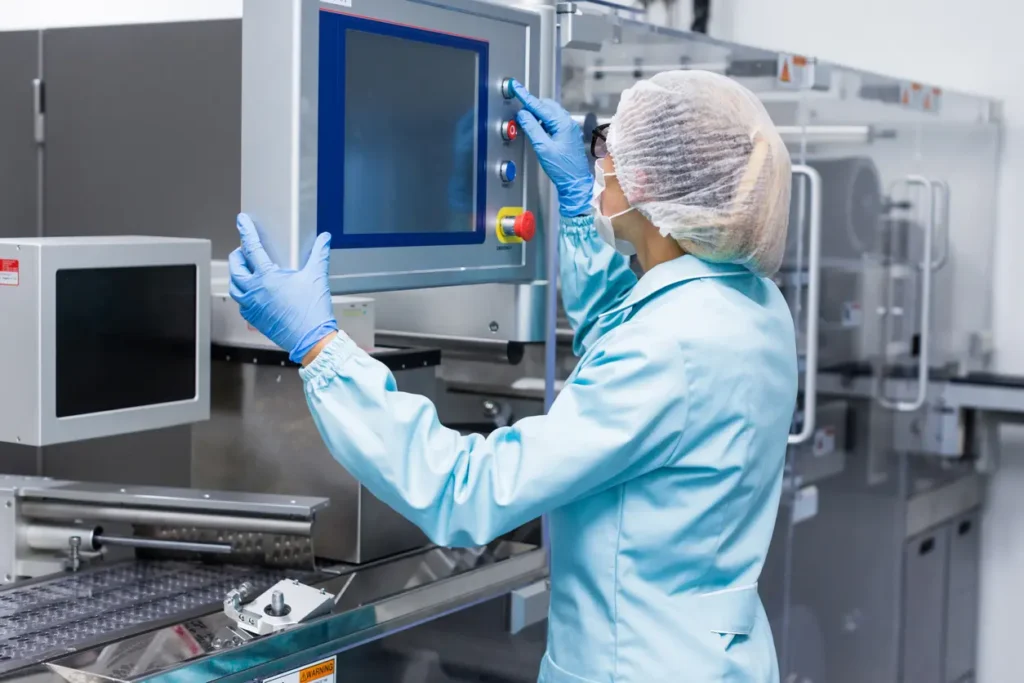
So, what does this job actually look like? You’ll find sterile processing technicians working in hospitals, outpatient surgery centers, dental offices, and even veterinary clinics. Their days involve a systematic process: receiving soiled instruments, meticulously cleaning them (sometimes by hand, sometimes with automated washers), inspecting them for damage, assembling them into sets, and then sterilizing them using various methods like autoclaves (steam sterilization) or chemical sterilizers. It’s a job that requires precision, attention to detail, and a deep understanding of safety protocols. You might be handling everything from tiny surgical probes to large diagnostic machines, and each item has its own specific cleaning and sterilization requirements.
Must Read
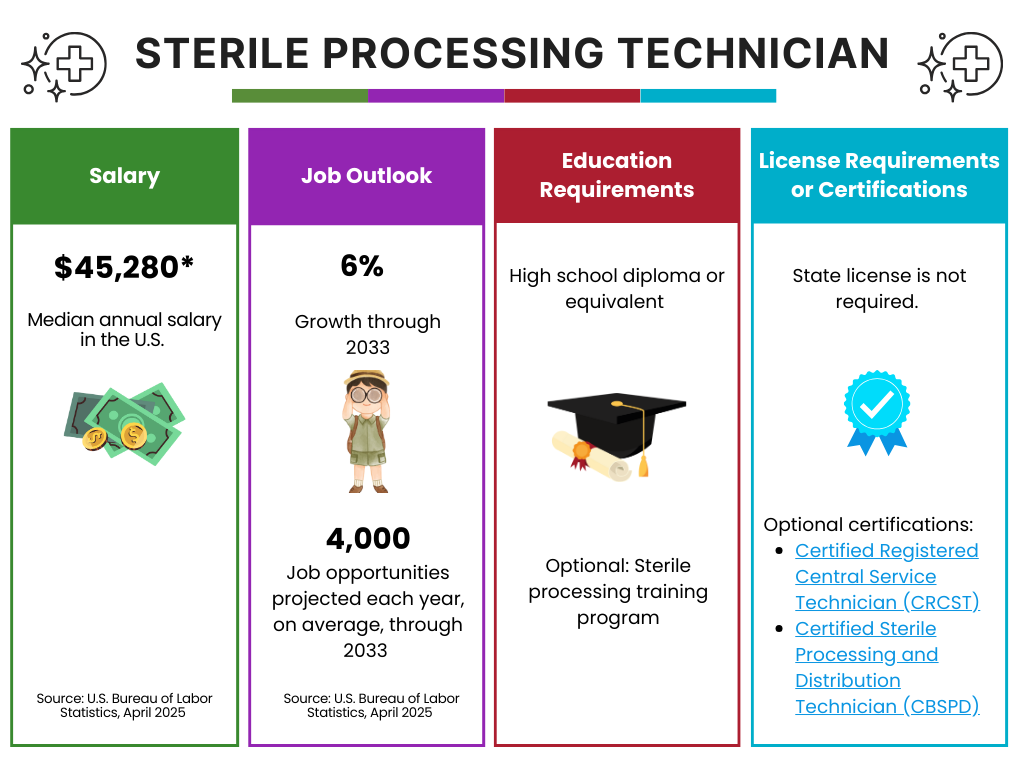
Ready to embark on this rewarding journey? Starting a career as a Sterile Processing Technician is more accessible than you might think. The first step is often to pursue a certification. Many organizations offer accredited programs that cover the essential knowledge and skills. Look for programs recognized by bodies like the Certification Board for Sterile Processing & Distribution (CBSPD) or the International Association of Healthcare Central Service Material Management (IAHCSMM). These programs will equip you with the theoretical knowledge and often include hands-on training, giving you a solid foundation. Don't underestimate the power of shadowing! If you can arrange to observe a sterile processing department in action, it will give you a real-world perspective and help you understand the daily workflow.
To truly enjoy and excel in this role, cultivate a mindset of continuous learning. The field of healthcare technology and infection control is always evolving, so staying updated on best practices and new equipment is key. Embrace the routine, as consistency is crucial in sterile processing, but also be prepared for the occasional challenge or urgent request. Good communication skills are also vital; you'll be interacting with nurses, surgeons, and other hospital staff. And most importantly, always remember the why – you are playing a vital role in keeping people safe and healthy. Your dedication to ensuring sterile instruments directly translates to better patient care, and that's a profoundly satisfying aspect of this healthcare career.