Sizzling Summer Styles To Wear By The Sea

The arrival of summer brings with it a plethora of exciting opportunities to enjoy the great outdoors, particularly by the sea. As we bask in the warmth and cool breeze, our choice of attire plays a significant role in ensuring we stay comfortable and protected. Understanding the science behind our clothing choices can make all the difference in enhancing our seaside experience. Thermoregulation, the ability of the human body to maintain its internal temperature, is a critical factor to consider when selecting summer outfits. The evaporative cooling effect of sweat is essential in hot weather, and our clothing should facilitate this process rather than hinder it.
Furthermore, the ultraviolet (UV) index is a crucial consideration when spending time by the sea. The reflective properties of water and sand can increase our exposure to harmful UV rays, making it essential to wear clothing that provides adequate protection. UPF (Ultraviolet Protection Factor) rated fabrics can block a significant amount of UV radiation, reducing the risk of sunburn and skin damage. Additionally, the breathability of fabrics is vital in preventing the buildup of heat and moisture, which can lead to discomfort and skin irritation.
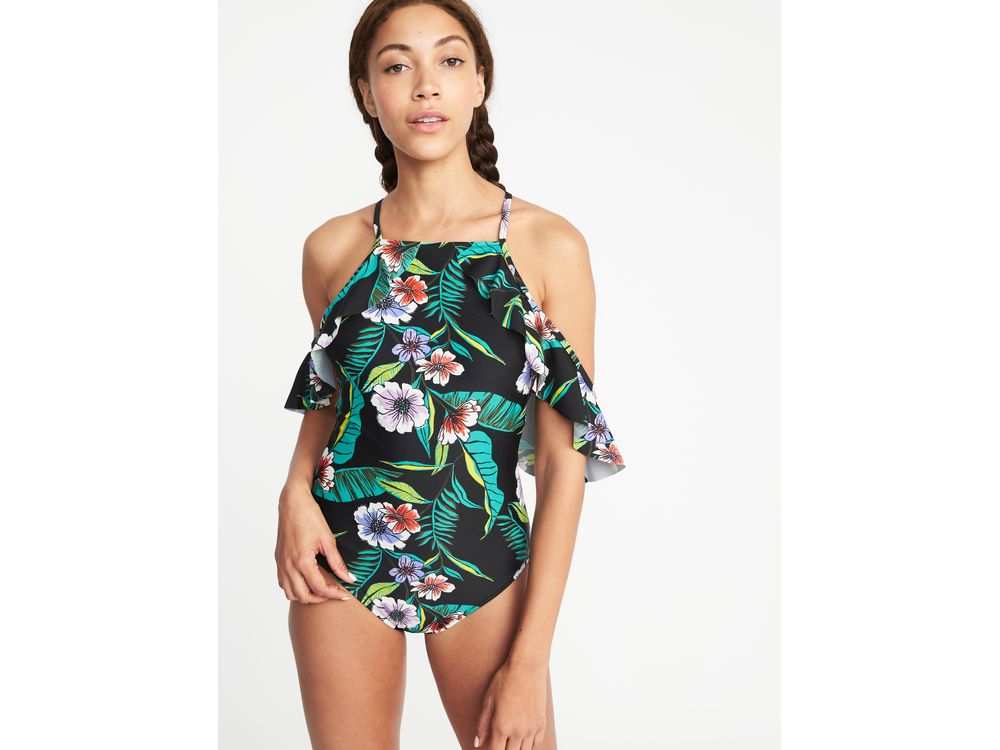
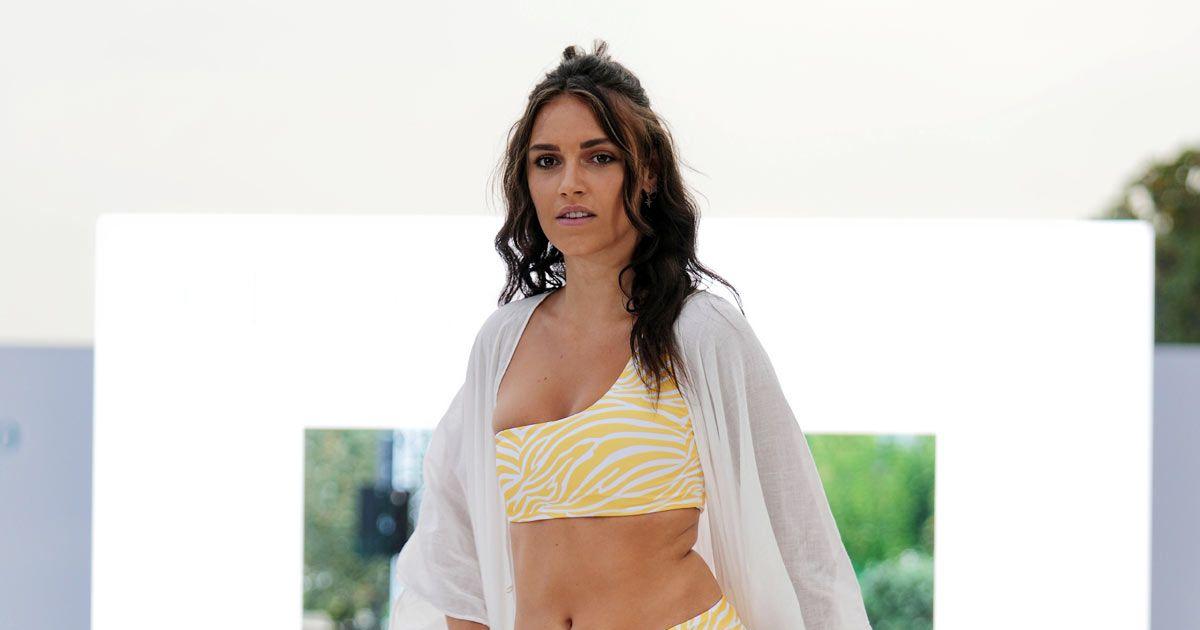
In terms of style, seaside fashion often involves a mix of functional and fashionable pieces. Moisture-wicking fabrics are ideal for activewear, while lightweight, loose-fitting clothing can provide a comfortable and stylish solution for more relaxed outings. The color palette of our outfits can also play a role in keeping us cool, with lighter colors tend to reflect the sun's rays rather than absorb them. By understanding these principles, we can make informed choices about our summer wardrobe and enjoy the seaside with confidence and comfort.
Must Read
Unpacking the Science of Seaside Style
Delving deeper into the world of seaside fashion, it becomes clear that there are numerous biological, chemical, and systemic reactions at play. The hydrologic cycle of the ocean, for example, can affect the humidity levels in the air, which in turn impact our perception of temperature. This is because our body's ability to cool itself through sweating is impaired in humid environments, making it essential to wear clothing that allows for efficient moisture transfer. Natural fibers such as cotton, linen, and bamboo are excellent choices for seaside attire, as they tend to breath more easily than synthetic fibers.
The microclimate created by our clothing can also have a significant impact on our comfort levels. The boundary layer of air closest to our skin plays a crucial role in regulating our body temperature, and the heat transfer properties of our clothing can either enhance or hinder this process. Synthetic fibers such as polyester and nylon can sometimes trap heat and moisture, leading to discomfort and skin irritation. In contrast, natural fibers tend to allow for greater airflow and moisture transfer, making them a popular choice for seaside fashion.
In addition to the physical properties of our clothing, the psychological factors at play should not be overlooked. The color psychology of our outfits can influence our mood and perception of the environment, with certain colors such as blue and green often associated with feelings of calmness and relaxation. The texture and weight of our clothing can also impact our comfort levels, with lightweight, smooth fabrics tend to be preferred for seaside attire.
The biomechanics of our clothing can also play a role in our overall comfort and mobility. The range of motion allowed by our clothing can affect our ability to engage in various activities, such as swimming or beach volleyball. Flexible fabrics such as spandex and elastane can provide a full range of motion, while baggy or restrictive clothing can impede our movement and overall enjoyment of the seaside experience.
Practical Strategies for Mastering Seaside Style
Armed with a deeper understanding of the science behind seaside fashion, we can now explore practical strategies for incorporating these principles into our daily lives. One actionable step is to invest in a few high-quality, UPF-rated pieces that can be mixed and matched to create a variety of outfits. Layering is also a great way to adapt to changing weather conditions, with lightweight, breathable layers such as cotton or linen shirts and pants providing excellent flexibility.
Another life hack is to choose clothing with built-in moisture-wicking properties, such as activewear or athletic clothing. These technical fabrics are designed to draw sweat away from the skin and dry quickly, making them ideal for high-intensity activities or hot weather. Accessories such as hats, sunglasses, and scarves can also play a crucial role in protecting us from the sun and enhancing our overall seaside experience.
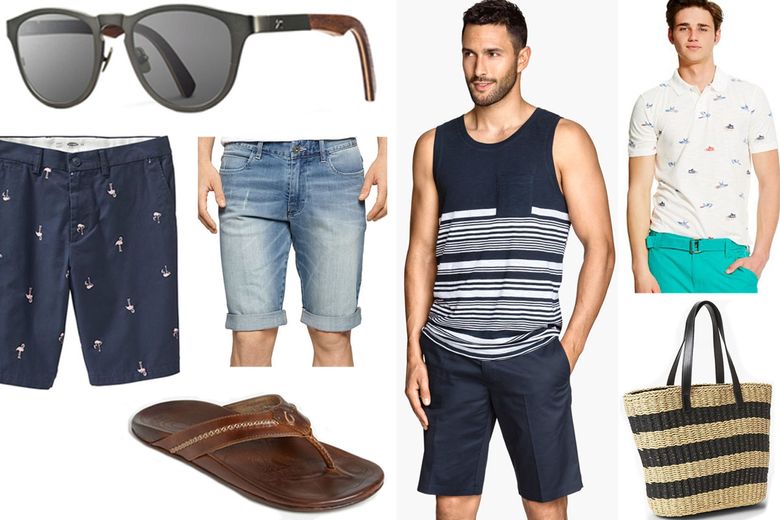
In terms of color palette, it's essential to consider the reflective properties of different colors. Lighter colors such as white, beige, and pastel shades tend to reflect the sun's rays rather than absorb them, making them a great choice for seaside attire. Darker colors, on the other hand, can absorb heat and make us feel hotter, so it's best to balance them with lighter accents or breathable fabrics.
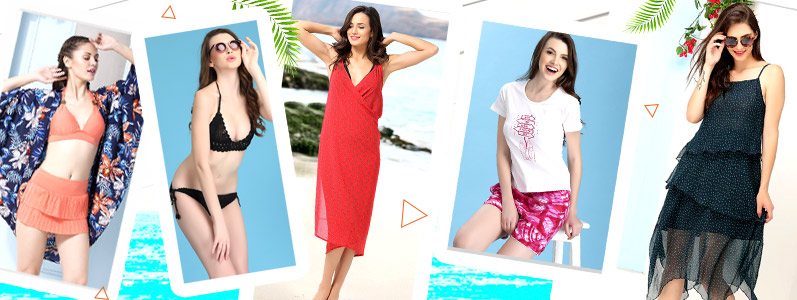
Finally, practicality should always be a consideration when selecting seaside clothing. Easy-to-wear pieces such as dresses, jumpsuits, or rompers can be a great option for a day at the beach, while quick-drying fabrics can ensure that we stay comfortable even when engaging in water activities. By prioritizing functionality and comfort, we can create a seaside wardrobe that is both stylish and practical.
Frequently Asked Questions
What is the best way to protect my skin from the sun while still enjoying the seaside?
Protecting our skin from the sun is essential, especially when spending time by the sea. One actionable step is to seek shade whenever possible, particularly during the peak sun hours of 10am-4pm. UPF-rated clothing can also provide excellent protection, as can wide-brimmed hats and sunglasses. Additionally, applying sunscreen regularly can help to prevent sunburn and skin damage. It's essential to choose a broad-spectrum sunscreen with a high SPF rating and to reapply every two hours or after swimming or sweating.

Another practical strategy is to wear clothing that covers sensitive areas such as the shoulders, back, and chest. Lightweight, breathable fabrics such as cotton or linen can provide excellent protection while still keeping us cool and comfortable. It's also essential to be mindful of reflective surfaces such as water and sand, which can increase our exposure to UV radiation. By taking a few simple precautions, we can enjoy the seaside while still protecting our skin from the sun.
How can I stay cool and comfortable in hot weather while still looking stylish?
Staying cool and comfortable in hot weather is essential, particularly when spending time by the sea. One actionable step is to choose lightweight, breathable fabrics such as cotton, linen, or bamboo. These natural fibers tend to allow for greater airflow and moisture transfer, making them ideal for hot weather. Loose-fitting clothing can also help to keep us cool, as it allows for greater airflow around the body.
Another practical strategy is to opt for light colors that reflect the sun's rays rather than absorb them. Pastel shades and white or beige are great options for seaside attire, as they tend to stay cool even in direct sunlight. Accessories such as hats, sunglasses, and scarves can also play a crucial role in protecting us from the sun and enhancing our overall seaside experience. By prioritizing comfort and practicality, we can stay cool and stylish even in the hottest weather.

What are some essential items to include in my seaside wardrobe?
Creating a seaside wardrobe that is both stylish and practical requires some careful planning. One essential item is a high-quality, UPF-rated swimsuit that provides excellent protection from the sun. Lightweight, breathable clothing such as cotton or linen shirts and pants are also a must-have, as they can be easily mixed and matched to create a variety of outfits. Sunglasses and wide-brimmed hats are also essential for protecting our skin and eyes from the sun.
Another practical strategy is to invest in a few versatile pieces that can be dressed up or down. A classic white shirt or a pair of comfortable shorts can be a great addition to any seaside wardrobe, as they can be easily paired with other items to create a stylish and practical outfit. By prioritizing comfort, practicality, and protection, we can create a seaside wardrobe that meets all our needs and enhances our overall seaside experience.
By embracing the science behind seaside style, we can create a wardrobe that is both stylish and practical. Understanding the principles of thermoregulation, UV protection, and moisture-wicking can help us make informed choices about our clothing and enhance our overall seaside experience. Whether we're looking to stay cool and comfortable in hot weather or protect our skin from the sun, there are numerous strategies and techniques that can help us achieve our goals.
Ultimately, the key to mastering seaside style is to respect the science behind it. By prioritizing comfort, practicality, and protection, we can create a wardrobe that meets all our needs and enhances our overall seaside experience. Whether we're swimming, sunbathing, or simply enjoying the views, our clothing should be designed to keep us cool, comfortable, and protected. By taking a few simple precautions and investing in high-quality, functional pieces, we can enjoy the seaside with confidence and style.