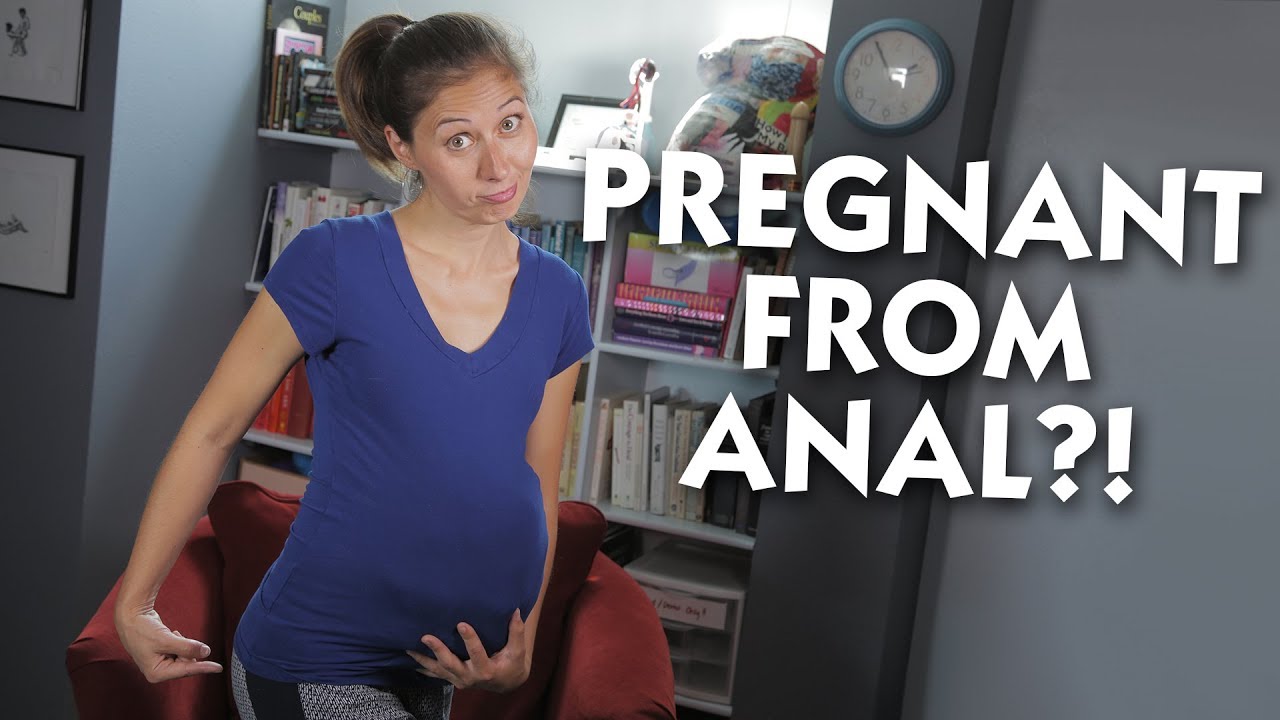
Pregnancy And Pleasure Exploring The Safety Of Anal Sex

Pregnancy is a complex and multifaceted period in a woman's life, involving significant physiological, emotional, and social changes. One aspect of pregnancy that is often shrouded in mystery and misconception is the role of pleasure, particularly in relation to anal sex. While anal sex during pregnancy is generally considered safe, there are important considerations and precautions to be aware of to ensure a healthy and enjoyable experience for both partners.
From a biological perspective, anal sex involves the stimulation of the anal canal, which is richly innervated with sensory nerves. During pregnancy, the body undergoes significant hormonal changes, including increased levels of progesterone and estrogen, which can affect the vaginal flora and potentially lead to yeast infections or bacterial vaginosis. However, the anal canal is not directly affected by these hormonal changes, and anal sex can be a viable option for couples looking to maintain intimacy during pregnancy.
Despite the safety of anal sex during pregnancy, there are important precautions to consider. The anal canal is more prone to micro-tearing and bleeding due to the lack of natural lubrication, which can increase the risk of infection. Furthermore, anal sex toys or prostate stimulation can also introduce bacteria into the urethra or vagina, potentially leading to urinary tract infections or pregnancy complications.
Must Read
Underlying Biology and Physiology
The anal canal is a complex and highly innervated region, with a rich supply of sensory nerve endings and blood vessels. During anal sex, the anal canal is stimulated, releasing endorphins and other neurotransmitters that can contribute to feelings of pleasure and relaxation. However, the anal canal is also more prone to injury and infection due to the lack of natural lubrication and the presence of bacteria in the anal canal.
From a physiological perspective, anal sex during pregnancy can be affected by the increased blood volume and cardiac output that occur during pregnancy. This can lead to increased blood flow to the genital area, potentially increasing sensitivity and pleasure. However, it can also increase the risk of hemorrhoids and anal fissures due to the increased venous pressure in the anal canal.
The immunological changes that occur during pregnancy can also affect the risk of infection associated with anal sex. The immunosuppressive effects of pregnancy hormones can increase the risk of infection, particularly if barrier methods are not used. However, the use of condoms or dental dams can significantly reduce the risk of STIs and other infections.

Ultimately, the safety of anal sex during pregnancy depends on a range of factors, including the individual's overall health, the presence of any underlying medical conditions, and the use of barrier methods. By understanding the underlying biology and physiology of anal sex during pregnancy, couples can make informed decisions about their sexual health and take steps to minimize the risks associated with anal sex.
Practical Strategies for Safe and Enjoyable Anal Sex
To engage in safe and enjoyable anal sex during pregnancy, couples should take several precautions. First, it is essential to communicate openly about any concerns or discomfort, and to establish clear boundaries and consent. Couples should also use barrier methods, such as condoms or dental dams, to reduce the risk of STIs and other infections.
Second, couples should engage in thorough preparation, including anal cleansing and the use of lubricants to reduce friction and discomfort. The use of anal sex toys or prostate stimulation should be approached with caution, and couples should be aware of the potential risks of infection or injury.

Third, couples should be aware of their bodies and listen to their instincts. If any discomfort or pain is experienced, couples should stop immediately and re-evaluate their approach. By prioritizing communication, preparation, and mutual respect, couples can engage in safe and enjoyable anal sex during pregnancy.
Finally, couples should be aware of the potential benefits of anal sex during pregnancy, including increased intimacy and pleasure. By approaching anal sex with an open mind and a willingness to communicate and adapt, couples can maintain a healthy and fulfilling sex life during pregnancy.
Frequently Asked Questions
Is Anal Sex During Pregnancy Safe for the Baby?
The safety of anal sex during pregnancy for the baby is a common concern. However, there is no evidence to suggest that anal sex during pregnancy can directly harm the baby. The placenta and amniotic sac provide a protective barrier between the genital tract and the uterus, and the risk of infection or harm to the baby is extremely low. Nevertheless, couples should still take precautions to minimize the risk of infection or complications.
It is essential to note that the American College of Obstetricians and Gynecologists (ACOG) recommends that pregnant women avoid any activity that may cause trauma or stress to the genital area, including anal sex. However, this recommendation is based on the potential risk of infection or complications, rather than any direct harm to the baby. By taking precautions and communicating openly, couples can minimize the risks associated with anal sex during pregnancy and maintain a healthy and fulfilling sex life.
Can Anal Sex During Pregnancy Cause Hemorrhoids or Anal Fissures?
The risk of hemorrhoids or anal fissures during pregnancy is a common concern. The increased blood volume and cardiac output that occur during pregnancy can lead to increased blood flow to the genital area, potentially increasing the risk of hemorrhoids or anal fissures. Furthermore, the anal canal is more prone to micro-tearing and bleeding due to the lack of natural lubrication, which can increase the risk of infection or complications.
However, the risk of hemorrhoids or anal fissures can be minimized by taking precautions, such as engaging in thorough preparation and using lubricants to reduce friction and discomfort. Couples should also be aware of their bodies and listen to their instincts, stopping immediately if any discomfort or pain is experienced. By prioritizing communication, preparation, and mutual respect, couples can minimize the risks associated with anal sex during pregnancy and maintain a healthy and fulfilling sex life.

How Can Couples Maintain Intimacy and Pleasure During Pregnancy?
Maintaining intimacy and pleasure during pregnancy is essential for a healthy and fulfilling relationship. Couples can communicate openly about their desires and needs, and experiment with new positions or techniques to accommodate any physical changes or discomfort. The use of sex toys or prostate stimulation can also be a viable option, provided that precautions are taken to minimize the risk of infection or complications.
Furthermore, couples can prioritize emotional intimacy, engaging in activities that promote relaxation and connection, such as massage or meditation. By maintaining a sense of connection and intimacy, couples can navigate the physical and emotional changes of pregnancy and maintain a healthy and fulfilling relationship. Ultimately, the key to maintaining intimacy and pleasure during pregnancy is to communicate openly, be flexible, and prioritize mutual respect and trust.
By respecting the science behind anal sex during pregnancy, couples can make informed decisions about their sexual health and take steps to minimize the risks associated with anal sex. This involves understanding the underlying biology and physiology of anal sex, taking precautions to minimize the risk of infection or complications, and communicating openly about desires and needs. By prioritizing mutual respect, trust, and communication, couples can maintain a healthy and fulfilling sex life during pregnancy and navigate the physical and emotional changes that occur during this time.
Ultimately, the science behind anal sex during pregnancy is complex and multifaceted, involving a range of biological, physiological, and emotional factors. By understanding these factors and taking a proactive and informed approach to their sexual health, couples can maintain a healthy and fulfilling relationship during pregnancy and beyond. This involves being aware of the potential risks and benefits of anal sex, taking precautions to minimize the risk of infection or complications, and communicating openly about desires and needs. By respecting the science behind anal sex during pregnancy, couples can navigate the physical and emotional changes of pregnancy and maintain a healthy and fulfilling sex life.