Police Officer Salary: Average Pay Scales, Hazard Benefits, And Overtime
So, you're curious about what cops actually make, huh? Like, beyond the movie stereotypes of them eating donuts all day and living in fancy houses? Let's spill the beans, shall we? We're gonna chat about police officer salaries, because honestly, it's a question a lot of people have, and it's more complex than you might think. It's not just a flat number, you know? There's a whole lot more to it than just a paycheck. Think of it like this: it's a whole recipe, not just one ingredient.
First off, the average salary. It sounds simple enough, right? But where do you even begin to calculate that? Are we talking about some small-town sheriff or a big-city detective? It’s like trying to average the price of a popsicle and a yacht. Different strokes for different folks, as they say. But for real, the numbers can swing wildly. According to the Bureau of Labor Statistics, the median annual wage for sworn officers was around $67,000 in May 2022. Now, that's a median, meaning half make more, half make less. So, some are definitely pulling in a bit more than that, and some are… well, you get the picture.
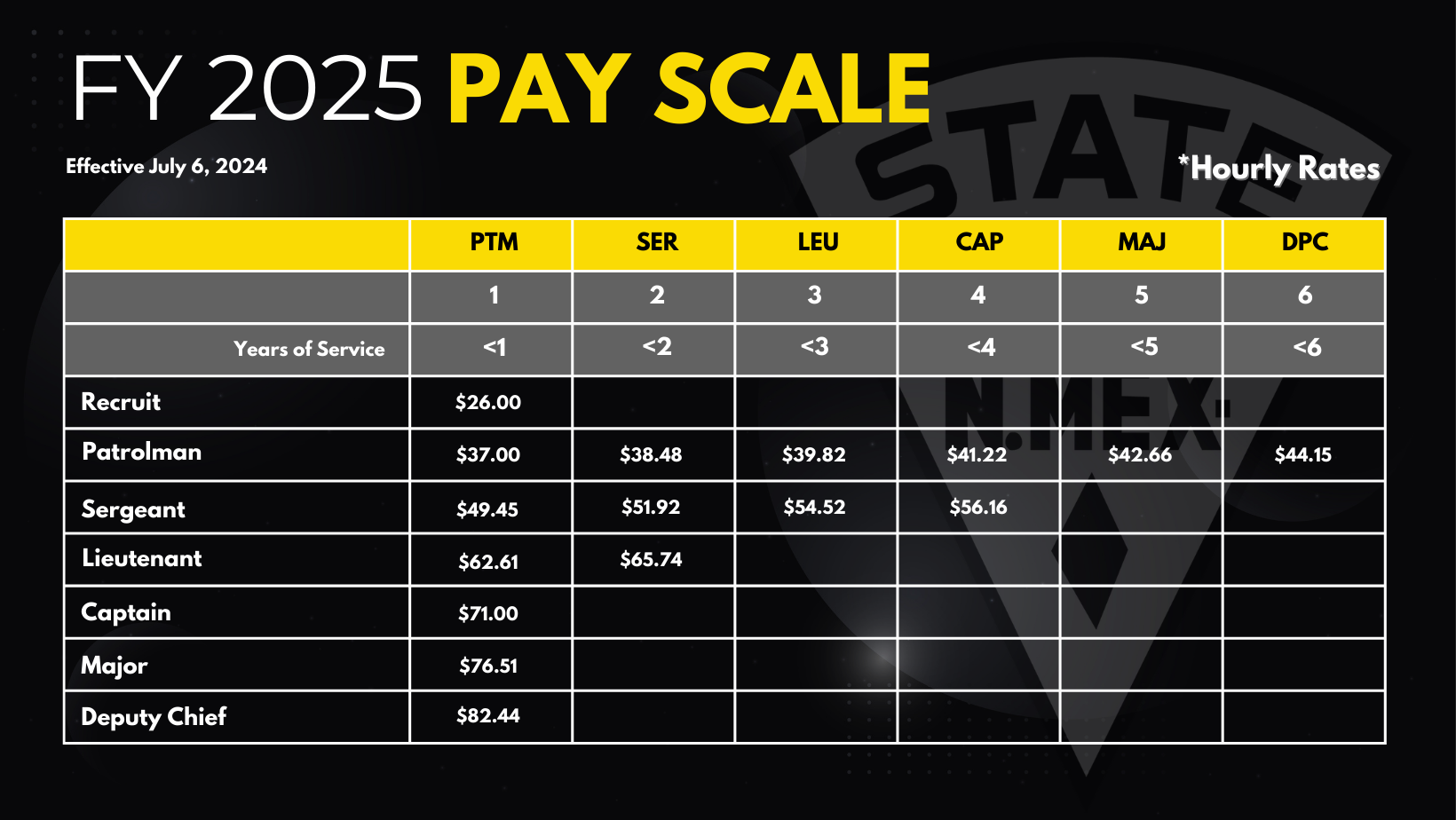
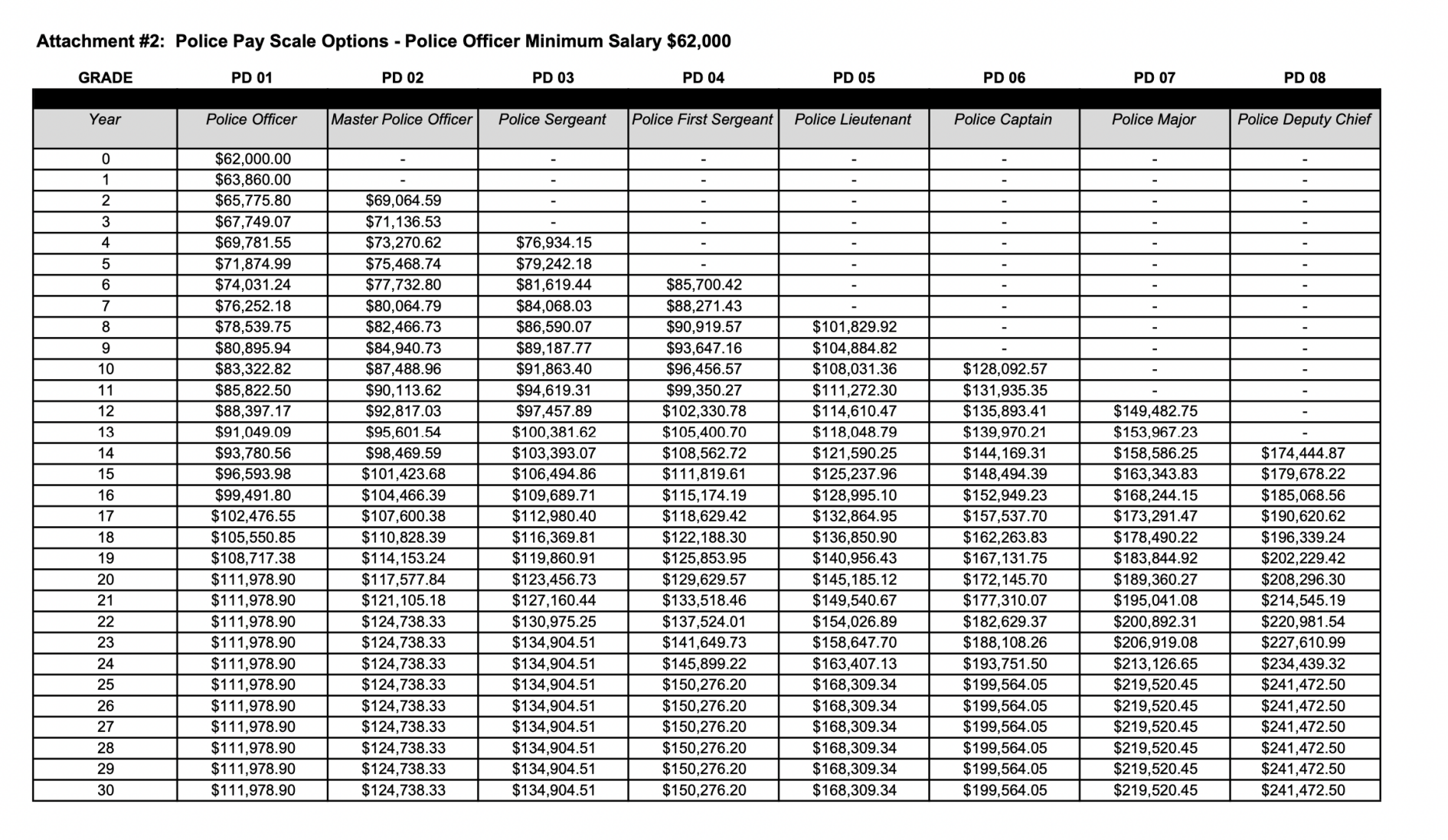
But here’s the kicker: that average? It’s just a starting point. It doesn't tell the whole story. Think about a brand-new rookie versus a seasoned detective with 20 years under their belt. Big difference, right? Of course, there is! Pay scales are usually structured like a ladder, and you gotta climb it. Most police departments have what they call a pay scale, and it’s all about your years of service. The longer you’re on the force, the more you earn. It’s a reward for sticking it out, for gaining that experience, for not… well, for not getting too jaded. Or maybe for getting just the right amount of jaded.
Must Read
And it's not just about time. Your rank matters too. Are you just a patrol officer, or have you climbed your way up to sergeant, lieutenant, or even chief? Each step up the ladder usually comes with a nice bump in your paycheck. It’s like leveling up in a video game, but with actual real-world consequences. And let's be honest, some of those ranks come with a whole lot more responsibility, and maybe a few more gray hairs. Who wouldn't want to be paid for that extra stress?
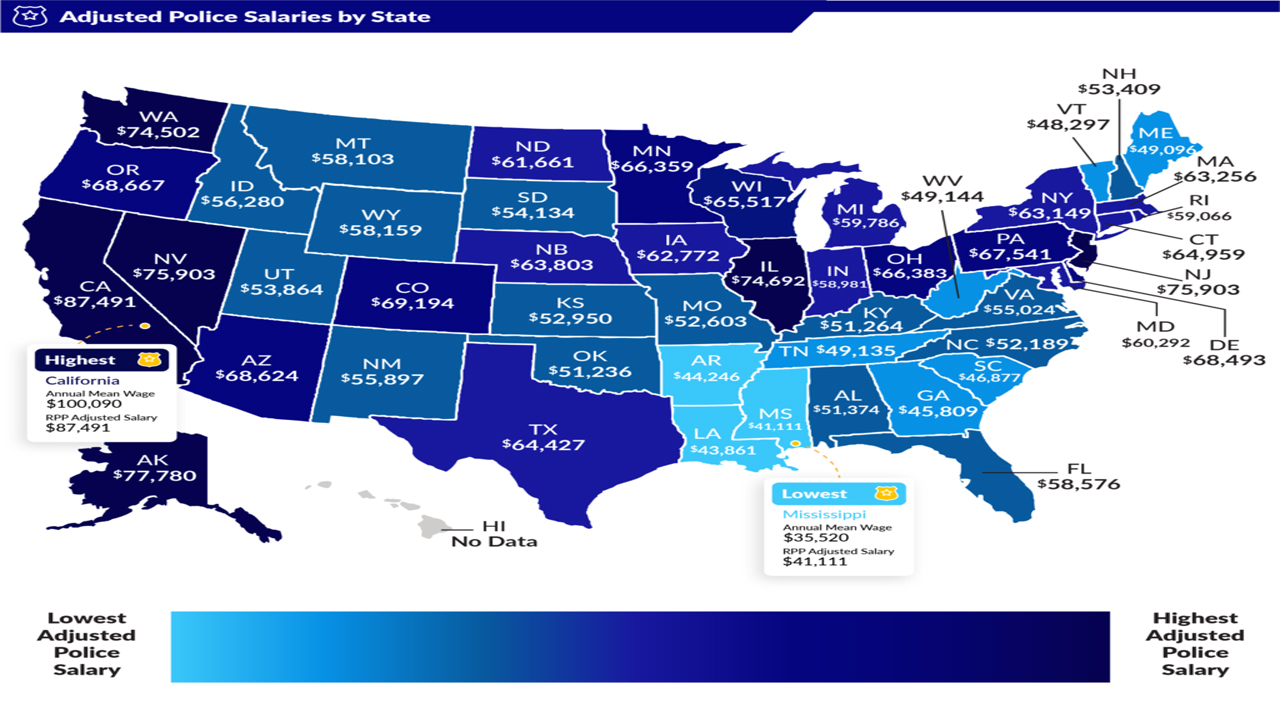
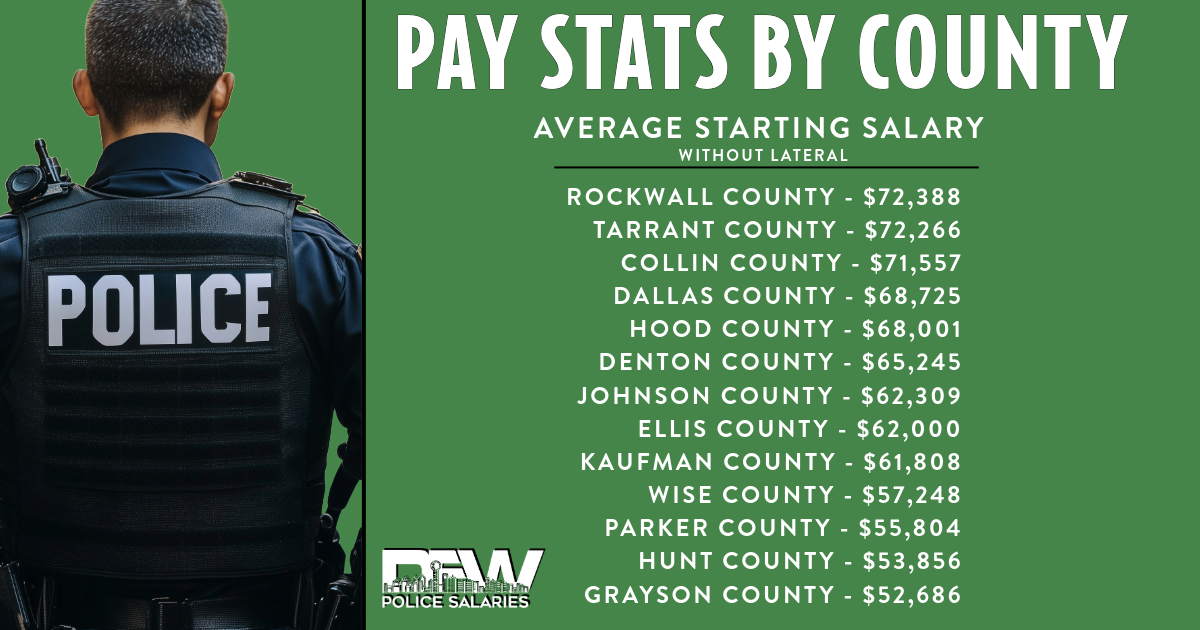
Location, location, location! This is a HUGE factor. Where you choose to patrol can make a massive difference. A cop in New York City or Los Angeles? They're likely earning a whole lot more than someone in a tiny rural town. Think about the cost of living, right? Rent in Manhattan is not exactly pocket change. So, naturally, the salaries in those high-cost areas have to be higher to attract and retain officers. It’s supply and demand, but with a badge and a siren. Wouldn't you want more dough if you were dodging yellow cabs and tourists all day?
So, while $67,000 might be the average, depending on your city, your department, your rank, and how long you've been doing this gig, your actual paycheck could be significantly different. It’s a spectrum, a glorious, complex, sometimes frustrating spectrum. It’s not a one-size-fits-all kind of deal, that’s for sure.

Now, let’s talk about something that’s really important, and often overlooked when we’re just looking at the base salary. We’re talking about hazard pay or special duty pay. This is where things get interesting, and where cops can actually see their paychecks grow beyond the standard scale. Because let’s face it, being a police officer isn’t exactly a walk in the park. It can be… challenging. To say the least. Sometimes it's more like a sprint through a minefield.
What kind of hazards are we talking about? Well, think about the jobs that are inherently more dangerous. Are there officers who work in high-crime areas, dealing with situations that are, shall we say, a little more tense? Or maybe they’re part of specialized units, like SWAT teams or K-9 units. Those jobs come with a different level of risk, a different kind of adrenaline rush, and often, a different kind of paycheck. It’s not just about being on the street; it’s about the kind of street you're on.
Some departments will offer extra pay for officers who are working in particularly hazardous environments. This could include things like working in areas with a high incidence of violent crime, or dealing with specific types of incidents like hazmat situations or riot control. It's a way for the department to acknowledge the increased risk these officers are facing. It's like hazard pay for, you know, actual hazards. Who knew?
Then there are the specialty assignments. Think about the guys and gals who are part of the bomb squad. Or the ones who are trained to handle hostage negotiations. Or the officers who are working undercover. These aren’t your typical patrol duties, are they? They require specialized training, a different skillset, and often involve situations that are significantly more dangerous. So, it makes sense that these roles would come with some extra compensation. It’s like getting paid more to be the superhero, but with less spandex and more bulletproof vests.
Some departments also have programs that offer additional pay for specific certifications or skills that an officer might possess. This could be anything from advanced medical training to expertise in a foreign language. It’s all about recognizing the value that these specialized skills bring to the department. Because in certain situations, having an officer who can speak fluent Spanish or who’s a whiz with a defibrillator can be invaluable. Like a secret weapon, but with a uniform. And probably a much better pension.
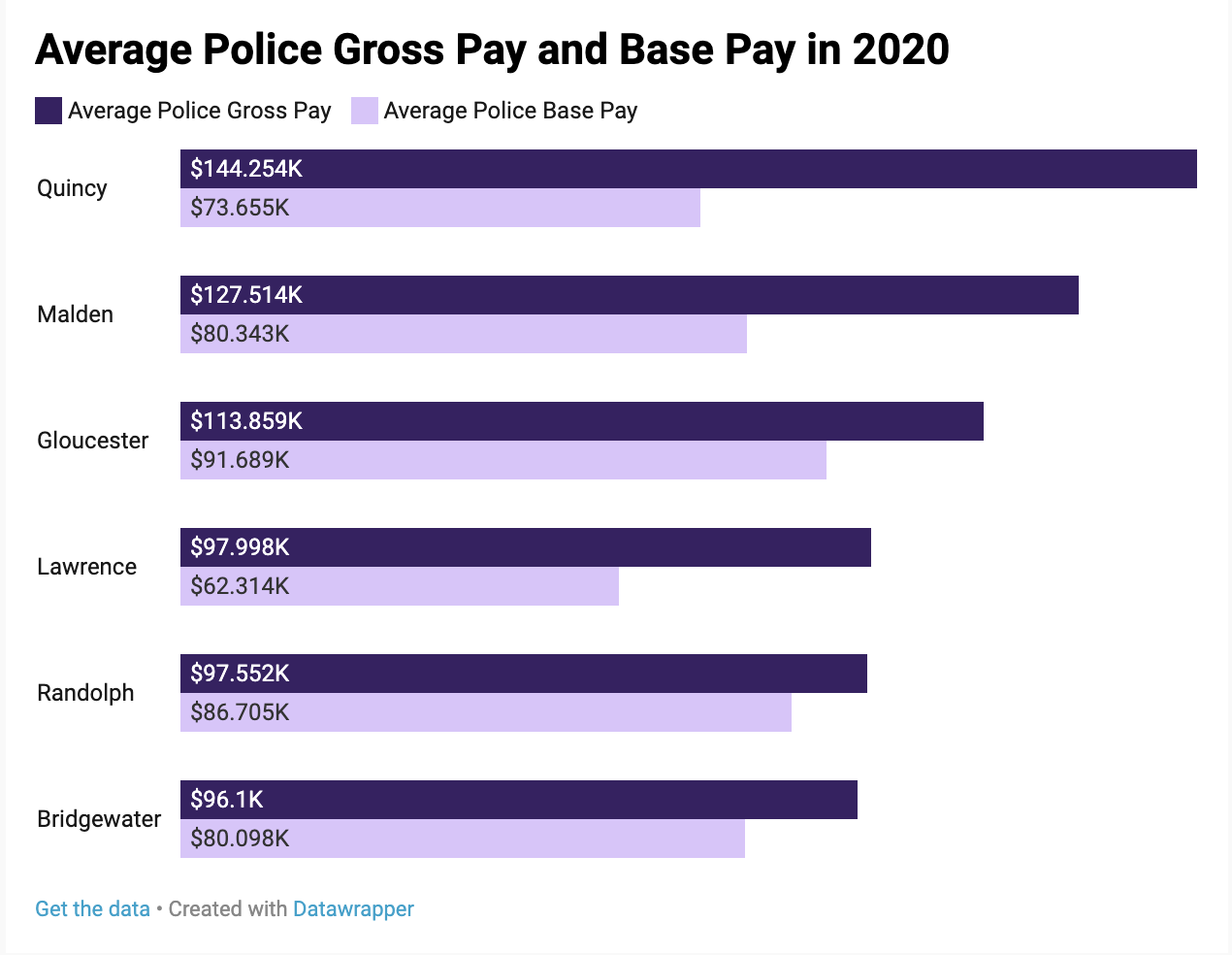
So, while the base salary is one thing, these hazard and specialty pay benefits can really add up. They're a crucial part of understanding what an officer’s total compensation package looks like. It’s not just the base; it’s the extras, the recognition for the extra grit and the extra danger. It’s the cherry on top of the already pretty important sundae that is their job.
And now, my friends, let’s dive into the glorious, often exhausting, world of overtime. Ah, overtime! The siren song of extra cash. For police officers, overtime isn't just a nice bonus; it can be a pretty significant chunk of their earnings. Because, let’s be honest, crime doesn’t exactly punch a clock, does it? It’s a 24/7 operation, and sometimes, the police force has to be too.
When do officers work overtime? Oh, pretty much any time something unexpected happens. Think about major crime scenes that stretch for hours. Or large-scale events, like parades, festivals, or even protests, where a significant police presence is required. These are often planned, but they can also extend beyond a standard shift. And then there are the unplanned events, the ones that pop up out of nowhere and demand immediate attention. You know, the stuff that makes you go, "Wow, that was a shift."
Court appearances are another big one. Officers often have to appear in court to testify about cases they’ve worked on. This can happen on their day off, or it can extend their workday well beyond its scheduled end. Nobody wants to go to court when they could be, you know, sleeping. So, they get compensated for that. It’s only fair, right? Being a witness is a job in itself, and it takes time away from other things.
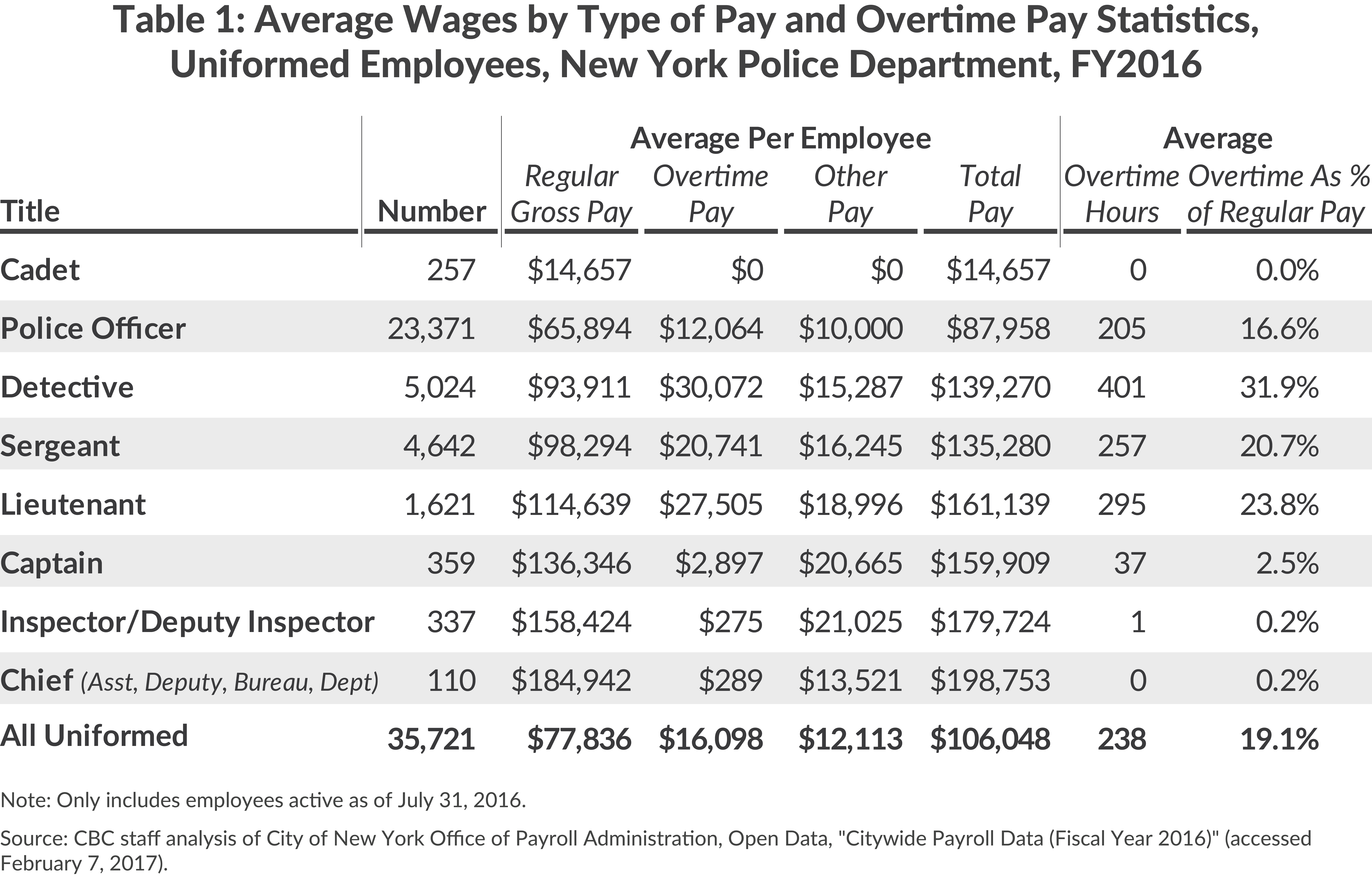
Special details are also a huge contributor to overtime. This could be anything from providing security at a local sporting event to working a detail for a dignitary who’s visiting the city. These are often paid for by the entity requesting the security, but the officers working them are usually compensated at an overtime rate. It’s like getting paid to watch a game, but with a lot more responsibility and a lot less popcorn. And probably a much better view than the regular fans.
The rate at which officers get paid for overtime also varies. Often, it’s time-and-a-half, meaning they earn 1.5 times their regular hourly rate. In some cases, it can even be double-time, especially for holidays or particularly grueling shifts. So, if an officer is making, say, $30 an hour regularly, overtime could bump that up to $45 or even $60 an hour. That’s a pretty nice incentive to stick around when things get hectic. Who wouldn't want that?
However, there’s a flip side to all that overtime. While it can boost income, it can also lead to burnout. Working extended hours, day after day, week after week, can take a serious toll on a person's physical and mental health. They might miss out on family time, personal hobbies, or even just a decent night's sleep. It's a trade-off, a delicate balance between earning potential and well-being. It’s like running a marathon every single day, but without the cool medal at the end. Unless the medal is extra cash, in which case, carry on!
So, when you’re thinking about police officer salaries, remember it's not just about that base number. It’s about the whole package: the base pay, the experience, the rank, the location, those sweet hazard and specialty pays, and yes, the often substantial overtime earnings. It’s a complex financial puzzle, and each piece plays a vital role in painting the full picture of what it means to be a law enforcement officer, financially speaking. And hopefully, now you feel a little more in the loop, like we just finished a really informative coffee chat. Cheers!