Occupational Therapy Guide: How To Become An Ot Professional
Melissa Weber
Ever wondered what goes on behind the scenes to help people get back to doing the things they love? You know, those everyday activities that make life awesome? Like tying your shoes, cooking a yummy meal, or even just enjoying a good book? Well, get ready to meet some seriously cool superheroes. They’re called Occupational Therapists, or OTs for short!
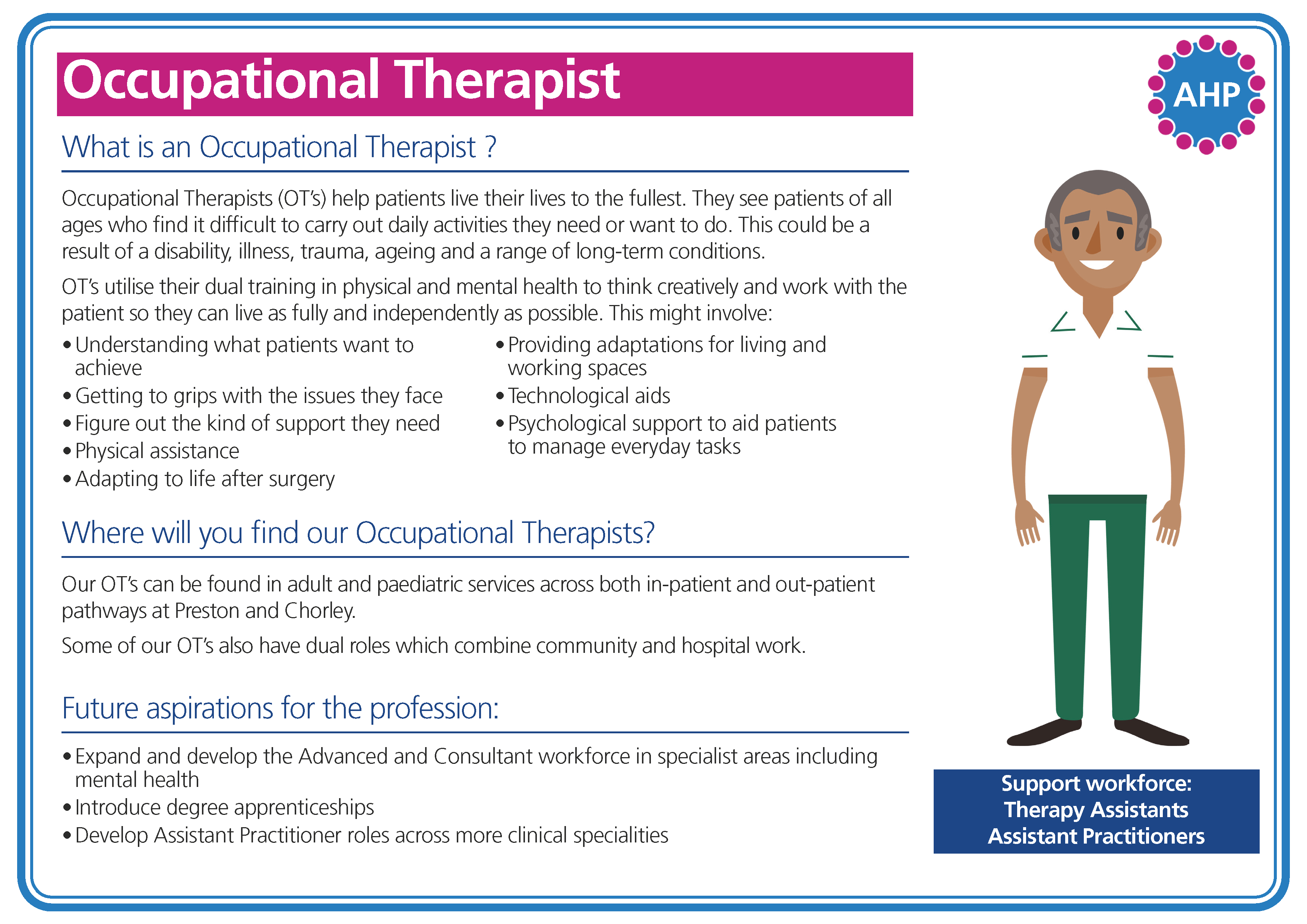
These amazing professionals are like detectives of daily life. They figure out what makes everyday tasks tricky for someone and then come up with super-smart, often super-fun, ways to make them easier again. It’s not just about fixing things; it’s about unlocking potential and bringing back independence. Think of it as a blend of science, creativity, and a whole lot of heart.
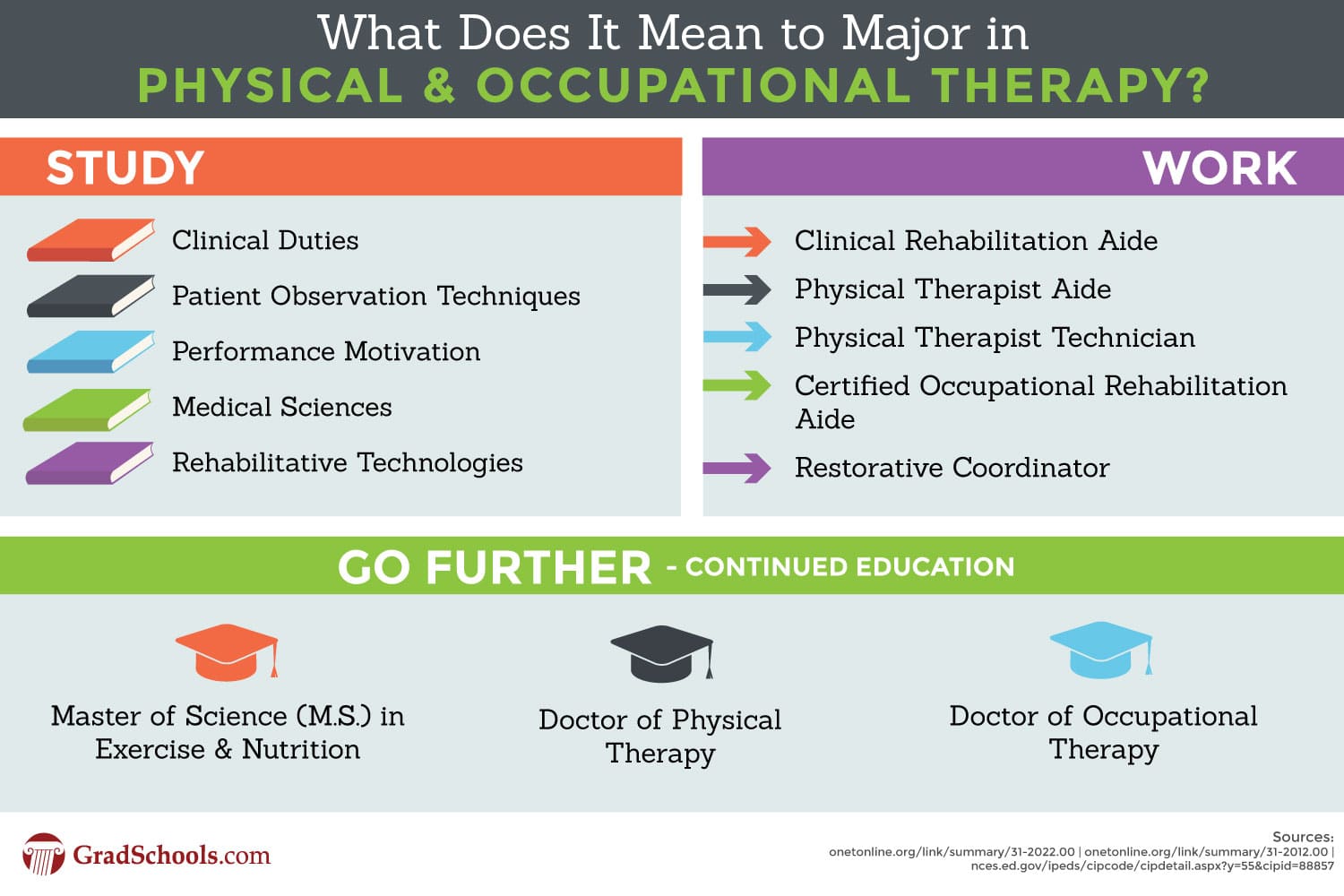
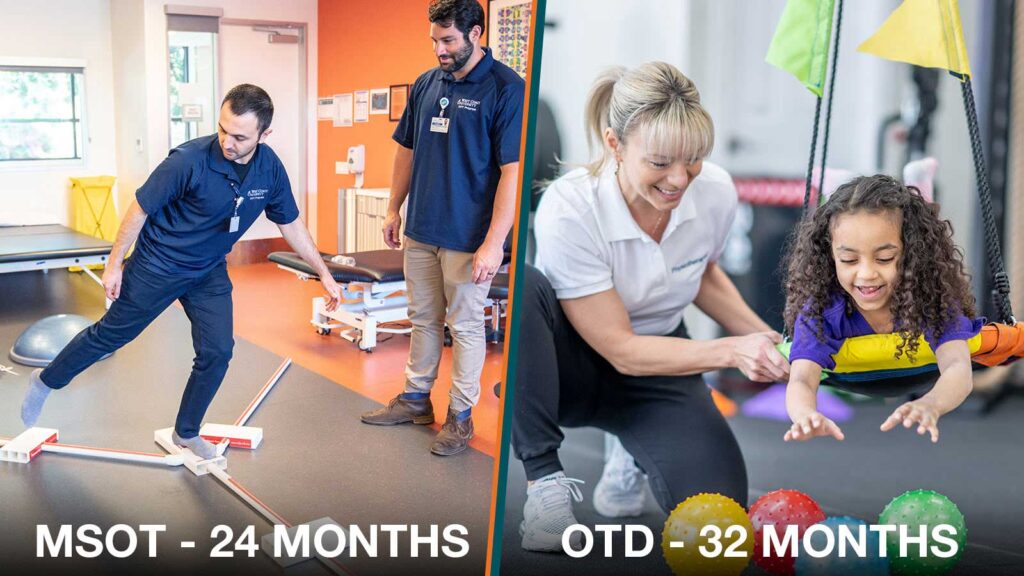
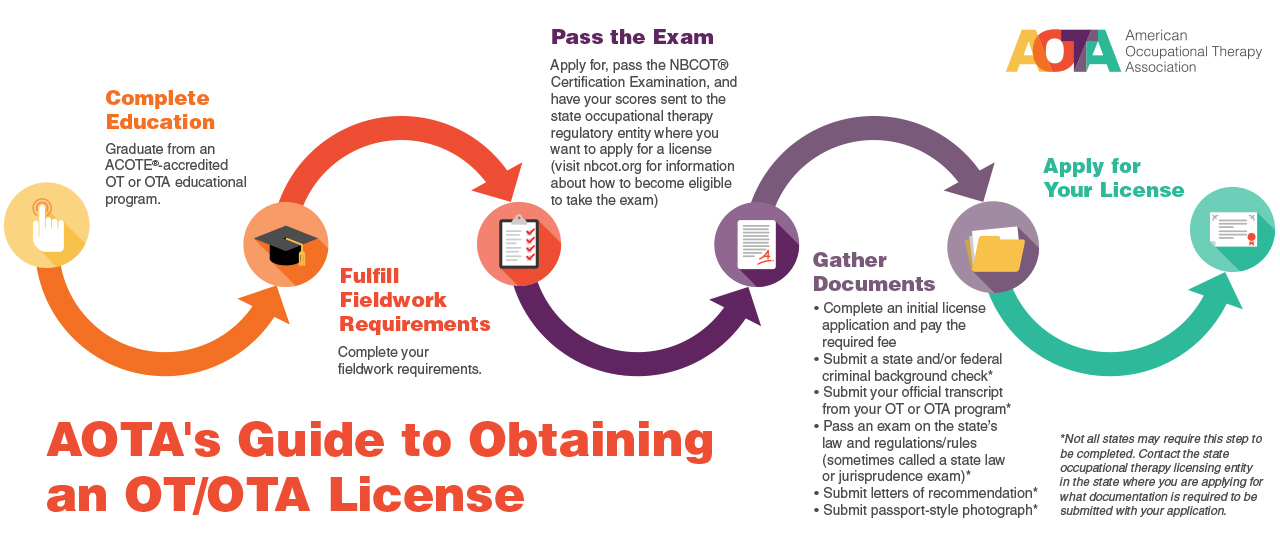
So, how do you become one of these everyday life champions? It’s a journey, but a really rewarding one. First off, you'll need to set your sights on getting a degree. That means heading off to college and diving into an Occupational Therapy program. These programs are designed to give you all the knowledge and skills you'll need to be an awesome OT.
You’ll learn about the human body – how it works, what happens when things go wrong, and how to help it heal and adapt. You'll get hands-on experience with all sorts of tools and techniques. But it’s not all textbooks and lectures. A huge part of your training will involve actually working with people. These are called clinical internships or fieldwork experiences.
Imagine spending time in a hospital, helping someone recover after an injury. Or perhaps you'll be in a school, working with kids who have challenges with handwriting or paying attention. Maybe you'll even be in a community setting, assisting adults with disabilities to live more independently. These experiences are where the real magic happens. You get to see firsthand how OT makes a difference, and you get to practice your skills in real-world situations.
Best Ot Schools in Florida: Top-Ranked Programs for Your Future
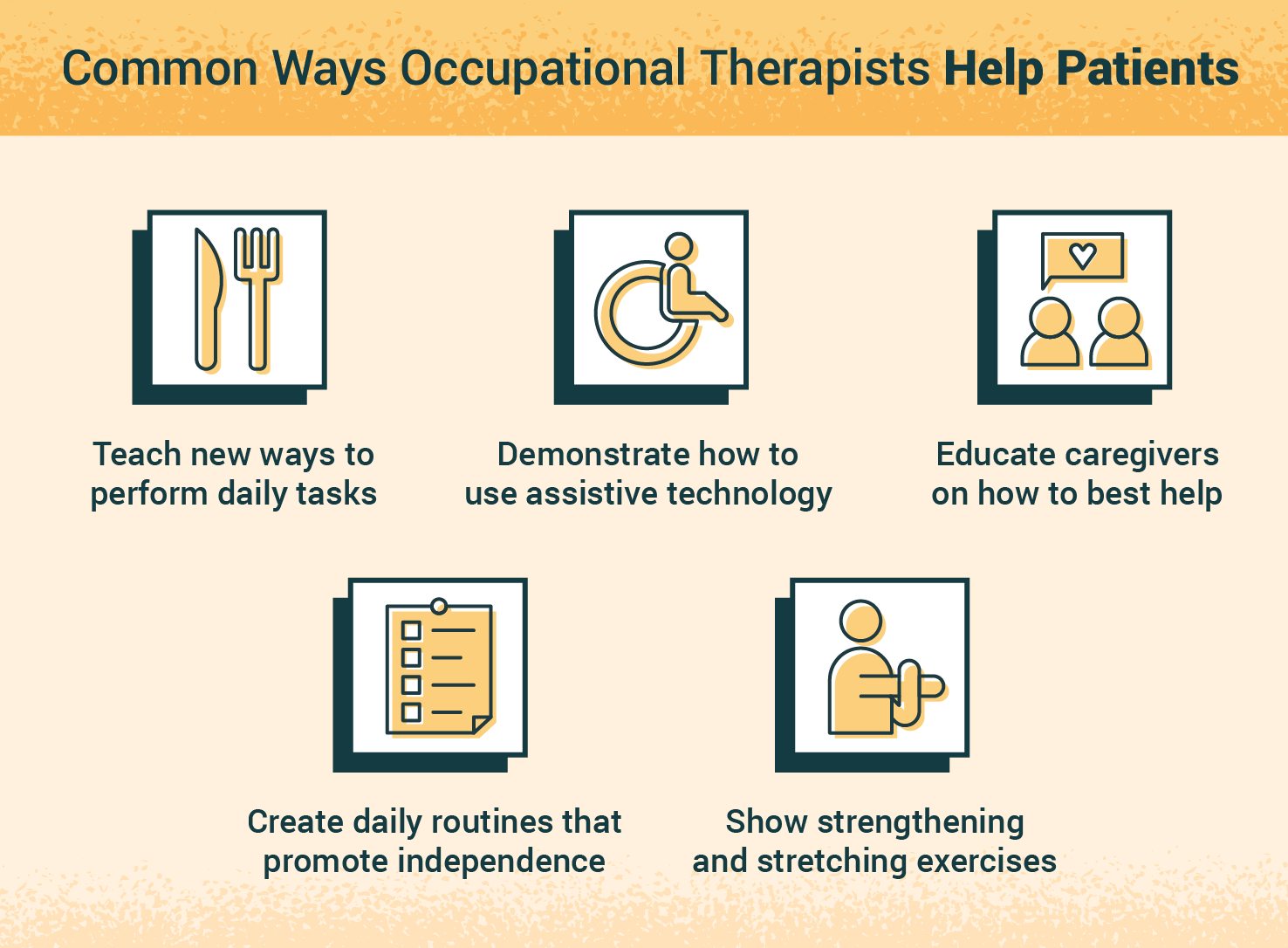
It’s like being a kid again, but with a purpose! You get to play games, use cool gadgets, and get creative. For example, an OT might work with a child who struggles to hold a pencil. Instead of just saying "try harder," they might create a special grip, or even design a game where holding the pencil is part of the fun. Or they might help an older adult who finds it difficult to get dressed. They could come up with adaptive clothing or teach new techniques. It’s all about finding solutions that work for the individual.
One of the coolest things about occupational therapy is how varied it is. You can work with people of all ages, from tiny babies to wise elders. And you can work in so many different places! Hospitals are a big one, of course. But OTs also work in schools, nursing homes, rehabilitation centers, mental health facilities, and even in people’s homes. You could be helping a soldier recover from combat injuries one day, and the next, you might be assisting someone with a developmental disability to learn new life skills.
This variety means you're never bored. Each person you meet has a unique story and unique challenges. Your job is to listen, understand, and then craft a plan that's as individual as they are. It's incredibly fulfilling work. You're not just treating a condition; you're helping someone reclaim their life, their dignity, and their ability to participate in what matters most to them.
How to Become an Occupational Therapist - Benefits & Job Opportunities
After you’ve finished your degree and your internships, there’s usually one more step to becoming a fully-fledged OT: a licensing exam. This exam ensures that you have the foundational knowledge and skills to practice safely and effectively. Once you pass that, congratulations! You’re ready to embark on your career as an Occupational Therapist.
What makes OT so special? It’s that focus on occupation. And in OT, occupation isn’t just about jobs. It’s about all the meaningful activities that fill our days. It’s about your hobbies, your roles in your family, your ability to care for yourself, and your connection to your community. OTs help people overcome barriers that prevent them from doing these things. It’s deeply personal and incredibly impactful work.
How to Become an Occupational Therapist – Career Sidekick
Think about it: who doesn't want to be able to do the things they love? Whether it's playing with their kids, pursuing a passion project, or simply being able to live independently, these are fundamental aspects of a happy and fulfilling life. Occupational therapists are the people who empower individuals to achieve these goals.
If you're someone who enjoys problem-solving, has a natural empathy for others, and loves finding creative solutions, then occupational therapy might just be your perfect fit. It’s a career that offers endless opportunities for growth, learning, and making a genuine, positive impact on people's lives. So, if you’ve ever felt a calling to help others shine, to unlock their potential, and to make everyday life a little bit brighter, maybe it’s time to explore the amazing world of occupational therapy.
It's a path filled with purpose, creativity, and the incredible reward of seeing someone's life change for the better, one meaningful activity at a time.
Good Ot Schools | School Activities
You’ll be learning how to adapt environments, introduce new strategies, and even use specialized equipment to make life easier. For instance, imagine someone with arthritis struggling to open jars. An OT might introduce them to adaptive jar openers or teach them specific hand exercises to build strength and dexterity. It’s practical, it’s empowering, and it’s all about enabling people to live their lives to the fullest.
The learning doesn't stop after you get your license. The field of occupational therapy is always evolving. New research emerges, new technologies are developed, and new understanding of human function is gained. This means OTs are lifelong learners, constantly updating their skills and knowledge to provide the best possible care. You’ll have opportunities for continuing education, specialized certifications, and even advanced degrees if you want to delve deeper into a particular area.
So, if you're looking for a career that's challenging, rewarding, and makes a real difference, consider becoming an occupational therapist. It's a chance to be a part of something truly special, a profession dedicated to helping people live their best lives, every single day.






![How to Become an Occupational Therapist [2025 OT Guide]](https://www.mydegreeguide.com/wp-content/uploads/2023/05/how-to-become-an-occupational-therapist.jpg)