Occupational Therapist Guide: Licensure And Clinical Practice Areas
Ever wonder what magical folks help people get back to doing what they love after an injury or illness? Yep, we're talking about the superheroes in disguise known as Occupational Therapists, or OTs for short! These brilliant minds aren't just handing out nice puzzles; they're crafting pathways back to independence and joy.
But how does one become one of these incredible helpers? Well, it's not as simple as wishing on a star, though a little bit of that starry-eyed determination certainly helps! It all starts with a journey, a path paved with learning and, crucially, getting the green light to practice. Think of it like getting your driver's license, but for helping people reclaim their lives. And that, my friends, is where licensure comes in!
So, what's this "licensure" all about? Imagine you’ve baked the most amazing cake in the world. You’re super proud, right? But before you can sell it at the fancy bakery, you need a permit from the city to make sure it’s safe and delicious for everyone. Licensure for OTs is kind of like that permit, but way cooler and a lot more important.
Must Read
It's basically a stamp of approval from the government that says, "Hey, this person knows their stuff! They've got the skills, the knowledge, and the heart to be a top-notch Occupational Therapist." Without it, you wouldn't be allowed to officially help people with their everyday activities. It's like trying to be a rockstar without being able to plug in your guitar – just wouldn't work!
To get this coveted license, aspiring OTs embark on a grand quest. This usually involves getting a special degree, typically a Master's or Doctorate, from an accredited university. We're talking years of intense study, diving deep into the human body, how we move, and what makes us tick. They learn all about different conditions, how to assess needs, and, most importantly, how to create personalized plans that are as unique as a snowflake.
Once they've conquered the academic mountains, there’s a big, often intimidating, test. This is the NBCOT exam, the ultimate boss battle in the OT world. Passing this means they’ve proven they have the knowledge to handle pretty much anything thrown their way. It’s a tough nut to crack, but those who triumph emerge victorious, ready to serve!
And then, the magic happens! After passing the exam and meeting any state-specific requirements (because every state has its own little quirks, like a secret handshake!), they officially receive their license. Now they’re ready to step out into the world and begin their incredibly rewarding work in various clinical practice areas.
So, Where Do These Amazing OTs Work Their Magic?
The beauty of occupational therapy is its incredible versatility. OTs are not confined to just one corner of the healthcare universe. They are like the Swiss Army knives of therapy, able to adapt and excel in a dizzying array of settings.
The Hospital Hustle
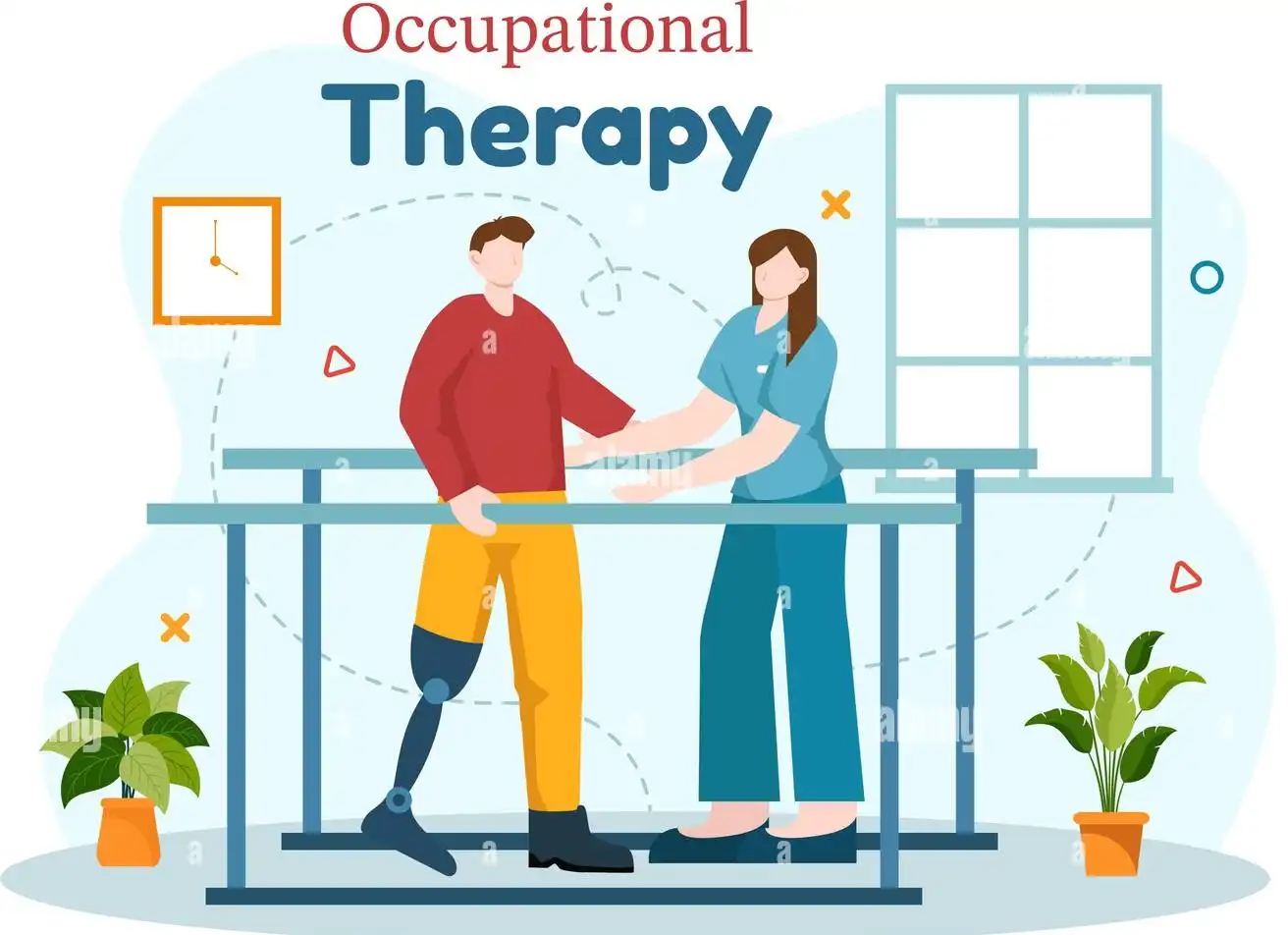
One of the most common places you'll find our OT heroes is in hospitals. Imagine someone has had a surgery, like a new hip or a tricky shoulder repair. They might be feeling a bit wobbly, unsure of how to even get out of bed or brush their teeth. Enter the OT, with their calm demeanor and expert guidance.
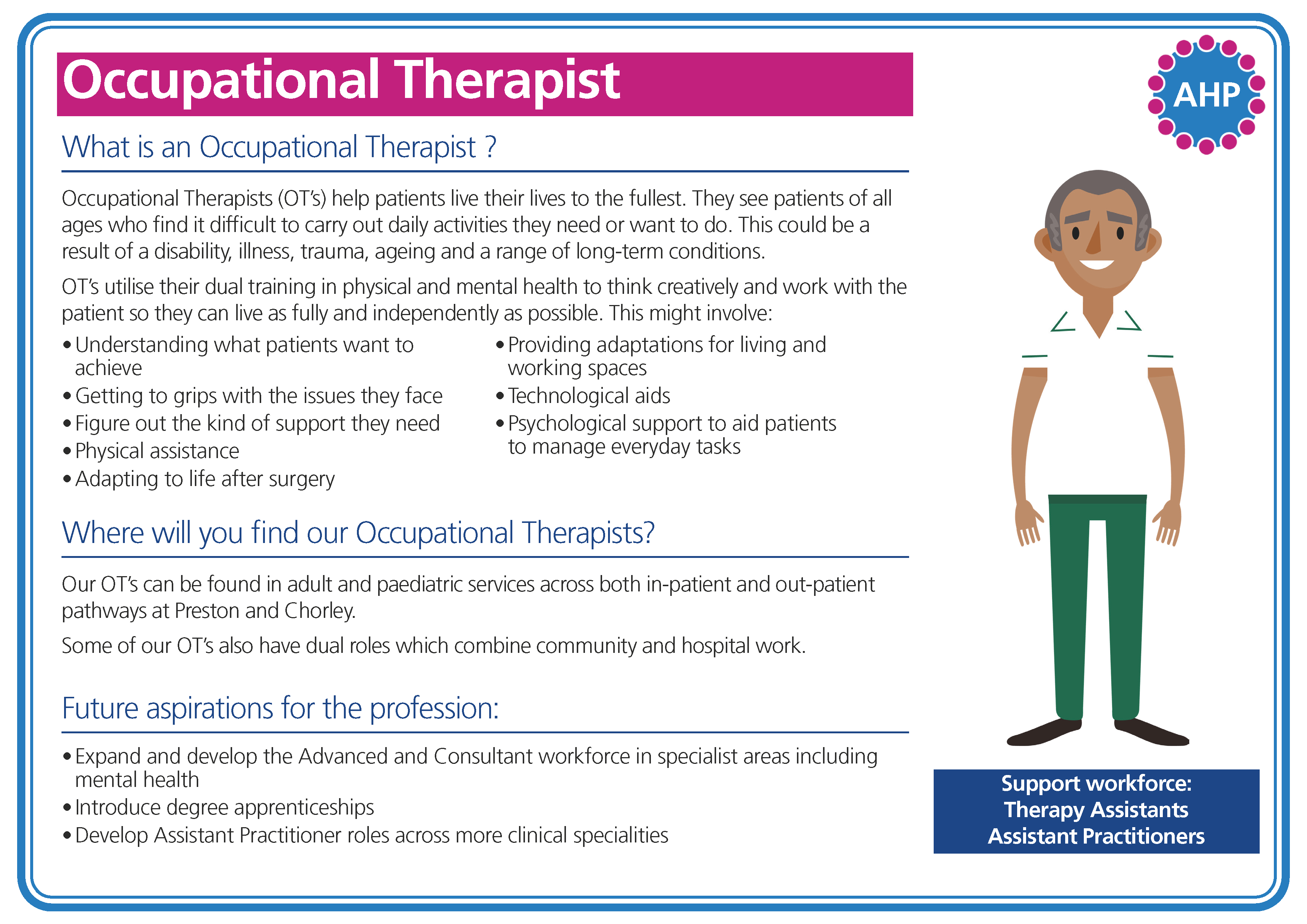
They'll help patients relearn everyday tasks, from dressing themselves to safely navigating their home. Think of it as a personalized "get back to life" bootcamp, tailored specifically for each person. They might even suggest clever tools, like long-handled shoehorns or special grippers, to make life easier. It’s all about restoring independence, one small victory at a time!
Rehab's Rocky Road
Then there are the rehabilitation centers. These are the places where people go after a stroke, a serious accident, or to recover from debilitating illnesses. The challenges here can be immense, and OTs are absolutely vital in helping individuals regain lost functions.
They work with people to improve their motor skills, their cognitive abilities, and their emotional well-being. It’s a marathon, not a sprint, and the OTs are there cheering them on every step of the way. They celebrate the small wins, like being able to feed oneself or hold a conversation with clarity, because they know how monumental these achievements are.

The Schoolyard Squad
Did you know OTs also rock it in schools? Yep! They help children with a wide range of challenges, from learning difficulties and developmental delays to sensory processing issues. They might help a child who struggles to hold a pencil learn to write, or assist a student who feels overwhelmed by the noisy classroom to find strategies to focus.
These OTs are often the unsung heroes who help kids feel more confident and capable in their school environment. They help create a more inclusive space where every child has the chance to shine. It’s all about unlocking potential and making sure every student feels supported and understood.
Community Crusaders
Beyond the traditional settings, OTs are also making waves in the community. This can include working with individuals in their homes, at community centers, or even in specialized programs. They might be helping an elderly person adapt their home to stay independent, or supporting someone with a mental health condition to re-engage with social activities.

This area is all about meeting people where they are and helping them thrive in their everyday lives. It's about empowering individuals to live their lives to the fullest, on their own terms. They are the champions of participation and inclusion, ensuring everyone has a seat at the table.
The Mental Health Mavens
And let's not forget the incredible work OTs do in mental health settings. They help individuals cope with stress, anxiety, depression, and other mental health conditions by focusing on meaningful activities that promote well-being and recovery. This could involve anything from learning stress-management techniques to developing social skills and engaging in enjoyable hobbies.
These OTs are master facilitators, guiding people to rediscover their passions and build resilience. They understand that engaging in purposeful activities is a powerful form of therapy, helping to rebuild a sense of self and hope. It’s about finding that spark again and fanning it into a flame.
So, you see, the world of occupational therapy is vast and exciting! From the high-octane environment of a hospital to the quiet encouragement in a classroom, OTs are on the front lines, making a real difference in people's lives. They are the architects of everyday living, helping us all to get back to the things that matter most, with skill, compassion, and a whole lot of heart. And that, my friends, is truly something to celebrate!