How To Prepare For Anal Sex

When it comes to preparing for anal sex, there are several key factors to consider in order to ensure a safe, enjoyable, and healthy experience for all parties involved. At its core, anal sex involves the stimulation of the anus, which is rich in nerve endings and can be a source of great pleasure when properly cared for. However, improper preparation and inadequate understanding of the anatomy and physiology involved can lead to discomfort, pain, and even injury. It's essential to approach this topic with a data-driven and pragmatic mindset, focusing on optimization and life hacks that can enhance the experience while minimizing risks.
A fundamental aspect of preparing for anal sex is understanding the muscular structure of the anus, including the external and internal anal sphincters. These muscles play a crucial role in controlling the passage of feces and, during anal sex, can significantly impact the comfort and pleasure derived from the experience. The relaxation of these muscles is key to successful and enjoyable anal sex, as tension can lead to pain and discomfort. Moreover, the microbiome of the anus, comprising a complex community of bacteria, is another critical factor to consider, especially in terms of hygiene and the prevention of infections.
From a biological standpoint, the anus and rectum are not self-lubricating, unlike the vagina, which means that external lubrication is necessary to reduce friction and prevent tearing of the delicate tissues. This requirement underscores the importance of using high-quality lubricants specifically designed for anal sex, as they are formulated to be gentle on the skin while providing the necessary slip to facilitate smooth penetration. Additionally, the psychological aspect of anal sex should not be overlooked, as mental preparation, trust, and communication between partners are vital components of a positive and enjoyable experience.
Must Read
Understanding the Biology and Chemistry
Delving deeper into the biology of anal sex, it's crucial to understand the mucosal lining of the rectum, which is thinner and more susceptible to irritation and injury compared to the vaginal mucosa. This sensitivity necessitates gentle care and the use of products that are specifically designed to be compatible with the rectal mucosa. Furthermore, the chemistry of anal sex involves the interaction between bodily secretions, lubricants, and any condoms or sex toys used, highlighting the need for careful selection of products to avoid adverse reactions or allergies.
The pH balance of the anus and rectum is another factor to consider, as disruptions can lead to infections or discomfort. Maintaining a healthy balance through diet, hygiene, and the judicious use of products can contribute significantly to the overall health and pleasure derived from anal sex. The role of hormones should also be acknowledged, as they can influence mood, arousal, and the physical response to sexual stimulation, including anal sex.
In terms of systemic reactions, anal sex can have broader implications for overall health, particularly concerning the potential for infections if proper precautions are not taken. Understanding the risks and taking measures to mitigate them, such as using protection and practicing good hygiene, is essential for safe and healthy anal sex. Moreover, the immunological aspects of anal sex should not be overlooked, as the introduction of foreign substances into the body can trigger immune responses, emphasizing the importance of safer sex practices.
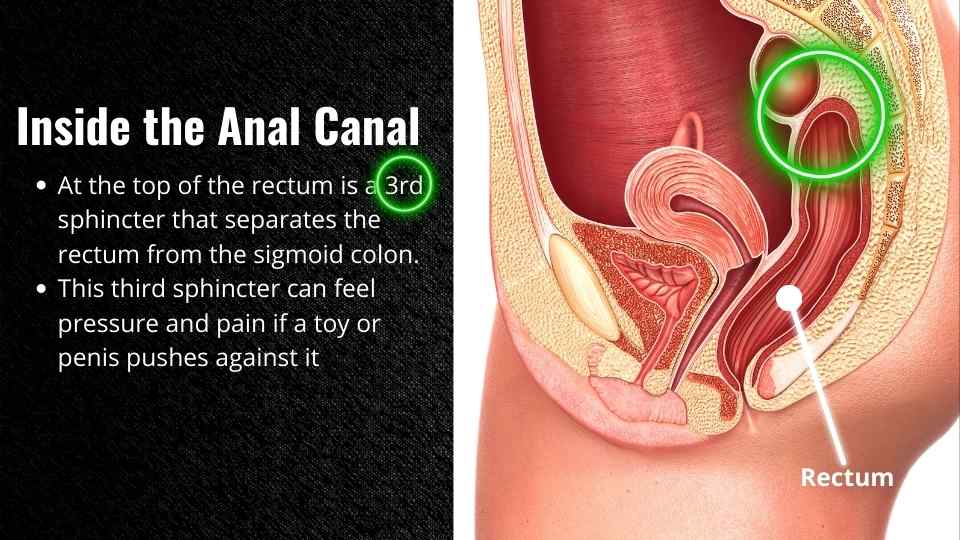
The neurological component of anal sex is also significant, as the anus is densely innervated with nerve endings that can transmit signals of pleasure or pain. The brain's interpretation of these signals can greatly influence the experience, highlighting the importance of mental preparation, relaxation, and communication with one's partner to optimize pleasure and minimize discomfort.
Mastering the Practice: Strategies and Life Hacks
To master the practice of anal sex, several strategies and life hacks can be employed. First and foremost, communication with one's partner is key, ensuring that both parties are comfortable and consenting. This communication should extend to discussions about boundaries, desires, and any concerns that may arise. Establishing a safe word or signal can also be beneficial, allowing for an immediate halt to activities if discomfort or pain becomes an issue.
Another critical aspect is preparation, which can involve dietary changes to reduce the risk of accidents, hygiene practices to maintain cleanliness, and the use of enemas or douching for some individuals, though this should be approached with caution and awareness of the potential risks to the rectal mucosa. The selection of appropriate lubricants and sex toys designed for anal use is also vital, considering factors such as material, size, and texture to ensure comfort and pleasure.

Furthermore, relaxation techniques can be highly beneficial, helping to reduce anxiety and tension that can make anal sex more difficult or uncomfortable. These techniques can include breathing exercises, meditation, or simply taking the time to ensure that both partners are relaxed and ready. The importance of patience cannot be overstated, as rushing into anal sex can lead to negative experiences. Instead, gradual progression, starting with smaller steps such as anal play or the use of smaller toys, can help build comfort and confidence.
Incorporating foreplay into the experience can also enhance pleasure and relaxation. This can involve a range of activities, from massage to oral sex, aimed at stimulating the body and mind, preparing them for the experience of anal sex. Additionally, positioning can play a significant role in comfort and control, with some positions allowing for deeper penetration or better control over the pace and intensity of the experience.
Frequently Asked Questions
What are the Most Common Mistakes People Make When Preparing for Anal Sex?
One of the most common mistakes people make when preparing for anal sex is the lack of proper communication and consent. Rushing into the experience without discussing boundaries, desires, and concerns can lead to discomfort, pain, or even trauma. Another mistake is the inadequate use of lubrication, which is essential for reducing friction and preventing injury to the delicate anal tissues. Furthermore, neglecting to prioritize hygiene and safe sex practices can increase the risk of infections and other health issues.

To avoid these mistakes, it's crucial to prioritize open and honest communication, ensure that both partners are fully consenting and prepared, and to take all necessary precautions to safeguard health and comfort. This includes the use of appropriate lubricants, condoms, and engaging in practices that minimize the risk of infection or injury. By being informed and taking a proactive approach, individuals can significantly enhance their anal sex experience, making it safer, more enjoyable, and more fulfilling for all involved.
How Can I Reduce Discomfort or Pain During Anal Sex?
Reducing discomfort or pain during anal sex involves several key strategies. Firstly, ensuring that the anus and surrounding areas are well-lubricated can significantly reduce friction and the risk of tearing. Choosing a high-quality lubricant that is gentle on the skin and compatible with any condoms or sex toys being used is essential. Secondly, relaxation is critical; tension in the anal sphincters can lead to pain, so practices such as deep breathing, progressive muscle relaxation, or warm baths can help reduce anxiety and physical tension.
Additionally, gradual progression is advisable, starting with smaller steps such as anal play or the use of smaller toys, and gradually increasing size or intensity as comfort and confidence grow. The position can also impact comfort, with some positions offering better control over penetration depth and pace. Communication with one's partner is vital, allowing for immediate feedback and adjustment if discomfort arises. Lastly, considering professional advice or guidance from a healthcare provider or sex therapist can provide personalized strategies and techniques to enhance the experience and minimize discomfort.

Are There Any Long-Term Health Risks Associated with Anal Sex?
The long-term health risks associated with anal sex can include infections, such as bacterial, viral, or parasitic infections, which can be more easily transmitted due to the nature of anal sex. The risk of STIs (Sexually Transmitted Infections) is higher if protective measures such as condoms are not used consistently and correctly. Moreover, the potential for anal trauma, including tears or fissures, exists if anal sex is not approached with caution and care, potentially leading to long-term issues such as chronic pain or anal incontinence.
To mitigate these risks, it's essential to practice safe sex, including the consistent and correct use of condoms, regular STI testing, and maintaining good hygiene practices. Being aware of one's body and the signs of potential issues, such as unusual discharge, pain, or bleeding, and seeking medical attention promptly if concerns arise, is also crucial. By taking these precautions and being informed, individuals can significantly reduce the risks associated with anal sex and enjoy a healthier and more fulfilling sexual life.
Respecting the science behind anal sex and approaching it with a mindset focused on optimization, safety, and mutual pleasure can have a profound impact on one's sexual health and wellbeing. By understanding the biology, chemistry, and physics involved, individuals can better navigate the complexities of anal sex, leading to more positive and enjoyable experiences. This informed approach not only enhances the sexual experience but also contributes to overall health and relationship satisfaction, fostering deeper connections and more fulfilling intimate lives.
In conclusion, the preparation for and practice of anal sex is a multifaceted topic that requires attention to biological, chemical, and systemic factors, as well as the implementation of practical strategies and life hacks to optimize the experience. By embracing a data-driven and pragmatic mindset, individuals can transform their understanding and practice of anal sex, moving towards a more empowered, healthy, and pleasurable engagement with their sexuality. This transformation is not merely about the physical act itself but also about the cultivation of respect, trust, and open communication, elements that are fundamental to any healthy and fulfilling sexual relationship.