How To Flirt With A Guy Over Text

Flirting with someone over text can be a daunting task, especially when you're unsure of how to initiate or maintain a conversation. However, by understanding the core mechanics of flirting and the science behind it, you can optimize your approach and increase your chances of success. Researchers have found that flirting is closely linked to the dopamine release in the brain, which is associated with pleasure and reward. This means that when we flirt, our brain is rewarded with a feel-good sensation, making us more likely to continue the behavior.
The key to successful flirting over text is to create a sense of mutual interest and playfulness. This can be achieved by using witty banter, teasing, and light-hearted jokes. By doing so, you can create a sense of rapport and connection with the other person, making them more likely to respond positively to your advances. Additionally, studies have shown that using emotional intelligence and active listening skills can also increase the effectiveness of flirting over text.
Another important aspect of flirting over text is to be authentic and genuine in your approach. Research has found that people are more likely to be attracted to someone who is confident and true to themselves, rather than someone who is trying to be someone they're not. By being authentic and genuine in your texts, you can create a sense of trust and vulnerability with the other person, making them more likely to open up and respond positively to your flirting.
Must Read
The Biology of Flirting
When it comes to flirting, biological factors play a significant role. Oxytocin, also known as the "love hormone," is released during social bonding activities, including flirting. This hormone helps to create a sense of attachment and connection with the other person, making us more likely to pursue a relationship. Additionally, testosterone levels also play a role in flirting, as they are associated with confidence and competitiveness.
The brain's reward system is also closely linked to flirting. When we receive a positive response to our flirting, our brain releases dopamine, which reinforces the behavior and makes us more likely to continue flirting. This is why it's essential to be responsive and engaging in your texts, as it can help to create a sense of mutual interest and excitement.
Evolutionary psychology also provides insights into the biology of flirting. According to this theory, flirting is an evolutionary adaptation that helps us to attract a mate and increase our chances of reproduction. By understanding the biological and evolutionary aspects of flirting, we can optimize our approach and increase our chances of success. For example, using humor and wit in our texts can help to showcase our intelligence and creativity, making us more attractive to potential partners.
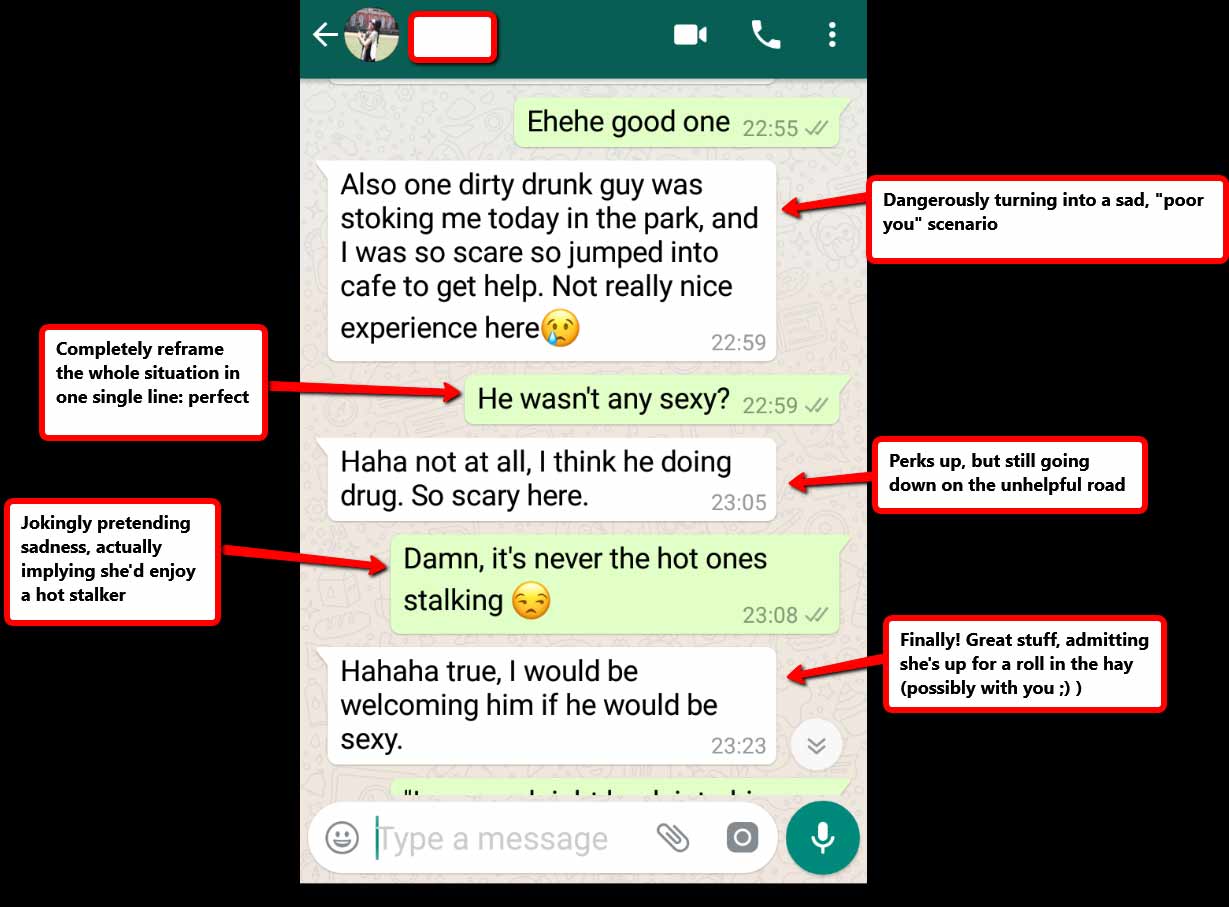
Furthermore, neuroscience research has also shed light on the neural mechanisms underlying flirting.
Mastering the Art of Flirting Over Text
To master the art of flirting over text, it's essential to have a clear strategy and action plan. This includes setting goals and identifying your target, as well as creating a sense of anticipation and excitement. By doing so, you can create a sense of mutual interest and connection with the other person, making them more likely to respond positively to your flirting.
Another key aspect of mastering the art of flirting over text is to be consistent and persistent. This means following up on your texts and keeping the conversation going, even if the other person doesn't respond immediately. By doing so, you can create a sense of anticipation and expectation, making the other person more likely to respond positively to your flirting.

Using emotional intelligence and active listening skills is also crucial when flirting over text. This includes paying attention to the other person's responses and showing empathy and understanding. By doing so, you can create a sense of trust and vulnerability with the other person, making them more likely to open up and respond positively to your flirting.
Additionally, using humor and wit in your texts can help to showcase your intelligence and creativity, making you more attractive to potential partners. This includes using sarcasm and irony, as well as making jokes and teasing the other person. By doing so, you can create a sense of playfulness and fun, making the other person more likely to respond positively to your flirting.
Frequently Asked Questions
What if the other person doesn't respond to my flirting?
If the other person doesn't respond to your flirting, it's essential to not take it personally and not get discouraged. Instead, try to analyze the situation and identify what went wrong. This includes checking your texts and making sure you're not coming on too strong, as well as considering the other person's perspective and showing empathy and understanding. By doing so, you can learn from your mistakes and improve your flirting skills for the next time.

Additionally, don't be afraid to try again and don't give up. Flirting is a numbers game, and it may take several attempts before you get a positive response. By being persistent and consistent, you can increase your chances of success and eventually get the response you're looking for. Remember to stay positive and focus on the present moment, rather than getting discouraged by past rejections.
How can I make sure I'm not coming on too strong?
To make sure you're not coming on too strong, it's essential to pay attention to the other person's responses and show empathy and understanding. This includes looking for signs of interest and engagement, such as responsive texts and initiating conversations. By doing so, you can gauge the other person's interest and adjust your approach accordingly.
Additionally, using humor and wit in your texts can help to showcase your intelligence and creativity, making you more attractive to potential partners. However, be sure to avoid being too pushy or aggressive, as this can be a major turn-off. Instead, focus on building a connection and creating a sense of mutual interest, making the other person more likely to respond positively to your flirting.

What if I'm not sure if the other person is interested?
If you're not sure if the other person is interested, it's essential to look for signs of interest and engagement. This includes responsive texts and initiating conversations, as well as asking open-ended questions and showing genuine interest in the other person. By doing so, you can gauge the other person's interest and adjust your approach accordingly.
Additionally, don't be afraid to ask for clarification and be direct about your intentions. This includes asking the other person if they're interested and being open to rejection. By being honest and transparent, you can avoid misunderstandings and create a sense of trust with the other person, making them more likely to respond positively to your flirting.
By respecting the science behind flirting, we can become better, more efficient humans. Understanding the biology and psychology of flirting can help us to optimize our approach and increase our chances of success. Additionally, using emotional intelligence and active listening skills can help us to build stronger connections and create more meaningful relationships. By being aware of our own emotions and needs, we can communicate more effectively and avoid misunderstandings, making us more attractive and appealing to others.
Furthermore, respecting the science behind flirting can also help us to avoid common pitfalls and overcome obstacles. By understanding the biological and evolutionary aspects of flirting, we can anticipate and prepare for potential challenges, making us more confident and self-assured in our approach. Additionally, using humor and wit in our texts can help to diffuse tension and create a sense of playfulness, making the other person more likely to respond positively to our flirting. By being open-minded and adaptable, we can learn from our mistakes and improve our flirting skills over time.