
From Zoonotic Spillover To Human Outbreak: The Path Of Ebola

So, you wanna know about the journey of Ebola from zoonotic spillover to human outbreak? Well, buckle up, friend, because we're about to take a wild ride! But don't worry, I'll try to keep it light and fun, like a walk in the park... without the whole "ebola-infested-monkeys-jumping-out-of-trees" thing.
The Starting Point: Zoonotic Spillover
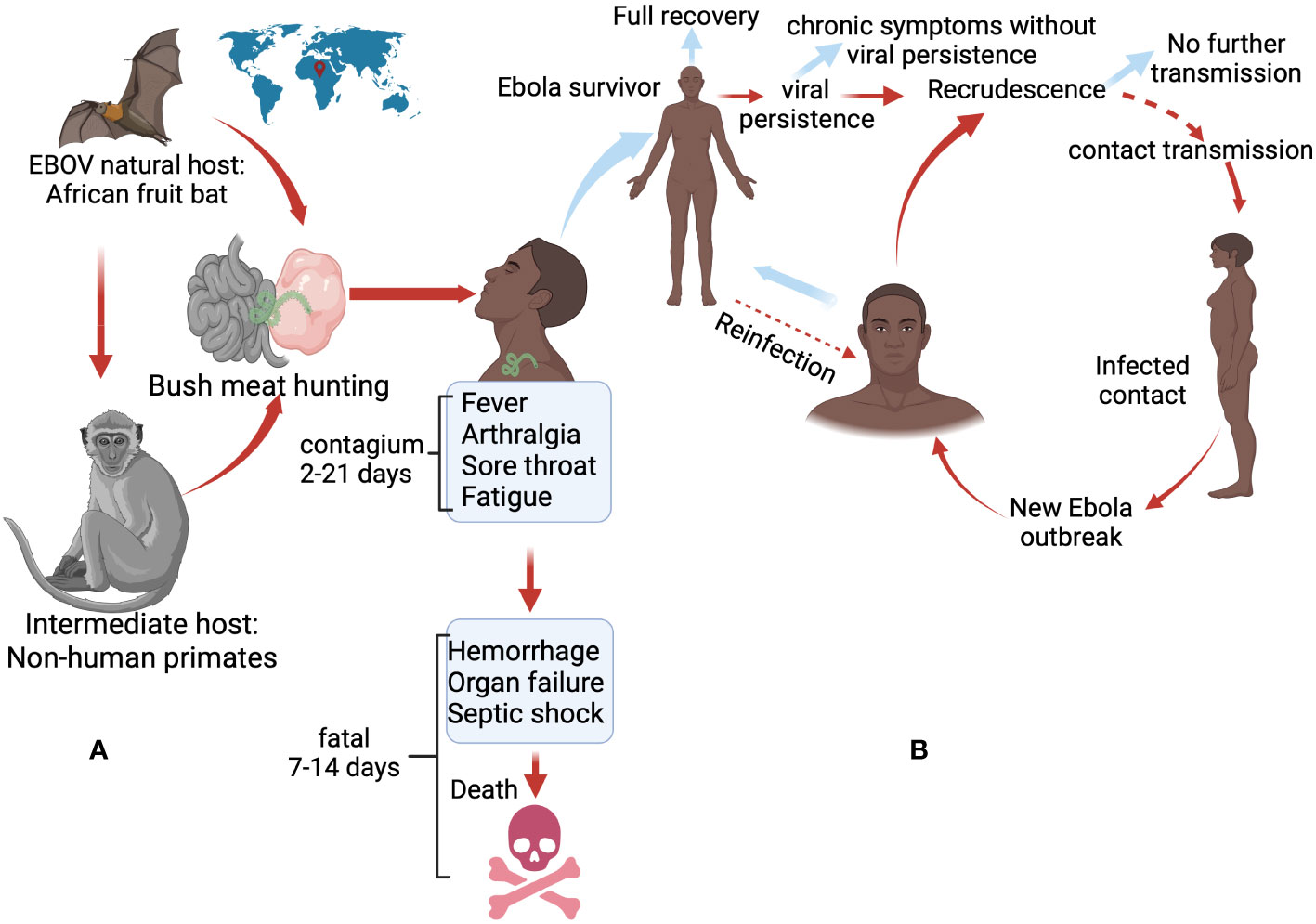
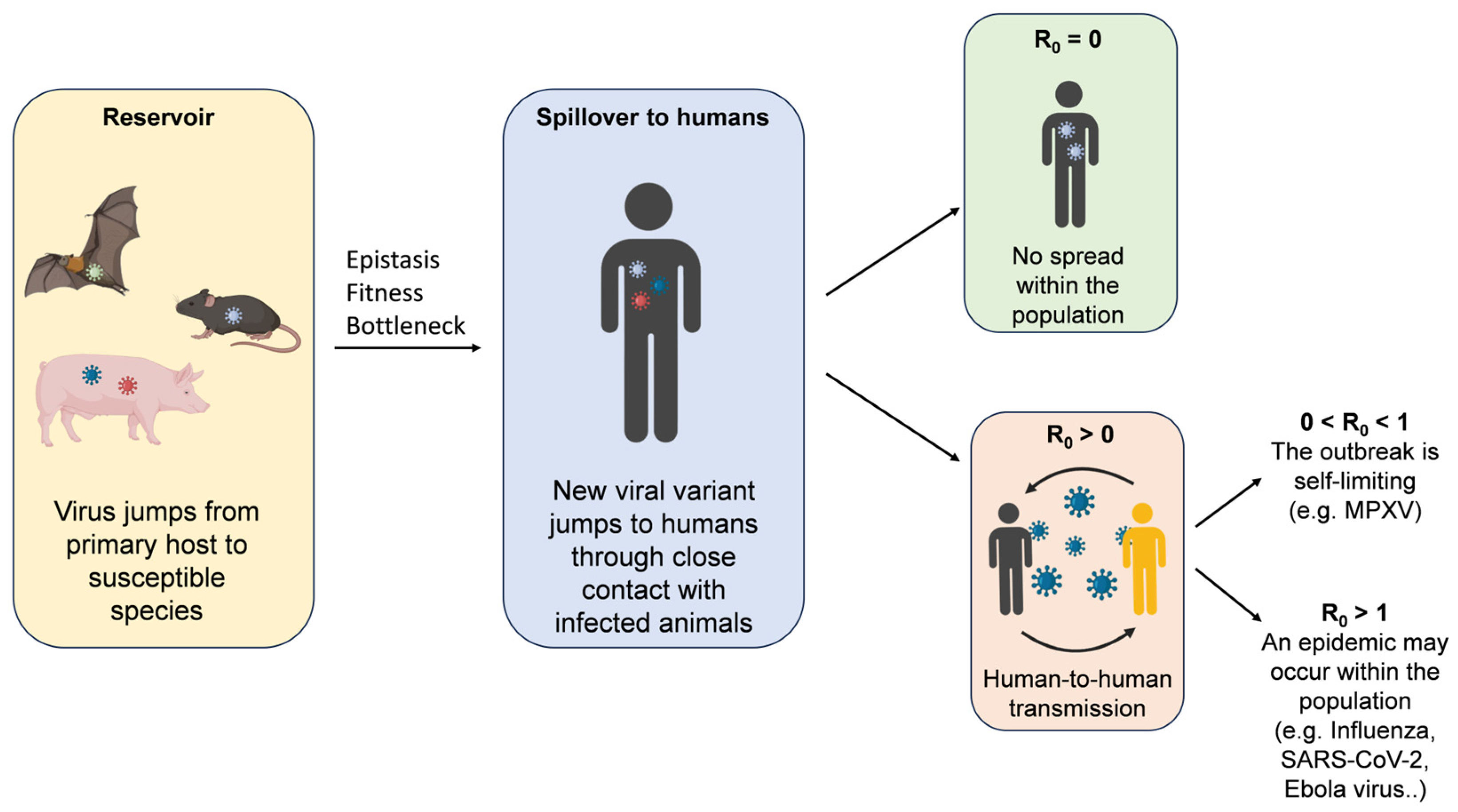
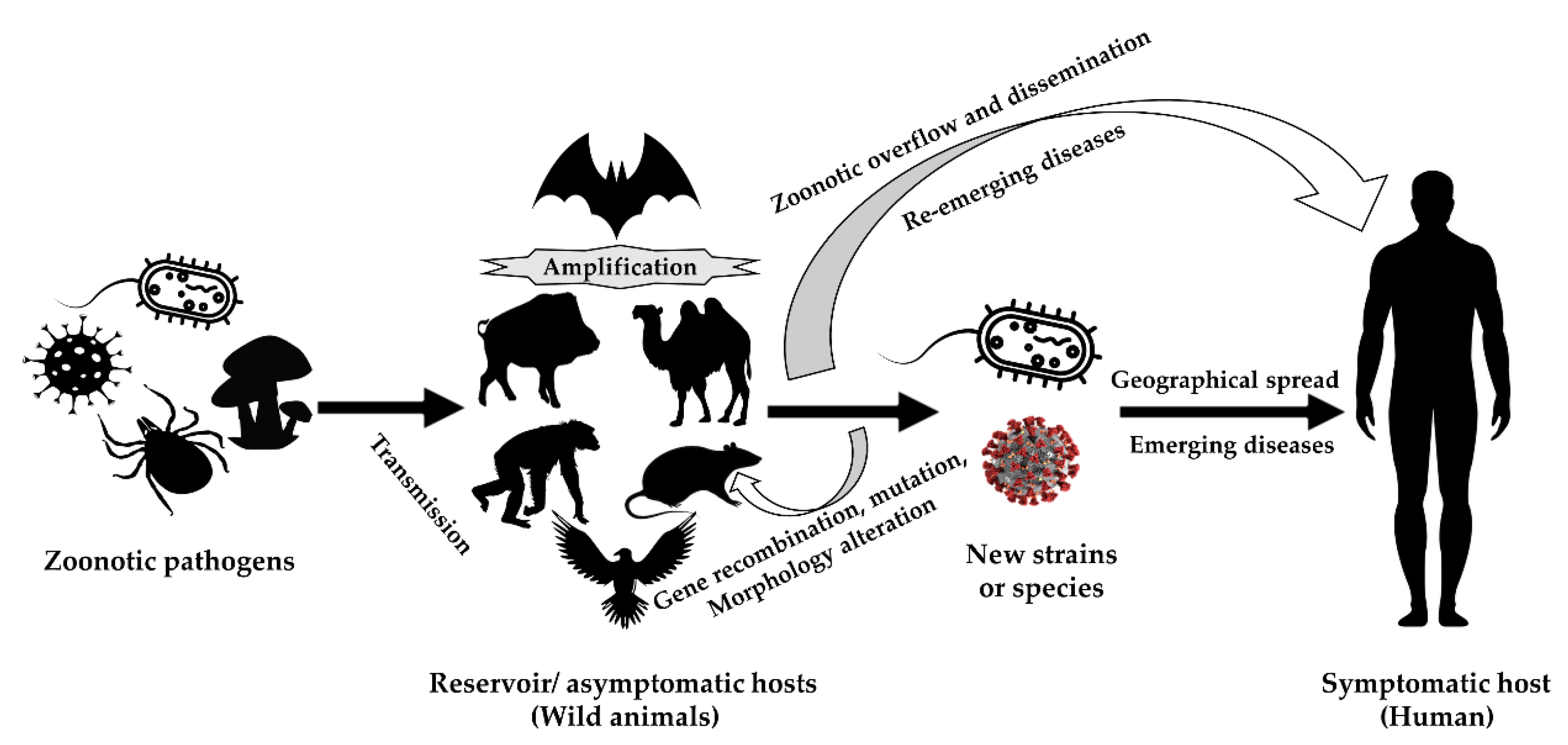
It all begins with zoonotic spillover, which is just a fancy way of saying that a disease jumps from animals to humans. Think of it like a game of viral telephone: the virus starts in animals, like bats or monkeys, and then makes its way to humans through direct contact or other means. Simple, right? Well, not so much, because the next step is where things get really complicated.
Animal Hosts and The Role of Bats
So, which animals are the culprits behind Ebola's zoonotic spillover? Well, meet the bats, the ultimate viral villains! Just kidding, they're not so bad... they're just trying to survive, like the rest of us. But seriously, bats are believed to be the natural reservoir of the Ebola virus, and they can transmit it to other animals, like monkeys and antelopes, through droplets or contact with infected bodily fluids.
Must Read
The Human Factor: How We Contribute to Outbreaks
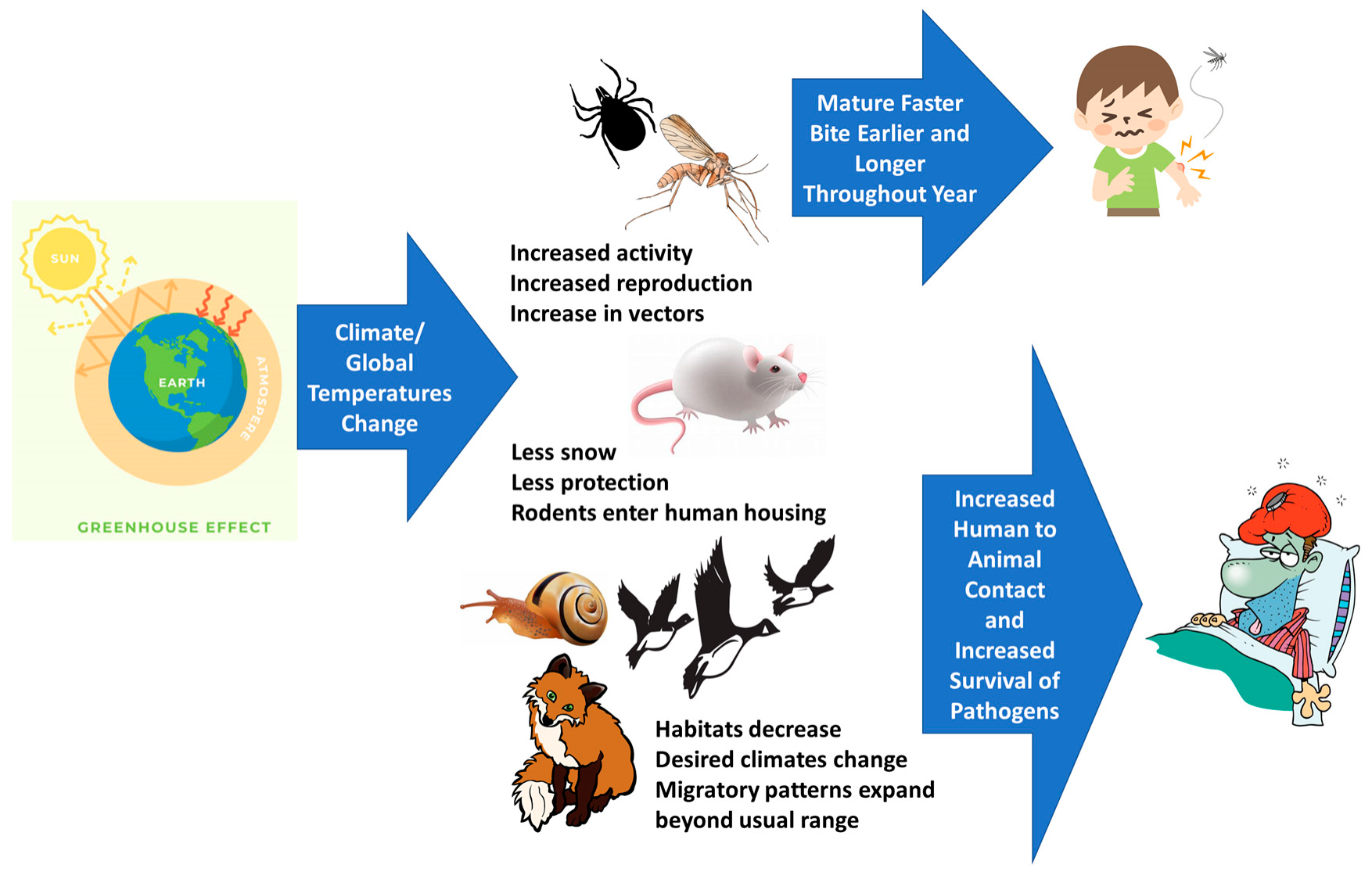
Now, here's where we humans come into the picture. Our activities, such as deforestation, hunting, and poor hygiene practices, can increase the likelihood of zoonotic spillover. It's like we're rolling out the red carpet for the virus, saying, "Hey, come on in, Ebola! Make yourself at home!" Not good, guys. Not good at all.
Outbreaks and Global Response
So, what happens when Ebola does make the jump to humans? Well, it's a race against time to contain the outbreak, find the source, and provide adequate care to those affected. It's a tough job, but healthcare workers, scientists, and global organizations are up to the challenge. They work tirelessly to develop vaccines, implement public health measures, and support affected communities.

The Silver Lining: Hope and Resilience
Despite the severity of Ebola outbreaks, there's always hope on the horizon. With continued research, improved public health infrastructure, and global cooperation, we can reduce the risk of zoonotic spillover and save lives. It's like the old saying goes: "When life gives you lemons, make lemonade." We can turn the lemons of Ebola into opportunities for growth, learning, and building stronger, more resilient communities.
And that's the story of Ebola's journey from zoonotic spillover to human outbreak. Not so scary after all, right? Well, maybe a little, but at least we can laugh about it and learn from it. So, the next time you hear about an Ebola outbreak, remember: there's always hope, and with human resilience and solidarity, we can overcome even the toughest challenges. Now, go forth and spread the word... not the virus, of course!




.png)