Friends With Benefits Rules
The concept of friends with benefits has become increasingly popular in recent years, with many people seeking to establish relationships that combine the intimacy of romance with the freedom of friendship. However, navigating these relationships can be complicated, and it's essential to establish clear rules to ensure that both parties are on the same page. From a biological perspective, humans are wired to form connections with others, and friends with benefits relationships can provide a unique opportunity to explore intimacy and attachment in a non-traditional setting.
When it comes to friends with benefits, communication is key. Both parties must be able to express their desires, boundaries, and expectations clearly, and be willing to listen to and respect each other's needs. This can be a challenging task, especially if the relationship is new or if there are pre-existing emotional dynamics at play. However, by establishing clear rules and guidelines, individuals can help to minimize the risk of misunderstandings and hurt feelings, and create a more fulfilling and satisfying experience for all involved.
From a psychological perspective, friends with benefits relationships can be seen as a way to satisfy our fundamental human need for social connection and intimacy. By providing a safe and consensual space for exploration and expression, these relationships can help individuals to build stronger, more resilient bonds with others, and to develop a more profound understanding of themselves and their own desires. However, it's essential to approach these relationships with a clear and level head, and to prioritize emotional intelligence and self-awareness in order to navigate the complexities and challenges that may arise.
Must Read
Understanding the Science of Friends with Benefits
When it comes to friends with benefits, hormonal responses play a significant role. The release of oxytocin and dopamine during physical intimacy can create a strong emotional bond between partners, which can be both beneficial and challenging to navigate. By understanding the biological mechanisms that underlie these responses, individuals can better appreciate the complexities of friends with benefits relationships and take steps to manage their emotions and behaviors in a healthy and constructive way.
From a neurological perspective, friends with benefits relationships can be seen as a way to activate the brain's reward system, releasing feel-good chemicals such as serotonin and endorphins in response to physical intimacy and social connection. However, this can also create a risk of addiction, as individuals become increasingly reliant on the emotional and physical highs associated with these relationships. By being aware of these risks and taking steps to maintain a healthy balance between intimacy and independence, individuals can help to minimize the potential negative consequences of friends with benefits relationships.
The sociological context of friends with benefits relationships is also important to consider. In today's hookup culture, it's increasingly common for individuals to engage in casual sex and non-traditional relationships, and friends with benefits relationships can be seen as a way to navigate this complex and often confusing landscape. By understanding the social norms and expectations that surround these relationships, individuals can better navigate the challenges and opportunities that they present, and create more fulfilling and satisfying experiences for themselves and their partners.

Finally, it's essential to consider the emotional implications of friends with benefits relationships. These relationships can be intense and all-consuming, and it's easy to become deeply invested in the emotional highs and lows that they provide. By prioritizing self-care and emotional regulation, individuals can help to maintain a healthy perspective on these relationships, and avoid becoming overwhelmed by the emotional demands that they place on us.
Mastering the Art of Friends with Benefits
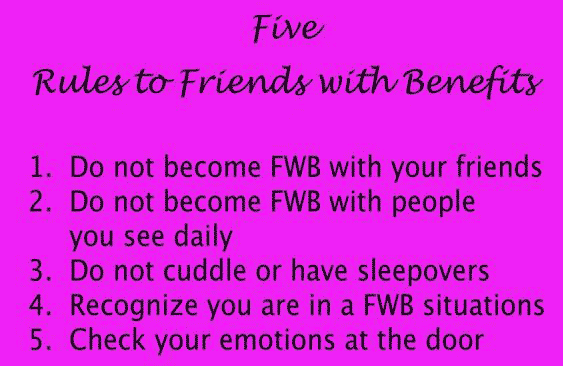
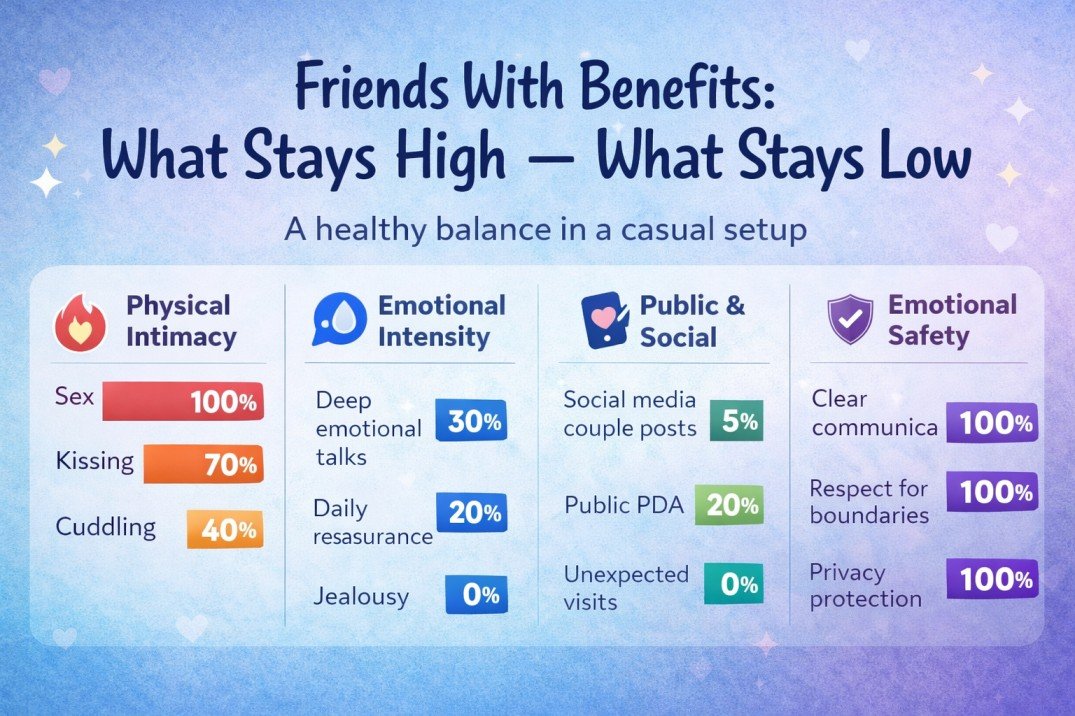
To get the most out of friends with benefits relationships, it's essential to establish clear boundaries and guidelines. This can include discussing and agreeing on issues such as monogamy, safe sex, and communication, as well as establishing a clear understanding of each other's needs and expectations. By being proactive and intentional in our approach to these relationships, we can help to create a more positive and fulfilling experience for all involved.
Another key strategy for mastering friends with benefits relationships is to prioritize communication and emotional intelligence. This can involve practicing active listening, expressing ourselves clearly and honestly, and being willing to navigate conflicts and challenges in a constructive and respectful way. By developing these skills, we can help to build stronger, more resilient relationships that are better equipped to withstand the challenges and complexities of friends with benefits.

In addition to communication and boundaries, it's also essential to prioritize self-care and emotional regulation in friends with benefits relationships. This can involve taking time for ourselves, engaging in activities that promote relaxation and stress relief, and being mindful of our own emotional needs and limits. By taking care of ourselves and maintaining a healthy perspective on these relationships, we can help to avoid burnout and maintain a positive and fulfilling experience.
Finally, it's essential to be aware of the potential risks and challenges associated with friends with benefits relationships. This can include the risk of emotional attachment, jealousy, and conflict, as well as the potential for STIs and other health risks. By being aware of these risks and taking steps to mitigate them, we can help to create a safer and more fulfilling experience for all involved.
Frequently Asked Questions
What are the most common mistakes people make in friends with benefits relationships?
One of the most common mistakes people make in friends with benefits relationships is to assume that the relationship will be easy and effortless, without requiring any real effort or communication. However, this can be a recipe for disaster, as friends with benefits relationships require just as much care and attention as any other type of relationship. By being aware of the potential pitfalls and challenges of these relationships, we can help to avoid common mistakes and create a more positive and fulfilling experience.

Another common mistake is to fail to establish clear boundaries and guidelines, which can lead to confusion, misunderstandings, and conflict. By being proactive and intentional in our approach to friends with benefits relationships, we can help to avoid these mistakes and create a more positive and fulfilling experience for all involved. This can involve discussing and agreeing on issues such as monogamy, safe sex, and communication, as well as establishing a clear understanding of each other's needs and expectations.
How can I make sure I'm not getting too attached in a friends with benefits relationship?
Another key strategy is to maintain a sense of independence and autonomy in the relationship. This can involve pursuing our own interests and hobbies, spending time with other friends and family members, and avoiding the tendency to become too enmeshed or codependent with our partner. By maintaining a healthy sense of independence and self-identity, we can help to avoid getting too attached and create a more positive and fulfilling experience for all involved.
Can friends with benefits relationships ever turn into something more?
While friends with benefits relationships are often seen as casual and non-committal, it's definitely possible for them to evolve into something more. In fact, many people have reported that their friends with benefits relationships have eventually developed into romantic partnerships or even long-term commitments. By being open to the possibility of growth and evolution in the relationship, and by communicating our needs and desires clearly with our partner, we can help to create a more positive and fulfilling experience for all involved.
However, it's also important to be aware of the potential risks and challenges associated with transitioning a friends with benefits relationship into something more. This can involve navigating the complexities of emotional attachment, jealousy, and conflict, as well as the potential for disappointment or heartbreak if the relationship doesn't work out. By being aware of these risks and taking steps to mitigate them, we can help to create a safer and more fulfilling experience for all involved.
By respecting the science behind friends with benefits relationships, we can create a more positive and fulfilling experience for all involved. This involves prioritizing communication, emotional intelligence, and self-awareness, as well as being aware of the potential risks and challenges associated with these relationships. By taking a proactive and intentional approach to friends with benefits, we can help to build stronger, more resilient relationships that are better equipped to withstand the challenges and complexities of modern life.
Ultimately, the key to success in friends with benefits relationships is to approach them with a clear and level head, and to prioritize emotional regulation, self-care, and communication. By doing so, we can help to create a more positive and fulfilling experience for all involved, and to build stronger, more resilient relationships that are better equipped to withstand the challenges and complexities of modern life. Whether we're looking for a casual and non-committal relationship or something more serious and long-term, the principles of friends with benefits can provide a useful framework for navigating the complexities of modern relationships and creating a more fulfilling and satisfying experience for all involved.