
Ebola Incubation Period: Up To 21 Days For Bundibugyo Virus
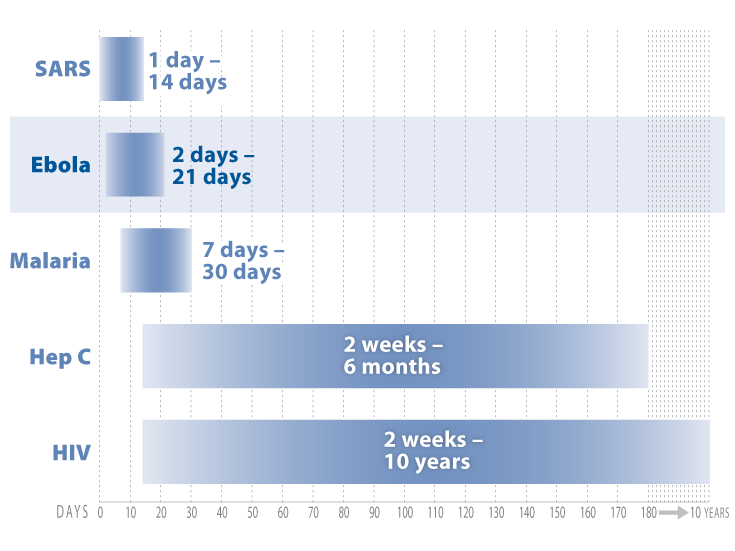
The Ebola incubation period, a time of silent terror, can last up to 21 days for the Bundibugyo virus, one of the five known strains of the Ebola virus. This period, during which the virus is quietly multiplying within its host, is a critical aspect of understanding and combating the disease. The history of Ebola outbreaks is marked by both tragedy and scientific advancement, with each episode revealing more about the virus and how it spreads. Today, the Ebola incubation period remains a key focus for health professionals, scientists, and the general public alike, as the global community strives to improve detection, treatment, and prevention strategies.
In the realm of infectious diseases, Ebola stands out due to its high mortality rate and the fear it inspires. The virus first came to international attention in 1976 with outbreaks in the Democratic Republic of Congo and Sudan. Since then, various strains have been identified, including the Bundibugyo virus, named after the district in Uganda where it was first detected in 2007. The virus's ability to spread unnoticed during its incubation period makes it particularly dangerous, as individuals can unknowingly transmit the virus to others before they even show symptoms.
Understanding the Ebola incubation period is crucial for public health efforts. During this time, individuals may not exhibit any symptoms, yet they can still transmit the virus, albeit the risk is generally considered to be lower before the onset of symptoms. This aspect of the virus necessitates thorough contact tracing and vigilant monitoring of individuals who may have been exposed. The challenge of managing Ebola outbreaks is further complicated by the often-delays in diagnosing cases, especially in remote or resource-poor areas, underscoring the need for enhanced surveillance, rapid diagnostic tools, and community engagement.
Must Read
Delving Deeper into the Virus
One of the lesser-known facts about the Ebola virus is its reservoir in nature, believed to be fruit bats, although the exact mechanisms of transmission from bats to humans are still not fully understood. This natural reservoir means that the virus is always present, waiting for the right conditions to spark an outbreak. The ecological aspect of Ebola highlights the complex interplay between human activities, animal habitats, and the emergence of diseases, suggesting that prevention strategies must consider environmental and zoological factors.
The psychological impact of living through an Ebola outbreak cannot be overstated. Fear, anxiety, and stigma are rampant among communities affected by the virus. The visible symptoms of Ebola, such as severe bleeding, and the high mortality rate contribute to a climate of dread. Moreover, the social distancing measures and isolation required to control the spread of the virus can lead to feelings of loneliness and disconnection, affecting mental health and community cohesion.
Culturally, Ebola outbreaks have revealed deep-seated fears and superstitions. In some affected areas, traditional burial practices have been identified as significant factors in the transmission of the virus, as these practices often involve direct contact with the deceased. Changing these practices has been a challenging but crucial aspect of controlling outbreaks, requiring sensitive cultural engagement and education to explain the risks and the need for safer alternatives.
The global response to Ebola has been marked by both cooperation and criticism. International aid, including medical personnel, supplies, and financial support, has been crucial in combating outbreaks. However, issues of equity, access to care, and the ethics of vaccine and treatment distribution have also been highlighted, pointing to the need for a more equitable and sustainable approach to global health crises.
Living with the Threat of Ebola
For individuals living in or traveling to areas where Ebola is present, understanding the risks and taking preventive measures is essential. This includes being aware of the symptoms, such as fever, vomiting, and diarrhea, and seeking medical care immediately if they occur. Personal protective equipment (PPE) is crucial for healthcare workers and others who may come into contact with infected individuals, highlighting the importance of proper training and resources for those on the frontlines of the fight against Ebola.
Scenario planning is a valuable tool for communities and health systems preparing for potential outbreaks. This involves simulating different scenarios, from small, localized outbreaks to larger, more widespread epidemics, to identify gaps in preparedness and response. By considering various scenarios, communities can develop more resilient and adaptive plans, enhancing their ability to respond effectively to outbreaks.
Case studies of past outbreaks offer valuable lessons for future responses. The 2014-2016 West Africa outbreak, one of the largest and most complex, highlighted the importance of community engagement, international cooperation, and the need for flexible and innovative approaches to outbreak control. The development and deployment of vaccines and treatments during this period also underscored the potential for rapid scientific advancement in the face of public health emergencies.
Finally, the economic impact of Ebola outbreaks should not be overlooked. The costs associated with outbreak response, including healthcare expenditures, lost productivity, and broader economic disruption, can be significant. Therefore, investing in preventive measures, such as improved surveillance, enhanced public health infrastructure, and research into vaccines and treatments, is critical for reducing both the human and economic toll of future outbreaks.
Frequently Asked Questions
What are the symptoms of Ebola, and how is it diagnosed?
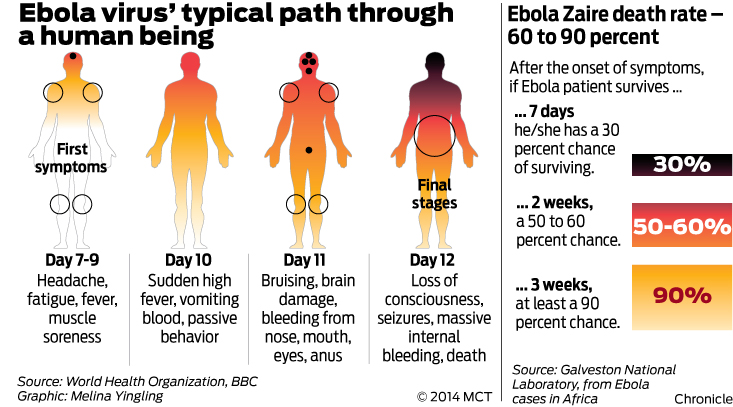
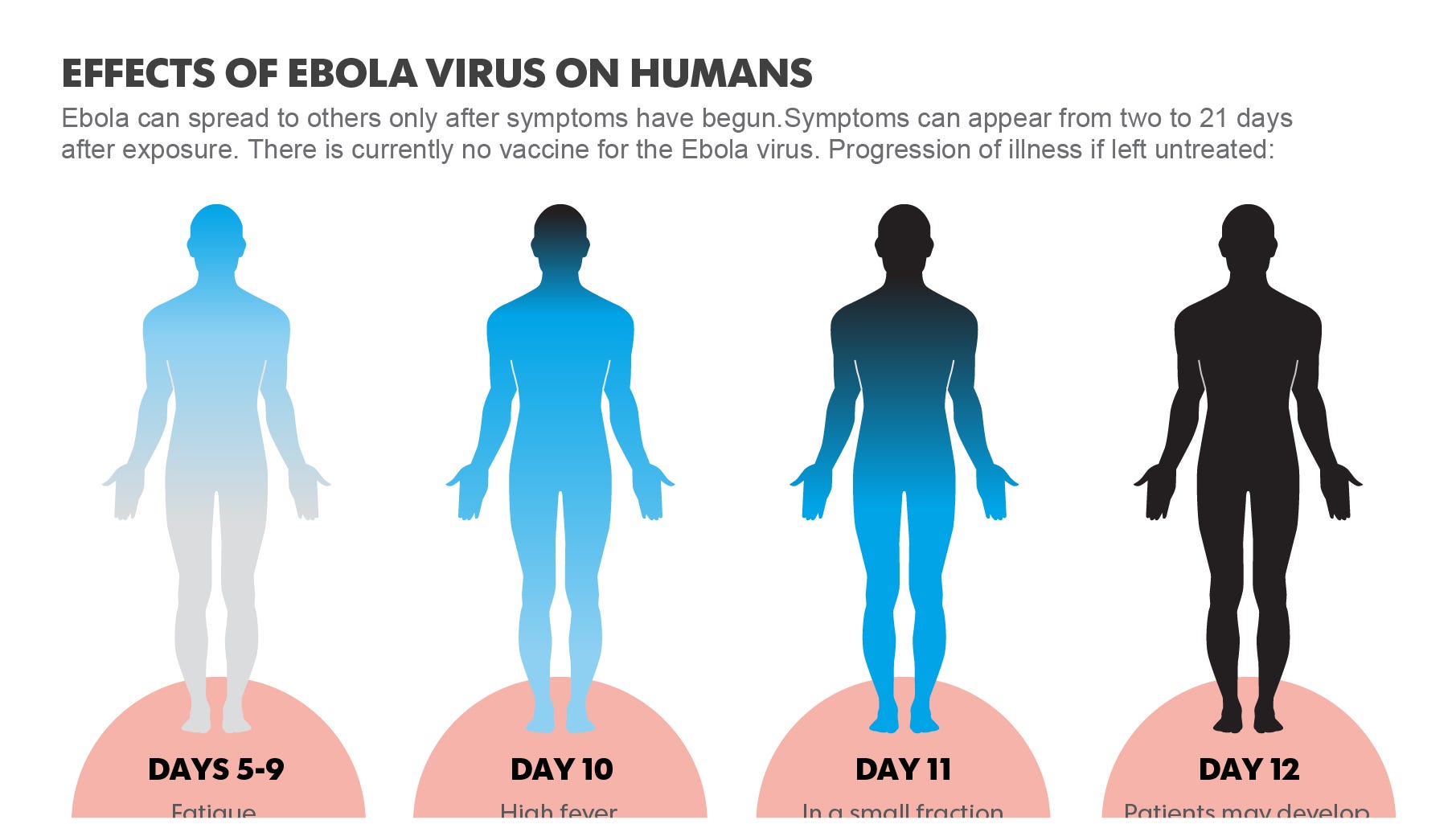
The symptoms of Ebola can include fever, fatigue, muscle pain, headache, and sore throat, followed by vomiting, diarrhea, rash, and in some cases, bleeding or bruising. Diagnosing Ebola involves laboratory tests, as the early symptoms can be similar to those of other diseases such as malaria or typhoid fever. The most common diagnostic tests look for genetic material of the virus or for antibodies against the virus. These tests are critical for confirming cases and guiding treatment and public health responses.
In practice, diagnosis often occurs in stages, starting with clinical evaluation based on symptoms and exposure history, followed by laboratory confirmation. The rapid development and deployment of diagnostic tools have been areas of significant advancement, with efforts focused on creating tests that are faster, more accurate, and suitable for use in resource-limited settings. The ability to quickly and accurately diagnose Ebola is essential for effective patient care and outbreak control.
How is Ebola transmitted, and what can be done to prevent its spread?
Ebola is transmitted through direct contact with the blood, secretions, organs, or other bodily fluids of infected people, and indirect contact with environments contaminated with such fluids. The virus can also be transmitted through contact with infected animals, such as fruit bats. Prevention strategies include avoiding contact with anyone who has been infected, using personal protective equipment (PPE) when caring for patients, practicing good hygiene, and ensuring safe burial practices. Communities can reduce the risk of transmission by promoting awareness, reporting suspected cases early, and supporting public health interventions.
On a larger scale, preventing Ebola's spread involves a combination of surveillance, contact tracing, and community-based initiatives. This includes engaging local leaders and communities in outreach and education efforts, enhancing laboratory capacity for rapid diagnosis, and supporting healthcare systems to provide high-quality, safe care. By taking a comprehensive approach that addresses the social, ecological, and health system factors contributing to the risk of Ebola transmission, the global community can work towards reducing the incidence of outbreaks and mitigating their impact when they do occur.
What progress has been made in developing vaccines and treatments for Ebola?
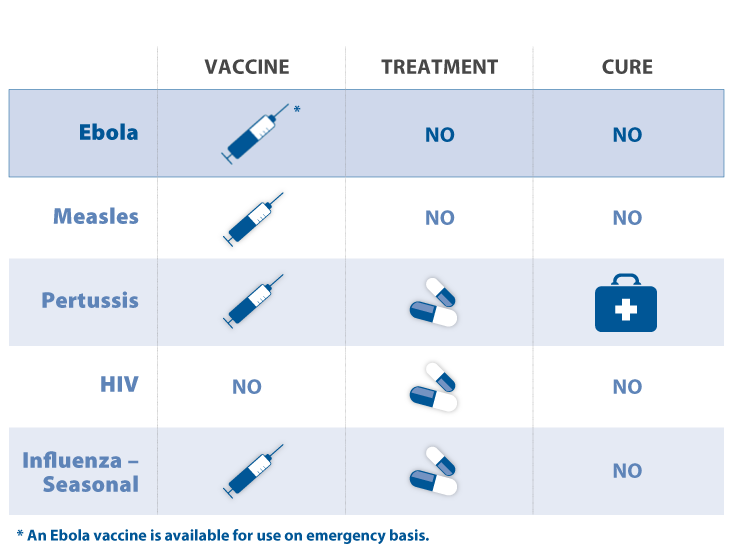
Significant progress has been made in the development of Ebola vaccines and treatments, particularly in response to the 2014-2016 outbreak in West Africa. Several vaccine candidates have been tested, with some showing promising results in preventing the disease. These vaccines have been used in outbreak settings to protect individuals at high risk, such as healthcare workers and contacts of confirmed cases. Treatments, including experimental therapies like ZMapp and remdesivir, have also been developed and tested, although more research is needed to fully understand their efficacy and safety.
The development and deployment of Ebola vaccines and treatments represent a remarkable example of global collaboration and scientific innovation in response to a public health emergency. Challenges persist, including ensuring equitable access to these interventions, especially in resource-poor settings, and addressing the ethical considerations surrounding their use. Nonetheless, the advancements in Ebola research offer hope for improved outcomes in future outbreaks and underscore the importance of continued investment in global health security and research into infectious diseases.
Reflecting on the Ebola incubation period and its implications, it becomes clear that this aspect of the virus touches on fundamental aspects of human nature and society. The fear and uncertainty that accompany an infectious disease with such a high potential for harm and death reveal our deep-seated vulnerabilities. At the same time, the global response to Ebola outbreaks showcases humanity's capacity for compassion, cooperation, and scientific ingenuity in the face of adversity.
The connection between Ebola and our daily lives may seem distant for many, but the virus's potential to spread and the importance of global health security make it a concern for everyone. By understanding Ebola, including its incubation period, transmission, and prevention strategies, individuals can better appreciate the interconnectedness of global health and the role each person plays in preventing the spread of infectious diseases. This awareness can foster a sense of responsibility and community, encouraging actions that support public health, from practicing good hygiene to advocating for investment in health infrastructure and research.
Ultimately, the story of Ebola, including the critical aspect of its incubation period, serves as a reminder of the delicate balance between human health, the environment, and the microbes that surround us. It highlights the need for a holistic approach to health, one that considers the social, economic, and ecological factors influencing disease emergence and spread. By embracing this perspective, we can work towards a future where outbreaks of diseases like Ebola are rare, and when they do occur, we are better prepared to respond, care for the affected, and prevent further suffering.



:no_upscale()/cdn.vox-cdn.com/uploads/chorus_asset/file/3696350/ebola_progression_revised.0.0.png)