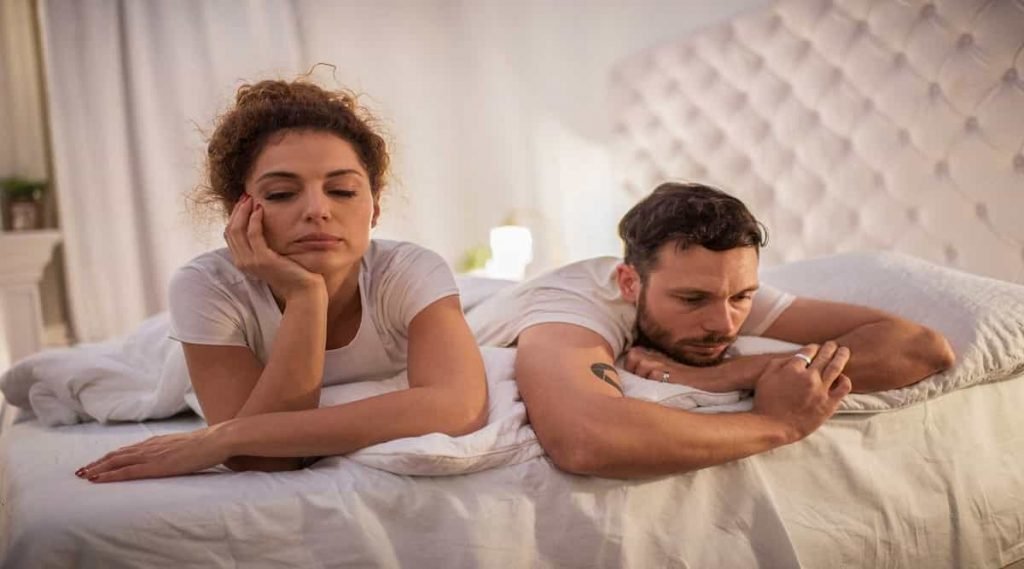
Crying After Sex Is More Common Than You Think

Crying after sex, a phenomenon often shrouded in mystery and misconception, is more common than one might initially think. It's an experience that transcends borders, cultures, and generations, silently affecting a significant number of individuals worldwide. Postcoital crying, as it's formally known, has been documented in various forms of literature and medical texts for centuries, yet it remains a taboo subject, often swept under the rug due to the sensitive nature of the topic.
The history of postcoital crying can be traced back to ancient times, with references in Greek literature and Roman poetry, where it was sometimes depicted as a sign of love or passion. However, as time went on, the narrative shifted, and the act of crying after sex became associated with negative emotions, such as guilt, shame, or dissatisfaction. This shift in perception may have been influenced by cultural norms and the evolving societal expectations surrounding sexual behavior and emotional expression.
Today, the topic of crying after sex matters more than ever, as it touches on deeper issues of mental health, relationship dynamics, and sexual well-being. In an era where conversations about sex positivity and emotional vulnerability are becoming increasingly prevalent, understanding and addressing postcoital crying can offer insights into the complexities of human intimacy and emotion. By shedding light on this phenomenon, we can work towards creating a more open and supportive environment where individuals feel comfortable discussing their experiences without fear of judgment or repercussions.
Must Read
Understanding Postcoital Crying
Diving into the lesser-known facts surrounding postcoital crying reveals a multifaceted issue influenced by a combination of biological, psychological, and sociological factors. From a biological standpoint, the sudden release of endorphins and other neurotransmitters during orgasm can lead to a profound emotional release. This biochemical reaction can trigger tears in some individuals, making the experience of postcoital crying as much a physical response as an emotional one.
Psychologically, the act of crying after sex can be a manifestation of overwhelming emotions, ranging from happiness and relief to sadness and anxiety. The intimacy and vulnerability that come with sexual encounters can stir deep-seated emotions, leading some to cry as a way of processing and dealing with their feelings. Furthermore, cultural expectations and societal pressures can also play a role, as individuals may cry due to feelings of guilt or shame related to their sexual behavior.
Culturally, the depiction of postcoital crying in media and literature often perpetuates stereotypes, portraying characters who cry after sex as being unstable or unsatisfied. However, real-life experiences suggest that the reality is much more complex and varied. People from all walks of life experience postcoital crying, and their reasons for doing so are as unique as they are. By examining these diverse experiences, we can gain a deeper understanding of human emotion and the myriad ways in which sexuality intersects with psychology and sociology.

In addition to these factors, the quality of the relationship and the communication between partners can significantly influence the occurrence and interpretation of postcoital crying. In relationships marked by trust and open communication, partners may be more likely to discuss and understand each other's emotional responses, thereby reducing potential distress and fostering a more supportive environment.
Navigating Postcoital Crying in Everyday Life
Scenarios involving postcoital crying can vary greatly, from the initial shock and confusion that may follow an unexpected bout of tears, to the deepened emotional connection that can result from open and honest communication about the experience. For instance, a couple where one partner frequently cries after sex may find that addressing the issue together leads to a greater understanding of each other's emotional needs and boundaries.
Case studies have shown that individuals who experience postcoital crying often report feeling a mix of relief and anxiety about discussing their feelings with their partner. This dilemma underscores the importance of effective communication and emotional intelligence in navigating such sensitive issues. By creating a safe and non-judgmental space for discussion, partners can work through their emotions together, potentially strengthening their bond and promoting a healthier sexual relationship.

For those looking to address postcoital crying in their own lives, several actionable takeaways can be considered. First, acknowledging and accepting one's emotions is crucial. Recognizing that crying after sex is a normal experience for many can help alleviate feelings of shame or abnormality. Secondly, open dialogue with one's partner can provide valuable insights into the emotional underpinnings of the experience, helping to address any underlying issues and foster a more empathetic and supportive partnership.
In practical terms, individuals can benefit from self-reflection and journaling as tools to understand their emotional responses better. By exploring the contexts and emotions surrounding episodes of postcoital crying, individuals can gain a deeper insight into their psychological and emotional states, potentially uncovering patterns or triggers that they can then address through self-care practices or professional therapy.
Frequently Asked Questions
What are the most common reasons people cry after sex?
The reasons for postcoital crying are diverse and complex, reflecting a broad spectrum of emotional and psychological experiences. Emotional release, hormonal changes, and stress relief are among the most commonly cited factors. Additionally, the intensity of the sexual experience, relationship issues, and past traumas can also contribute to the phenomenon. Understanding that each individual's experience is unique is key to addressing postcoital crying in a supportive and non-judgmental manner.
Moreover, the act of crying itself can be a cathartic experience, providing a necessary outlet for emotions that may have been building up. In this context, postcoital crying can serve as a form of emotional regulation, helping individuals to process and deal with their feelings in a healthy and constructive way. By acknowledging the variety of reasons behind postcoital crying, we can work towards demystifying the phenomenon and promoting a more compassionate and informed approach to sexual health and emotional well-being.

How can I talk to my partner about crying after sex without feeling embarrassed or judged?
Approaching the topic of postcoital crying with a partner requires sensitivity and open-mindedness. Choosing the right time and place for the conversation, where both parties feel comfortable and secure, is essential. Starting the conversation with empathy and vulnerability, expressing one's own feelings and fears, can help set a supportive tone for the discussion.
It's also important to listen actively to the partner's perspective, avoiding judgment and focusing on understanding their feelings and experiences. By creating a safe and empathetic space for discussion, couples can navigate the complexities of postcoital crying together, potentially leading to a deeper understanding of each other's emotional needs and a more fulfilling sexual and emotional connection.
Is crying after sex a sign of an underlying mental health issue that needs professional attention?
While crying after sex can be a normal and healthy response for many, in some cases, it may indicate an underlying mental health issue that warrants professional attention. If the crying is persistent, intense, or accompanied by other symptoms such as anxiety, depression, or post-traumatic stress disorder (PTSD), it may be beneficial to seek help from a mental health professional.

A therapist or counselor can provide a safe and confidential environment to explore the emotional and psychological factors contributing to postcoital crying. Through therapy and counseling, individuals can gain a better understanding of their emotional responses, develop healthy coping mechanisms, and work through any underlying issues that may be contributing to their experiences of postcoital crying. By seeking professional help when needed, individuals can take an important step towards promoting their mental health, well-being, and sexual satisfaction.
Reflecting on the phenomenon of crying after sex, it becomes clear that this experience is deeply intertwined with our daily lives and human nature. It touches on fundamental aspects of human connection, emotional expression, and sexual health, highlighting the complexities and nuances of human intimacy and relationships. By embracing the conversation around postcoital crying, we open the door to a more inclusive and compassionate understanding of human emotion and sexuality.
Furthermore, the discussion around postcoital crying illuminates the importance of emotional intelligence and effective communication in navigating the intricacies of sexual relationships. It underscores the need for a culture of empathy and understanding, where individuals feel empowered to express their emotions without fear of judgment or rejection. By fostering such a culture, we can work towards creating healthier, more fulfilling relationships and promoting a more positive and supportive environment for sexual and emotional well-being.
In conclusion, crying after sex is a multifaceted phenomenon that offers a unique window into the human experience, revealing the profound interconnections between sexuality, emotions, and relationships. As we continue to explore and understand this phenomenon, we are reminded of the beauty and complexity of human connection, and the importance of approaching each other's experiences with kindness, empathy, and understanding. By doing so, we can foster a more compassionate and informed approach to sexual health, relationships, and emotional well-being, ultimately enriching our lives and the lives of those around us.