Crna Salary Guide: The Highest Paying Nursing Specialty Compensation
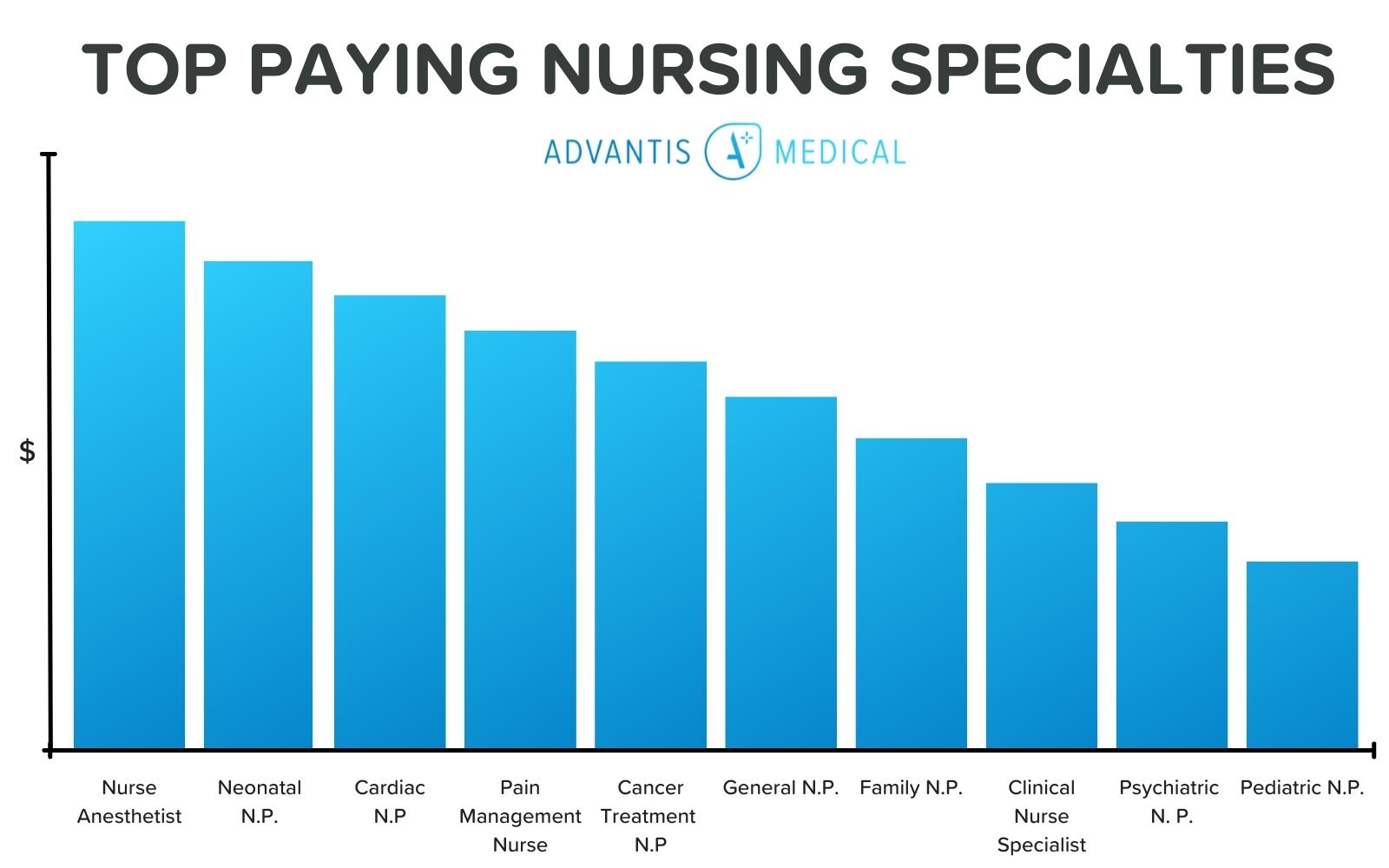
Hey there, future healthcare heroes and curious minds! Have you ever wondered what happens behind the scenes in an operating room, or how someone makes sure a patient is comfortably asleep for a crucial procedure? It’s a fascinating world, and a big part of that magic involves some truly incredible nurses. And when we talk about compensation within the nursing realm, there's one specialty that consistently shines – Certified Registered Nurse Anesthetists, or CRNAs. It’s a career path that’s not just about patient care, but also offers some of the most lucrative compensation available in nursing!
So, what exactly does a CRNA do, and why is it such a rewarding, both in terms of impact and income? CRNAs are highly skilled Advanced Practice Registered Nurses (APRNs) who administer anesthesia for all types of surgical, diagnostic, and obstetric procedures. They are the sole anesthesia providers in many rural hospitals and are an integral part of the healthcare team in larger institutions. Their primary purpose is to ensure patient safety and comfort during procedures that would otherwise be painful or anxiety-inducing. Think about it: the ability to medically induce a state of unconsciousness, manage pain, and monitor vital signs throughout a surgery requires immense knowledge, precision, and a calm demeanor. It’s a role that directly impacts patient outcomes and their overall surgical experience.
You'll find CRNAs in a wide array of settings. From bustling hospital operating rooms where they might be assisting with anything from a routine appendectomy to a complex heart transplant, to outpatient surgical centers, dental offices, and even pain management clinics. They play a vital role in everything from making sure you don't feel a thing during dental work to managing chronic pain for patients. Their expertise is in high demand, and their compensation reflects that critical skill set.
Must Read
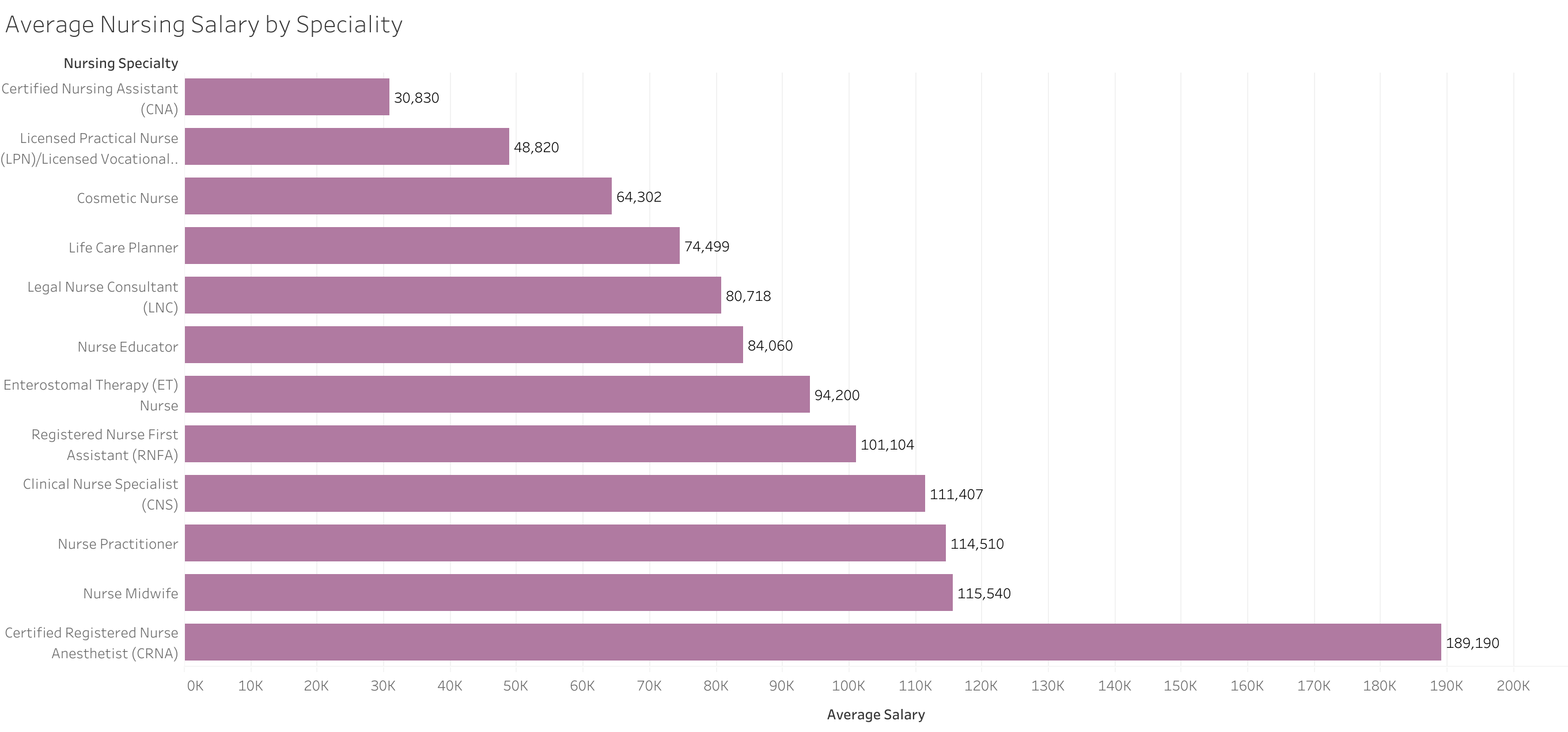
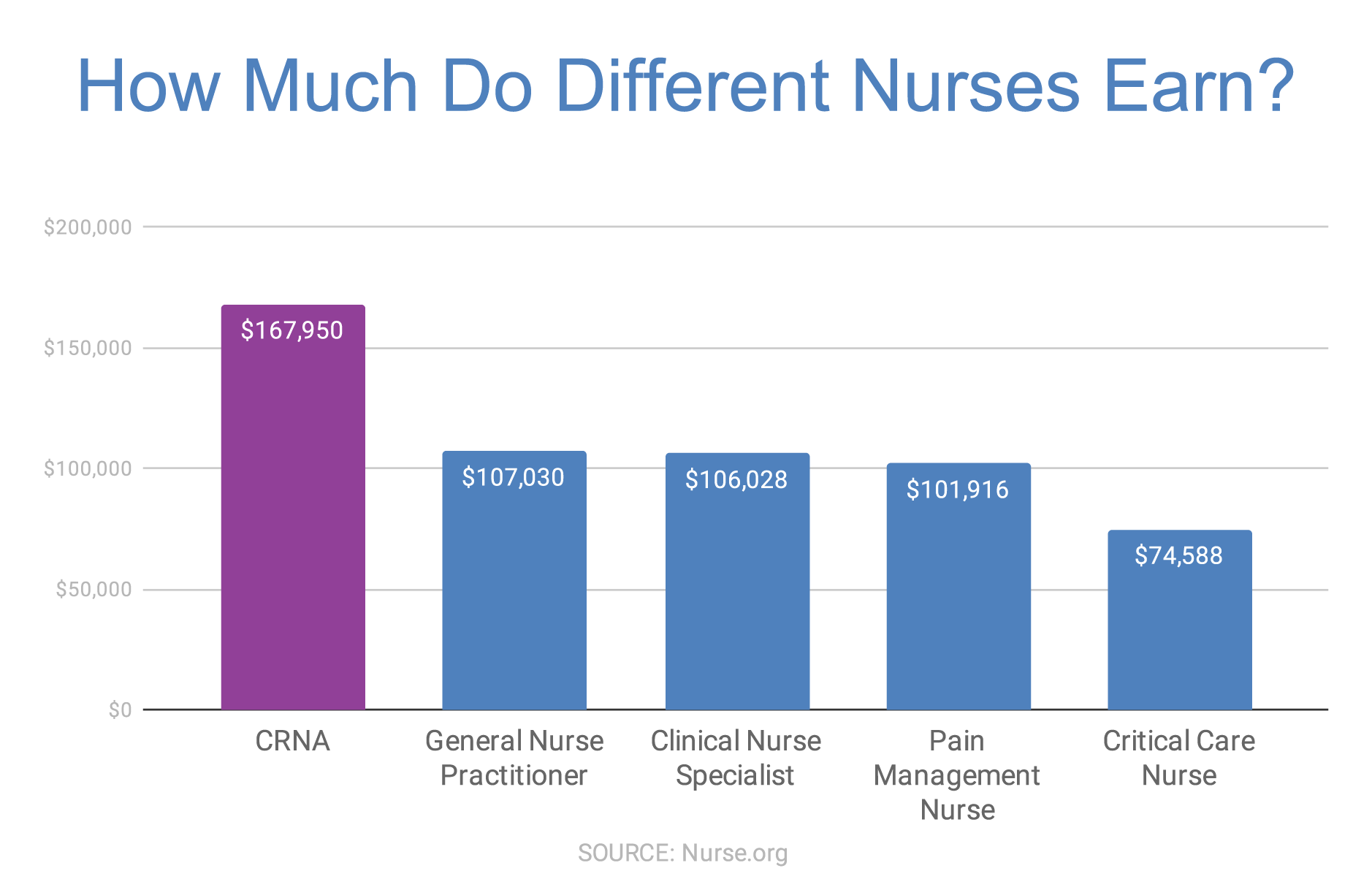
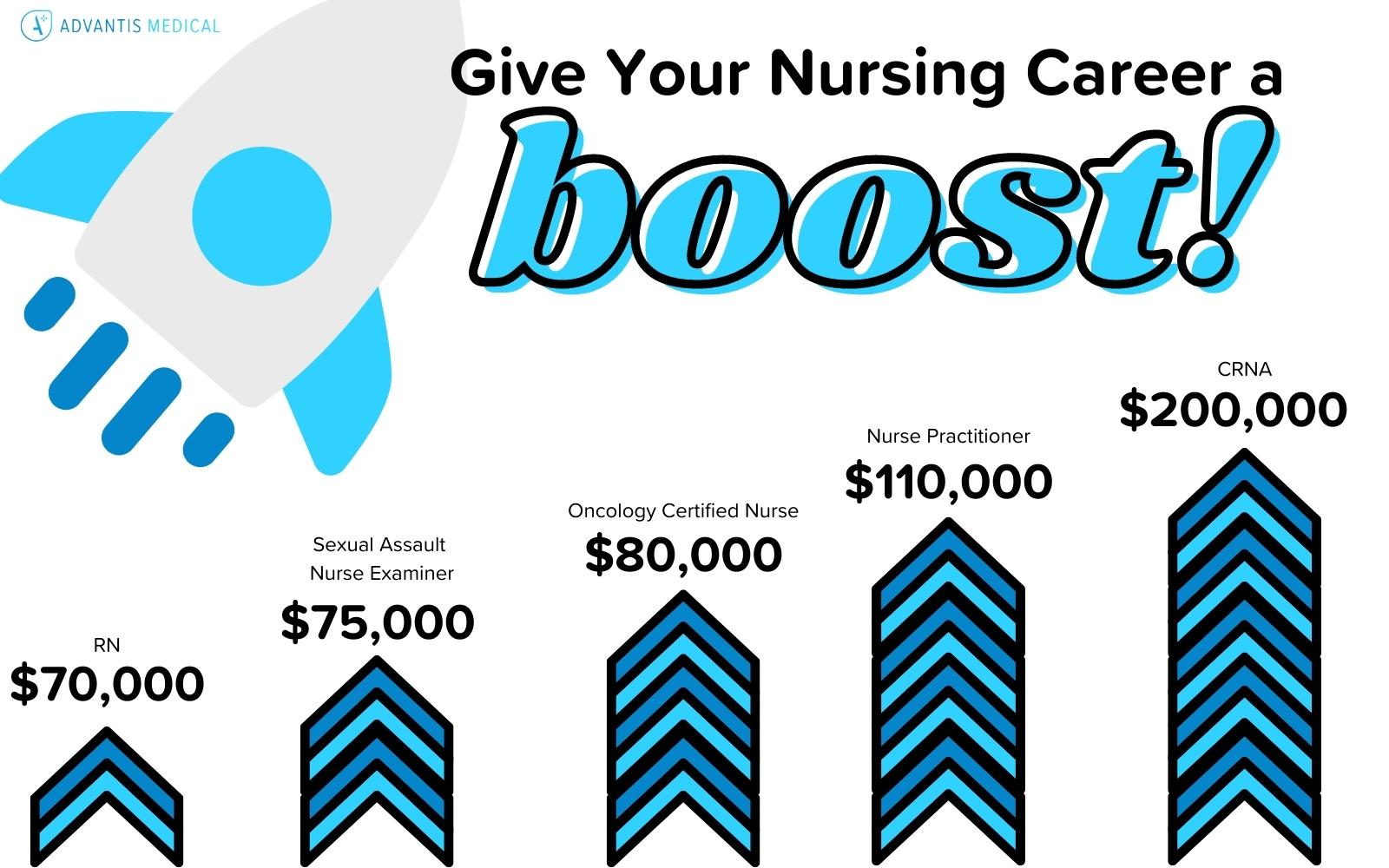
Now, for those of you who might be on a path towards nursing or are simply fascinated by high-earning professions, understanding the CRNA salary landscape is key. The average CRNA salary in the United States is incredibly strong, often exceeding $200,000 per year, with experienced professionals in high-demand areas potentially earning even more. This impressive compensation is a testament to the years of rigorous education, specialized training, and the significant responsibility that comes with the role. It’s a career where you can make a profound difference in people’s lives while also securing a very comfortable financial future.
If the idea of becoming a CRNA is sparking your interest, remember that it's a journey that requires dedication. The path typically involves a Bachelor of Science in Nursing (BSN), followed by at least one year of critical care nursing experience, and then a rigorous Master's or Doctoral program in nurse anesthesia. The investment in education is substantial, but the return, both professionally and financially, is truly exceptional. So, if you’re looking for a challenging, rewarding, and financially secure career in healthcare, becoming a CRNA is definitely something to explore!