Coastal Chic The Ultimate Guide To Beach Formal Attire For Men
The concept of coastal chic, or beach formal attire, has been a staple of men's fashion for decades. The idea of dressing up for a day at the beach or a night out in a coastal town may seem counterintuitive, but it has been a necessity for many men throughout history. In the 19th century, men's beach attire was formal and restrictive, with men wearing full suits and ties to the beach. This was not only a matter of social etiquette but also a reflection of the socioeconomic status of the wearer. As the 20th century progressed, men's beach attire began to evolve, with the introduction of more relaxed and casual clothing such as seersucker suits and linen shirts.
The 1920s and 1930s saw the rise of the preppy style, which emphasized classic, timeless pieces such as button-down shirts and khaki pants. This style was popularized by Ivy League universities and became synonymous with East Coast elegance. As the 1950s and 1960s approached, men's beach attire became even more casual, with the introduction of Hawaiian shirts and board shorts. However, it wasn't until the 1980s that coastal chic as we know it today began to take shape. The rise of designer brands and luxury resorts led to a new era of sophistication and glamour in men's beach attire.
One of the key figures behind the evolution of coastal chic was Ralph Lauren, who popularized the preppy style and brought it to the masses. Lauren's designs, which emphasized classic, timeless pieces with a twist of modern sophistication, helped to define the look of coastal chic in the 1980s and 1990s. Another influential figure was Giorgio Armani, who introduced a more refined and elegant approach to men's beach attire. Armani's designs, which emphasized lightweight, breathable fabrics and clean lines, helped to raise the bar for coastal chic and paved the way for future generations of designers.
Must Read
The Evolution of Coastal Chic
As the 20th century drew to a close, coastal chic continued to evolve, with the introduction of new fabrics, colors, and styles. The 1990s saw the rise of technical fabrics such as moisture-wicking polyester and quick-drying nylon. These fabrics, which were designed to keep the wearer cool and dry, became a staple of men's beach attire and paved the way for the modern athletic wear industry. The 2000s saw the introduction of bold colors and statement pieces, with designers such as Paul Smith and Thom Browne pushing the boundaries of coastal chic.
Despite the many changes and advancements in coastal chic, some things have remained constant. The emphasis on quality fabrics, classic silhouettes, and attention to detail has remained a hallmark of the style. Whether it's a linen shirt from Brunello Cucinelli or a pair of tailored swim trunks from Orlebar Brown, the best coastal chic pieces are those that exude a sense of timeless elegance and sophistication. In recent years, there has been a growing trend towards sustainable and eco-friendly coastal chic, with designers such as Patagonia and Reef leading the way.
The 2010s saw the rise of fast fashion and the democratization of coastal chic. With the advent of online shopping and social media, men's beach attire became more accessible than ever before. However, this also led to a proliferation of low-quality and unsustainable clothing, which threatened to undermine the very foundations of coastal chic. In response, designers and brands began to focus on quality and sustainability, with a renewed emphasis on craftsmanship and attention to detail.

One of the most significant developments in coastal chic in recent years has been the rise of athleisure wear. This trend, which emphasizes comfortable, functional clothing for both on and off the beach, has blurred the lines between traditional coastal chic and modern athletic wear. Brands such as Lululemon and Nike have led the way, with designs that combine technical fabrics and functional details with a focus on style and sophistication. As a result, coastal chic has become more diverse and inclusive than ever before, with a wide range of styles and options available to suit every taste and preference.
Modernizing Coastal Chic
Today, coastal chic is more vibrant and diverse than ever before. With the rise of social media and influencer culture, men's beach attire has become a major focus of attention, with designers and brands competing to create the most stylish and desirable pieces. The emphasis on sustainability and quality has continued, with a growing trend towards eco-friendly and recycled materials. At the same time, there has been a renewed focus on classic silhouettes and timeless designs, with brands such as Ralph Lauren and Tommy Hilfiger leading the way.
One of the key challenges facing coastal chic today is the need to balance style and sophistication with comfort and functionality. As men's beach attire becomes increasingly athletic and technical, there is a risk that it will lose its sense of elegance and refinement. However, designers such as Orlebar Brown and Brunello Cucinelli have shown that it is possible to create coastal chic pieces that are both stylish and functional, without sacrificing quality or attention to detail.

The rise of digital printing and 3D design has also opened up new possibilities for coastal chic, with designers able to create intricate and complex patterns and designs with ease. This has led to a proliferation of bold colors and statement pieces, with brands such as Paul Smith and Thom Browne pushing the boundaries of coastal chic. At the same time, there has been a growing trend towards minimalism and understatement, with designers such as Jil Sander and Stefano Pilati emphasizing clean lines, simple silhouettes, and a focus on quality and craftsmanship.
As coastal chic continues to evolve, it is likely that we will see even more innovative and sustainable designs in the future. With the growing awareness of climate change and environmental sustainability, designers and brands are under pressure to create clothing that is not only stylish but also eco-friendly and responsible. This may involve the use of recycled materials, organic cotton, and zero-waste design, as well as a focus on quality and timelessness over fast fashion and disposability.
Frequently Asked Questions
What is the history of coastal chic, and how has it evolved over time?
The history of coastal chic is a long and complex one, spanning centuries and involving the contributions of numerous designers, brands, and cultural influencers. From its humble beginnings in the 19th century to the present day, coastal chic has undergone numerous transformations, influenced by factors such as socioeconomic status, technical advancements, and cultural trends. In the 20th century, coastal chic became more formal and sophisticated, with the introduction of preppy style and luxury resorts. In recent years, there has been a growing trend towards sustainability and eco-friendliness, with designers and brands focusing on quality and craftsmanship over fast fashion and disposability.
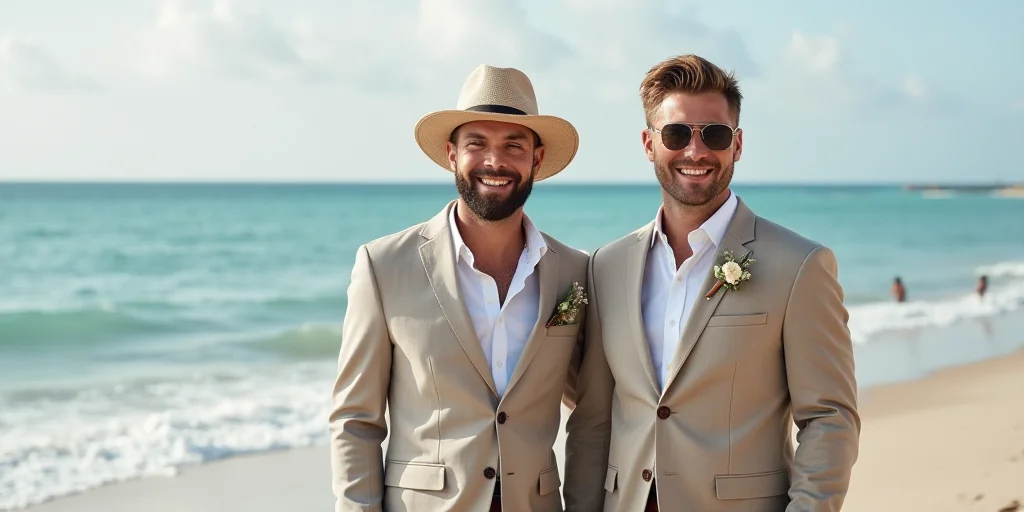
Today, coastal chic is more diverse and inclusive than ever before, with a wide range of styles and options available to suit every taste and preference. Whether it's a linen shirt from Brunello Cucinelli or a pair of tailored swim trunks from Orlebar Brown, the best coastal chic pieces are those that exude a sense of timeless elegance and sophistication. As we look to the future, it is likely that coastal chic will continue to evolve, incorporating new technologies, materials, and designs while remaining true to its core values of quality, craftsmanship, and sustainability.
How can I create a coastal chic wardrobe on a budget, and what are some essential pieces to invest in?
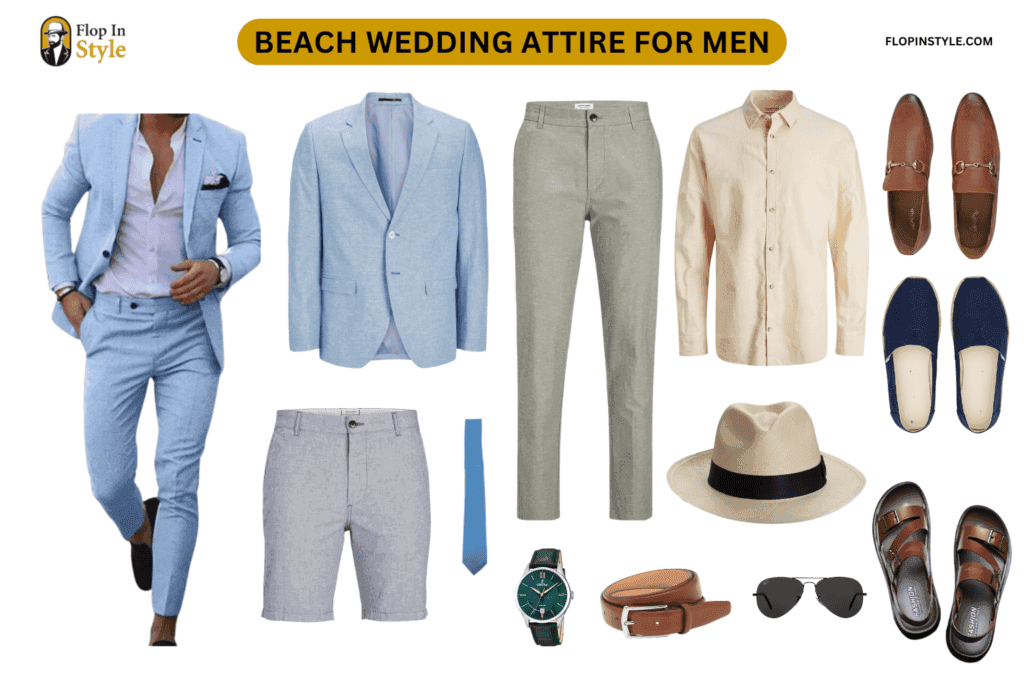
Creating a coastal chic wardrobe on a budget requires a combination of research, planning, and strategic investing. The first step is to identify the essential pieces that will form the foundation of your wardrobe, such as a classic white shirt, a pair of tailored linen pants, and a quality leather belt. These pieces can be mixed and matched to create a variety of outfits, from formal to casual, and can be dressed up or down depending on the occasion.
Once you have identified the essential pieces, you can begin to look for affordable options, such as thrift stores, outlet malls, and online discount retailers. You can also consider investing in quality and timeless pieces, such as a classic watch or a leather bag, which will last for years to come. Another approach is to focus on sustainable and eco-friendly options, such as organic cotton and recycled materials, which can help to reduce your environmental footprint while also saving you money.
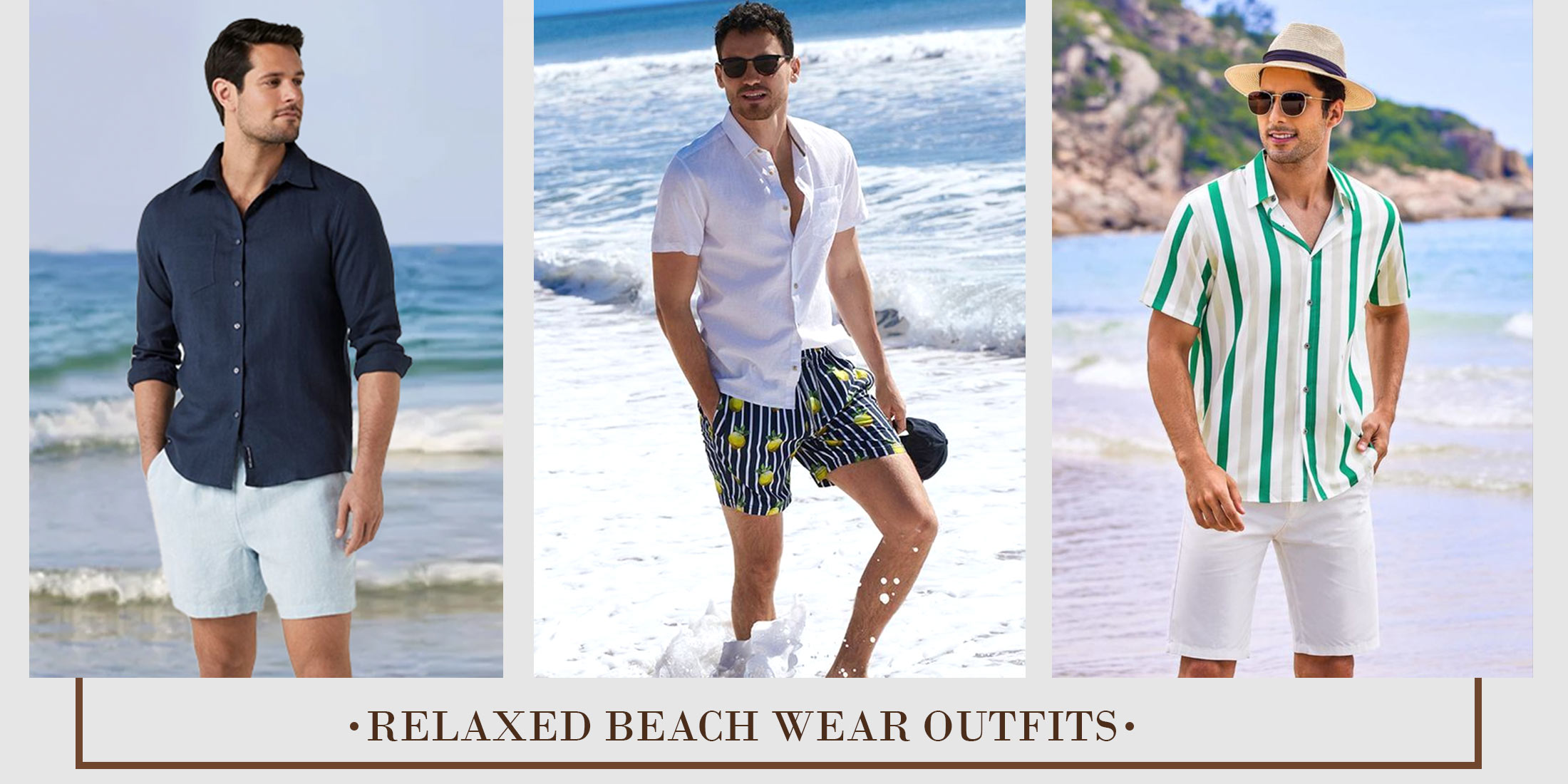
What are some common mistakes to avoid when creating a coastal chic wardrobe, and how can I ensure that my outfits are always stylish and sophisticated?
One of the most common mistakes to avoid when creating a coastal chic wardrobe is over-accessorizing. While accessories such as hats, sunglasses, and jewelry can add a touch of elegance and sophistication to an outfit, too many accessories can make you look try-hard or overdone. Another mistake is to neglect quality and craftsmanship in favor of fast fashion and disposable clothing. Not only can this approach harm the environment, but it can also lead to a wardrobe that is dated and unstylish.
To ensure that your outfits are always stylish and sophisticated, it is essential to focus on quality and timelessness over trendiness and novelty. Invest in classic pieces that will stand the test of time, and avoid fast fashion and disposable clothing. Also, pay attention to fit and proportion, making sure that your clothes are tailored to your body and create a flattering silhouette. Finally, don't be afraid to experiment and take risks, trying out new styles and combinations to find what works best for you.
As we look to the future, it is likely that coastal chic will continue to evolve, incorporating new technologies, materials, and designs while remaining true to its core values of quality, craftsmanship, and sustainability. With the growing awareness of climate change and environmental sustainability, designers and brands are under pressure to create clothing that is not only stylish but also eco-friendly and responsible. As a result, we can expect to see even more innovative and sustainable designs in the future, from recycled materials and organic cotton to zero-waste design and circadian fashion.
Despite the many challenges and uncertainties facing the fashion industry, coastal chic remains a timeless and enduring style that continues to inspire and influence designers and brands around the world. Whether you're a seasoned fashionista or just starting to build your wardrobe, coastal chic offers a unique and compelling vision of elegance and sophistication that is sure to stand the test of time. So why not join the conversation, and discover the many wonders and delights of coastal chic for yourself? With its rich history, diverse styles, and commitment to quality and sustainability, coastal chic is sure to remain a major force in men's fashion for years to come.

:max_bytes(150000):strip_icc()/BRI-Beach-Wedding-Attire-Graphic-5f1abd1b0fce494c8705f13d438424b6.jpg)