Beyond The Peep Show A Deep Dive Into The Psychology Of Exhibitionism

Hey there, folks! Today we're going to talk about something that might make you blush, but stick with me, because it's actually pretty fascinating. We're diving into the world of exhibitionism, and I promise you, it's not just about, well, you know... showing off. It's a complex psychological phenomenon that can reveal some interesting things about human behavior and desire.
So, what exactly is exhibitionism? In a nutshell, it's the act of deliberately exposing oneself or engaging in risqué behavior in public or private settings. Now, before you start thinking, "Wait, isn't that just, like, flashing or something?", hold up! While it's true that some forms of exhibitionism can be, ahem, unseemly, the psychology behind it is actually quite intriguing.
Why Do People Engage in Exhibitionism?
According to experts, exhibitionism can stem from a range of psychological factors, including low self-esteem, a need for attention and validation, or even a way to cope with anxiety or stress. Yep, you read that right - some people might engage in exhibitionistic behavior as a way to deal with feelings of insecurity or self-doubt. It's like, they're trying to prove to themselves and others that they're worthy of attention and admiration.
Must Read
But here's the thing: exhibitionism isn't just about the individual; it's also about the audience. Think about it: when someone exposes themselves or engages in risqué behavior, they're often seeking a reaction from others. It's like, they're trying to elicit a response, whether it's shock, embarrassment, or even admiration. And that, my friends, is where things get really interesting.
The Power of Vulnerability
Now, you might be thinking, "But isn't exhibitionism just about being attention-seeking or narcissistic?" And, yeah, sometimes it can be. But what if I told you that there's also a vulnerable side to exhibitionism? Like, what if someone is putting themselves out there, exposing their true self, not just to get attention, but to connect with others on a deeper level?
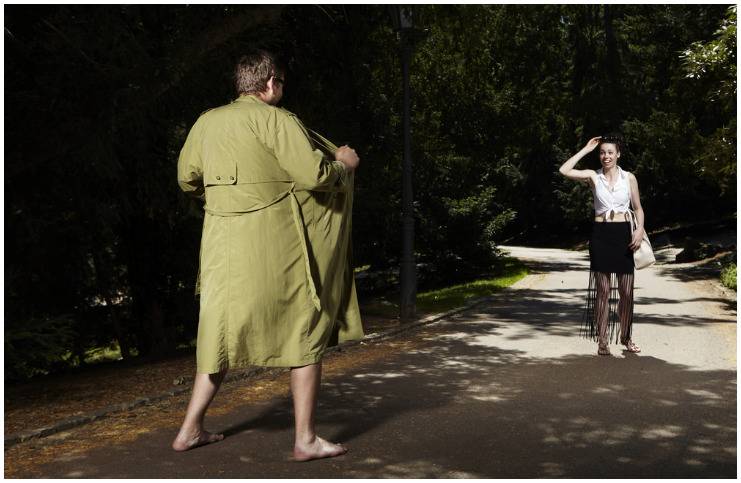
Think about it: when we're willing to be vulnerable, to show our true selves, even if it means risking embarrassment or rejection, that's when the magic happens. That's when we can form authentic connections with others, and build meaningful relationships. And, hey, who knows, maybe that's what some people are seeking when they engage in exhibitionism - a sense of connection and belonging.
The Psychology of Spectatorship
So, what about the people watching? What's going on in their minds when they witness exhibitionism? Well, it turns out that spectatorship is a complex phenomenon, too. Some people might feel embarrassed or uncomfortable when they witness exhibitionistic behavior, while others might be titillated or even inspired.

The key is to understand that spectatorship is a social phenomenon, too. When we watch someone engaging in exhibitionism, we're not just reacting as individuals; we're also responding to the cultural and social norms that surround us. And that's where things get really interesting - because what's considered "normal" or "acceptable" can vary greatly depending on the context and culture.
Breaking Down Barriers
So, what can we learn from exhibitionism? Well, for one thing, it can teach us about the importance of self-expression and authenticity. When we're willing to be our true selves, even if that means taking risks or facing criticism, that's when we can build meaningful connections with others and live more fulfilling lives.

And, hey, who knows, maybe exploring the psychology of exhibitionism can even help us break down some of the barriers and taboos that surround human sexuality and desire. By understanding what drives people to engage in exhibitionistic behavior, we can foster a more open and accepting attitude towards human expression and intimacy.
So, there you have it - a deep dive into the psychology of exhibitionism. It's not always easy to talk about, but by exploring this complex phenomenon, we can gain a deeper understanding of human behavior and desire. And who knows, maybe we'll even learn to be more open-minded and accepting of others, too. After all, as the saying goes, "variety is the spice of life" - and what's more varied than the human experience itself?
In the end, it's all about connection and understanding. By embracing our vulnerability and authenticity, we can build stronger, more meaningful relationships with others and live more fulfilling lives. So, let's keep exploring, shall we? The world of human psychology is full of surprises, and by being open and curious, we can discover new and exciting things about ourselves and others. Cheers to that!