Beach Wedding Guest Attire For Men Made Easy With These Simple Style Tips
When it comes to dressing for a beach wedding as a guest, men often find themselves in a sartorial conundrum. The desire to look stylish and put-together must be balanced with the need to stay cool and comfortable in a warm, potentially humid environment. This dilemma is rooted in the thermoregulatory challenges posed by beach environments, where the combination of direct sunlight, reflective sand, and possibly warm air temperatures can push the human body's ability to regulate its temperature to the limit. Understanding the biophysics of heat loss and gain is crucial for making informed decisions about what to wear.
The human body maintains its internal temperature through a variety of mechanisms, including sweating and vasodilation. However, in hot environments, these mechanisms can be overwhelmed, leading to heat stress or even heat exhaustion if not properly managed. Clothing plays a critical role in this process, as it can either facilitate or hinder the body's ability to cool itself. For instance, light-colored, loose-fitting clothing can help reflect sunlight and allow for better airflow, thereby reducing the risk of overheating.
From a biological perspective, the key to dressing appropriately for a beach wedding is to prioritize breathability and moisture-wicking properties in clothing. Fabrics such as cotton, linen, or synthetic blends designed to draw sweat away from the skin can be particularly effective. Furthermore, understanding the role of color in heat gain is essential; darker colors absorb more sunlight and therefore heat, while lighter colors reflect it, potentially keeping the wearer cooler. By applying these principles, men can navigate the challenges of dressing for a beach wedding with confidence and comfort.
Must Read
Dressing for the Occasion: The Science of Fabrics and Colors
Delving deeper into the science of fabrics, it becomes clear that the choice of material is not just about aesthetics but also about thermal regulation and comfort. Natural fibers like cotton and linen are renowned for their breathability, allowing for better airflow and moisture transfer. This is due to their microscopic structure, which includes tiny pores that facilitate the movement of air and water vapor. In contrast, synthetic fibers, while often more durable and easier to maintain, can sometimes trap heat and moisture, leading to discomfort.
The color of the attire is another critical factor influenced by the physics of light. Dark colors, such as black, absorb a significant portion of the visible light spectrum, converting it into heat. This phenomenon, known as thermal radiation, can make the wearer feel warmer. Conversely, light colors reflect more sunlight, reducing the amount of heat absorbed by the clothing and subsequently by the body. This principle is well-demonstrated by the traditional clothing choices in hot climates, where light, loose-fitting garments are preferred for their cooling effects.
In addition to fabric and color, the design of the clothing plays a significant role in thermal comfort. Loose-fitting clothes allow for better airflow around the body, enhancing the convective heat transfer mechanism by which the body cools itself. This is in contrast to tight-fitting clothing, which can restrict airflow and trap heat close to the skin. Furthermore, clothing items with ventilation features, such as mesh panels or breathable linings, can significantly improve comfort by facilitating the escape of heat and moisture.
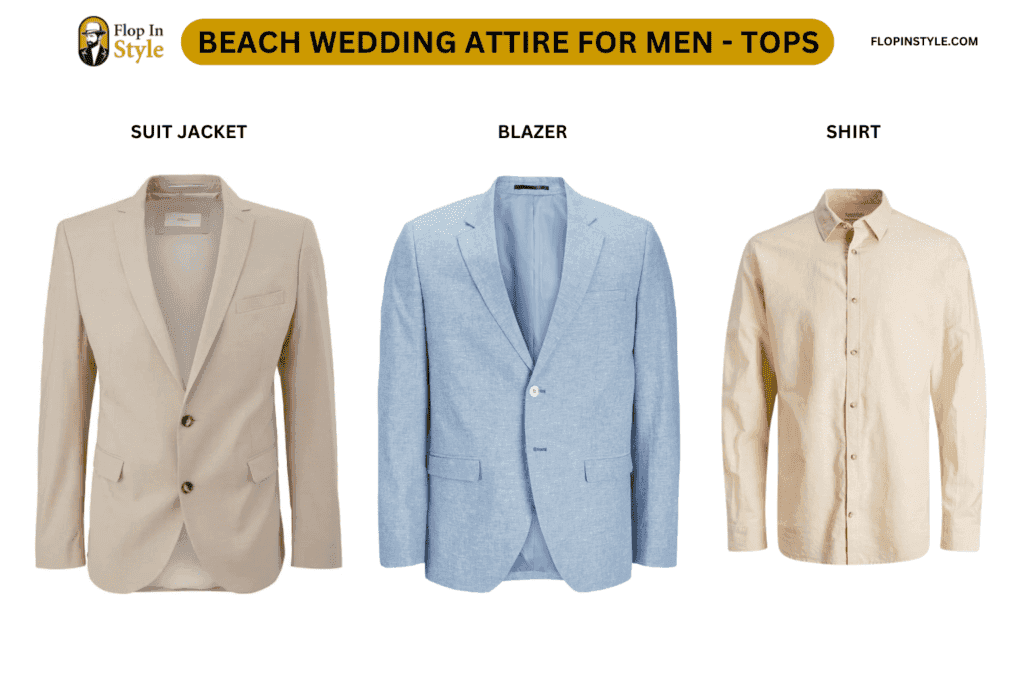
From a chemical perspective, the treatment and finishing of fabrics can also impact their performance in warm conditions. Some fabrics are treated with moisture-wicking chemicals that help draw sweat away from the skin, improving evaporation and cooling. Similarly, UPF (Ultraviolet Protection Factor) treatments can protect the skin from harmful UV radiation, reducing the risk of sunburn and related discomforts. Understanding these chemical enhancements can help in selecting the most appropriate attire for a beach wedding.
Mastering Beach Wedding Guest Attire: Practical Strategies
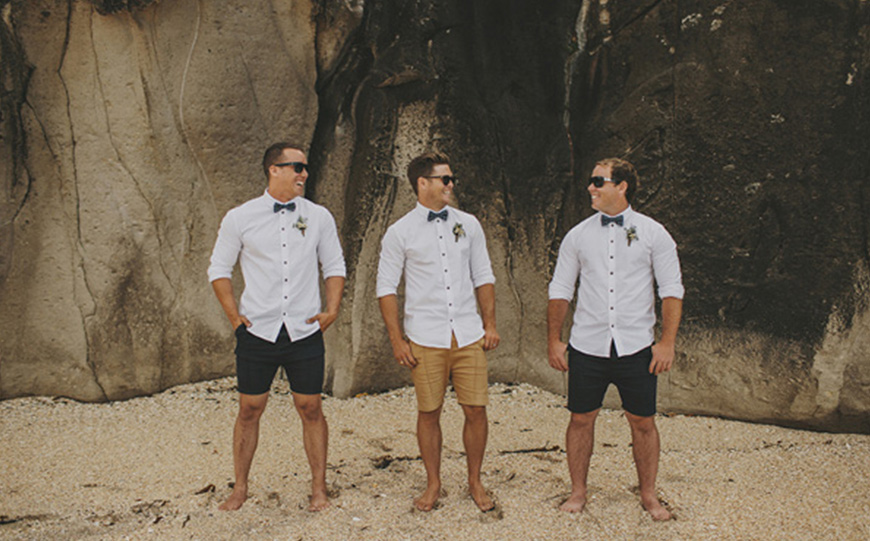
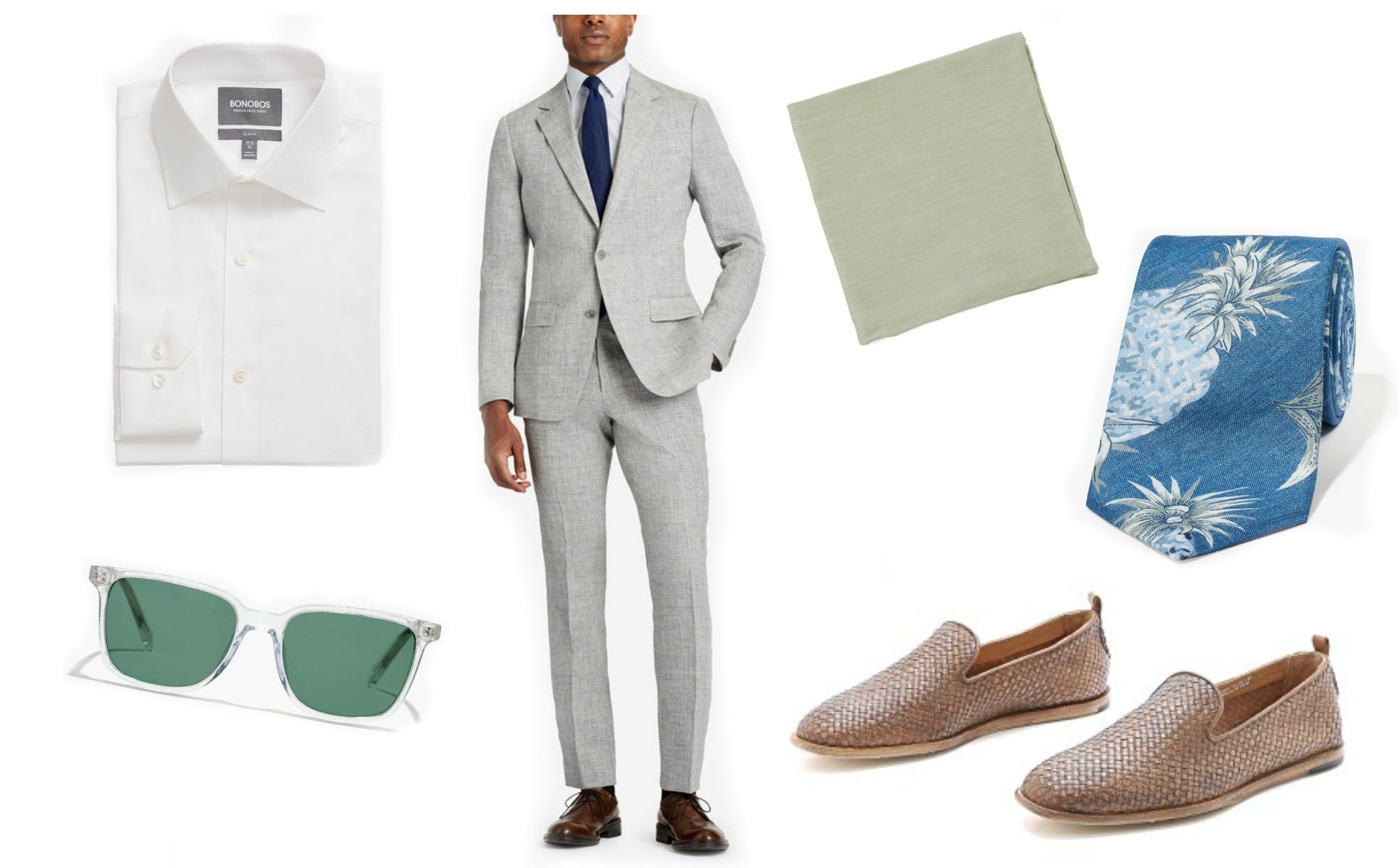
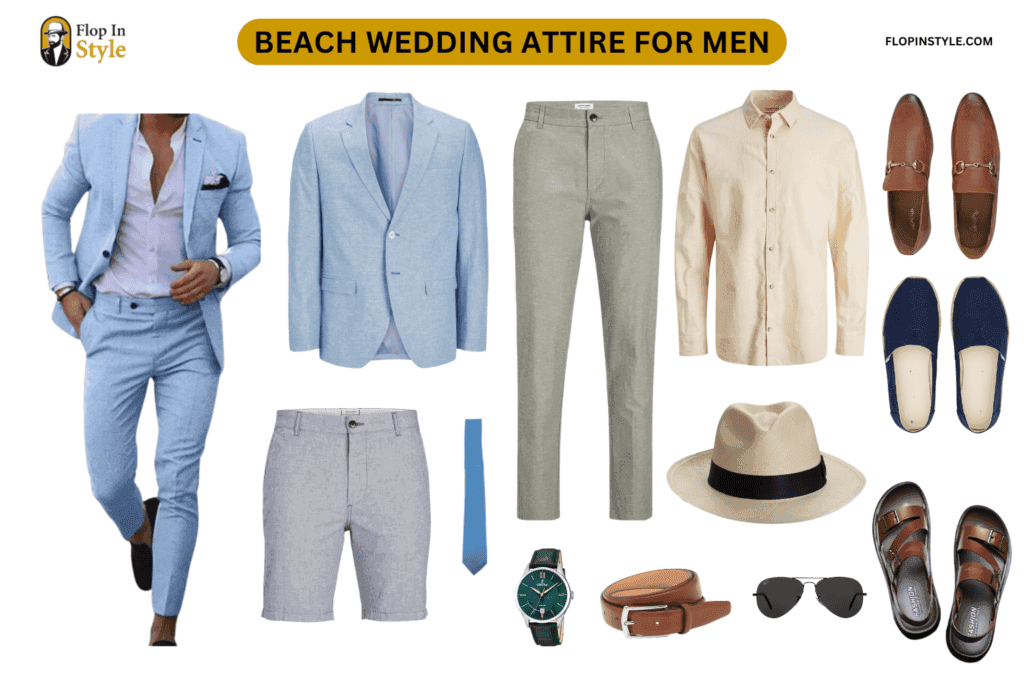
To master the art of dressing for a beach wedding, several practical strategies can be employed. First, choose lightweight, light-colored clothing that prioritizes breathability and comfort. Consider shirts made from moisture-wicking materials and pants or shorts that allow for good airflow. Second, select shoes wisely; sandals or loafers are preferable as they keep the feet cool and are appropriate for the occasion. Avoid closed-toe shoes that can trap heat and cause discomfort.
Another crucial aspect is layering. While it might seem counterintuitive to wear layers in warm weather, having a light, breathable jacket or sweater can be useful for cooler evenings or air-conditioned venues. The key is to layer strategically, starting with a base layer that manages moisture, followed by a mid-layer for warmth, and finally an outer layer that protects against the elements. Each layer should be removable to adjust to changing temperatures.

Accessorize thoughtfully; a hat can provide essential protection against the sun, while sunglasses protect the eyes. However, avoid accessories that can trap heat or cause discomfort, such as heavy watches or tight bracelets. Instead, opt for lightweight, breathable accessories that complement the outfit without compromising comfort.
Lastly, consider the dress code specified by the wedding invitation, if any. While the desire to express personal style is important, respecting the occasion and the hosts' preferences is paramount. For beach weddings, the dress code is often more relaxed, but underdressing can be just as inappropriate as overdressing. Aim for a balance that respects the formality of the event while prioritizing comfort and practicality.
Frequently Asked Questions
What is the most appropriate color for a beach wedding attire for men?
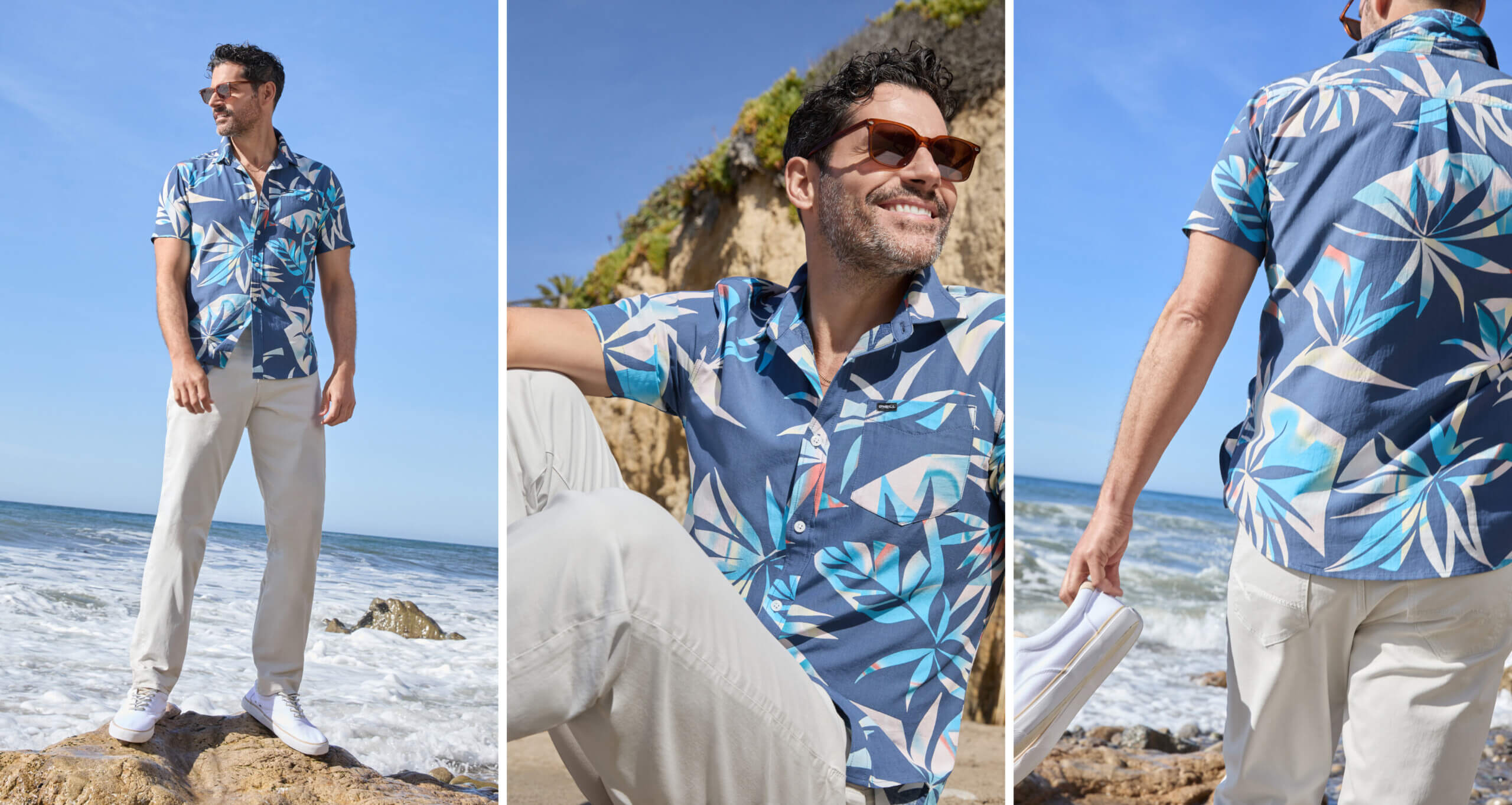
The choice of color for a beach wedding is largely dictated by the principles of thermal comfort and aesthetics. Light colors such as beige, light gray, or pastel shades are highly recommended as they reflect sunlight and keep the wearer cooler. However, the color should also complement the wedding's theme and the surrounding environment. For instance, a beach wedding with a nautical theme might call for navy blues or whites, while a more rustic or earthy theme could incorporate earth tones.

In addition to personal preference and the wedding's theme, skin tone and hair color should be considered when selecting colors. Certain colors can either complement or clash with an individual's natural coloring, affecting the overall appearance. For example, individuals with cool skin tones tend to look better in blue-based colors, while those with warm skin tones are often complemented by yellow-based hues. Understanding these interactions can help in making a more informed decision about the attire's color.
How can I ensure my clothing is both stylish and comfortable for a beach wedding?
Ensuring that clothing is both stylish and comfortable involves a combination of fashion sense, practicality, and an understanding of the physics of comfort. Starting with a foundation of breathable, moisture-wicking fabrics, one can then consider the style and cut of the clothing. Loose-fitting garments are generally more comfortable and allow for better airflow, but they should not be so loose as to appear sloppy. The key is finding a balance between style and comfort, where the clothing enhances the wearer's appearance without compromising their physical comfort.
A useful approach is to plan ahead and consider the entire day's activities and environment. If the wedding will be held during the hottest part of the day, prioritize lightweight, light-colored clothing. For evening events, a light jacket or sweater can be added for warmth without overdressing. Additionally, accessorizing wisely can make a significant difference; choosing accessories that are both stylish and functional, such as a watch that is also a fitness tracker, can enhance the overall look while providing practical benefits.
What are some life hacks for staying cool and comfortable during a beach wedding?
Several life hacks can be employed to stay cool and comfortable during a beach wedding. Firstly, stay hydrated by drinking plenty of water throughout the day. Dehydration can exacerbate the effects of heat, leading to discomfort and potentially serious health issues. Secondly, seek shade when possible, especially during the peak sun hours. Bringing a parasol or wearing a hat can provide personal shade and protect against the sun.
Another useful hack is to use cooling products, such as cooling towels or cooling packs, which can be placed in strategic locations like the neck or wrists to lower body temperature. Furthermore, dress according to the activity level; if the plan is to dance extensively, wear clothing that allows for a full range of motion and won't trap heat. Finally, take breaks in cooler environments, such as an air-conditioned space, to give the body a chance to recover from the heat. These strategies can significantly enhance comfort and enjoyment during the event.
Respecting the science behind dressing for a beach wedding not only makes us more comfortable and stylish guests but also more considerate and respectful of the occasion. By understanding the biological and physical principles at play, we can make informed choices that benefit both ourselves and those around us. This approach to dressing is an example of how applying scientific knowledge to everyday life can lead to better outcomes and a more harmonious interaction with our environment.
Furthermore, the pursuit of optimized comfort and style through scientific understanding reflects a broader trend towards efficiency and sustainability in our daily choices. By selecting clothing and accessories that are not only appropriate for the occasion but also mindful of our biological needs and environmental impact, we contribute to a culture of awareness and responsibility. This mindset, when applied across various aspects of life, can lead to significant improvements in personal well-being and societal welfare, demonstrating the profound impact of small, informed decisions on our larger human experience.