Anal Sex Safety Explained

When it comes to anal sex, safety is a paramount concern that should never be overlooked. The anal region is highly sensitive and prone to injury, making it crucial to understand the basic science behind anal sex to engage in it safely. Research has shown that the anal canal lacks the natural lubrication found in the vagina, which means that artificial lubricants must be used to reduce friction and prevent tears. Furthermore, the anus contains a high concentration of blood vessels close to the surface, which can increase the risk of bleeding if not handled carefully.
A key aspect of anal sex safety is the use of protection, such as condoms, to prevent the transmission of STIs (Sexually Transmitted Infections). Studies have demonstrated that consistent condom use can significantly reduce the risk of STI transmission. Additionally, communication between partners is essential to ensure that both parties are comfortable and willing to engage in anal sex. This includes discussing boundaries, desires, and concerns to create a safe and enjoyable experience.
The biology of the anal region also plays a critical role in anal sex safety. The anal sphincter is a complex muscle that controls the opening and closing of the anus, and relaxation techniques can help to reduce anxiety and discomfort. Moreover, anatomical knowledge is essential to understand the location of the prostate gland in men and the perineum in women, both of which can be sensitive areas that require gentle handling.
Must Read
Understanding the Science of Anal Sex
The physiology of anal sex involves a complex interplay of nervous system responses, hormonal fluctuations, and muscular contractions. During anal sex, the parasympathetic nervous system is activated, which can lead to relaxation and reduced anxiety. However, the syrmpathetic nervous system can also be triggered, causing increased heart rate and blood pressure. Research has shown that breathing techniques and progressive muscle relaxation can help to mitigate these effects and create a more relaxing experience.
The chemistry of anal sex is also an important consideration, particularly when it comes to lubricants and cleaning products. Studies have demonstrated that oil-based lubricants can cause condom breakdown, while water-based lubricants are generally safer. Additionally, harsh chemicals in cleaning products can irritate the anal mucosa, leading to discomfort and infection.
The systemic effects of anal sex can also have a significant impact on overall health. Research has shown that regular anal sex can lead to strengthening of the anal sphincter and improved bowel function. However, inadequate lubrication and rough handling can cause anal tears and infection, which can have serious consequences if left untreated.

Finally, the psychological aspects of anal sex should not be overlooked. Studies have demonstrated that communication, trust, and mutual respect are essential components of a healthy and enjoyable anal sex experience. Additionally, education and awareness about anal sex safety can help to reduce stigma and anxiety, creating a more positive and empowering experience.
Practical Strategies for Anal Sex Safety
One of the most effective ways to ensure anal sex safety is to use protection, such as condoms or dental dams. Research has shown that consistent condom use can significantly reduce the risk of STI transmission. Additionally, choosing the right lubricant can help to reduce friction and discomfort. Water-based lubricants are generally safer than oil-based lubricants, which can cause condom breakdown.
Another key strategy for anal sex safety is to communicate with your partner. This includes discussing boundaries, desires, and concerns to create a safe and enjoyable experience. Research has shown that open communication can help to reduce anxiety and stress, creating a more relaxing and enjoyable experience.
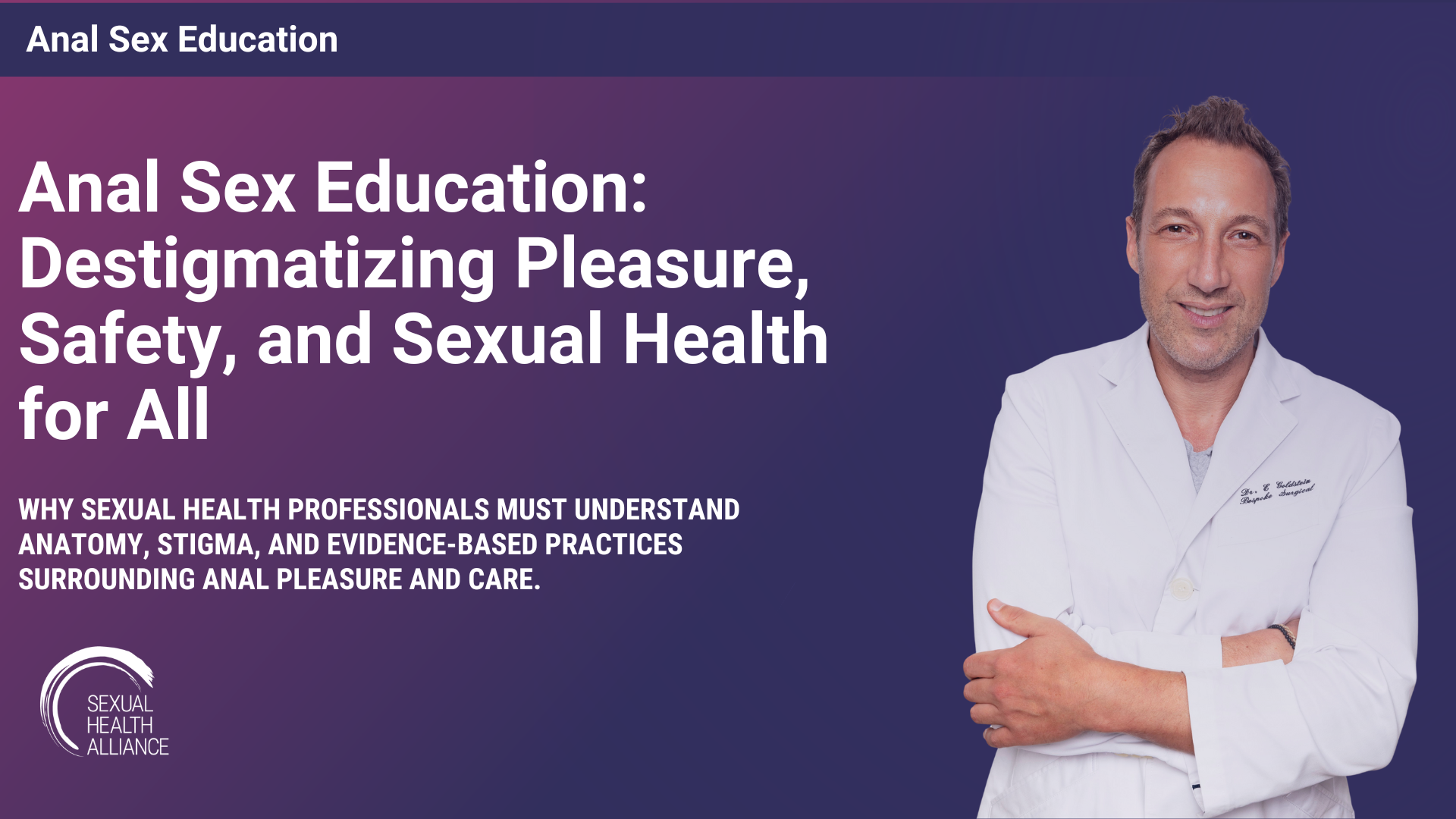
Relaxation techniques can also play a critical role in anal sex safety. Deep breathing, progressive muscle relaxation, and mindfulness can help to reduce anxiety and discomfort. Additionally, anatomical knowledge can help to identify sensitive areas, such as the prostate gland in men and the perineum in women, which require gentle handling.
Finally, regular health check-ups are essential for maintaining anal sex safety. Research has shown that regular STI testing and health screenings can help to identify potential health issues before they become serious. Additionally, discussion with a healthcare provider can provide valuable insights and recommendations for maintaining a healthy and safe anal sex experience.
Frequently Asked Questions
What are the risks of anal sex, and how can I minimize them?
The risks of anal sex include STI transmission, anal tears, and infection. To minimize these risks, it is essential to use protection, such as condoms or dental dams, and to choose the right lubricant. Water-based lubricants are generally safer than oil-based lubricants, which can cause condom breakdown. Additionally, communication with your partner is crucial to ensure that both parties are comfortable and willing to engage in anal sex.
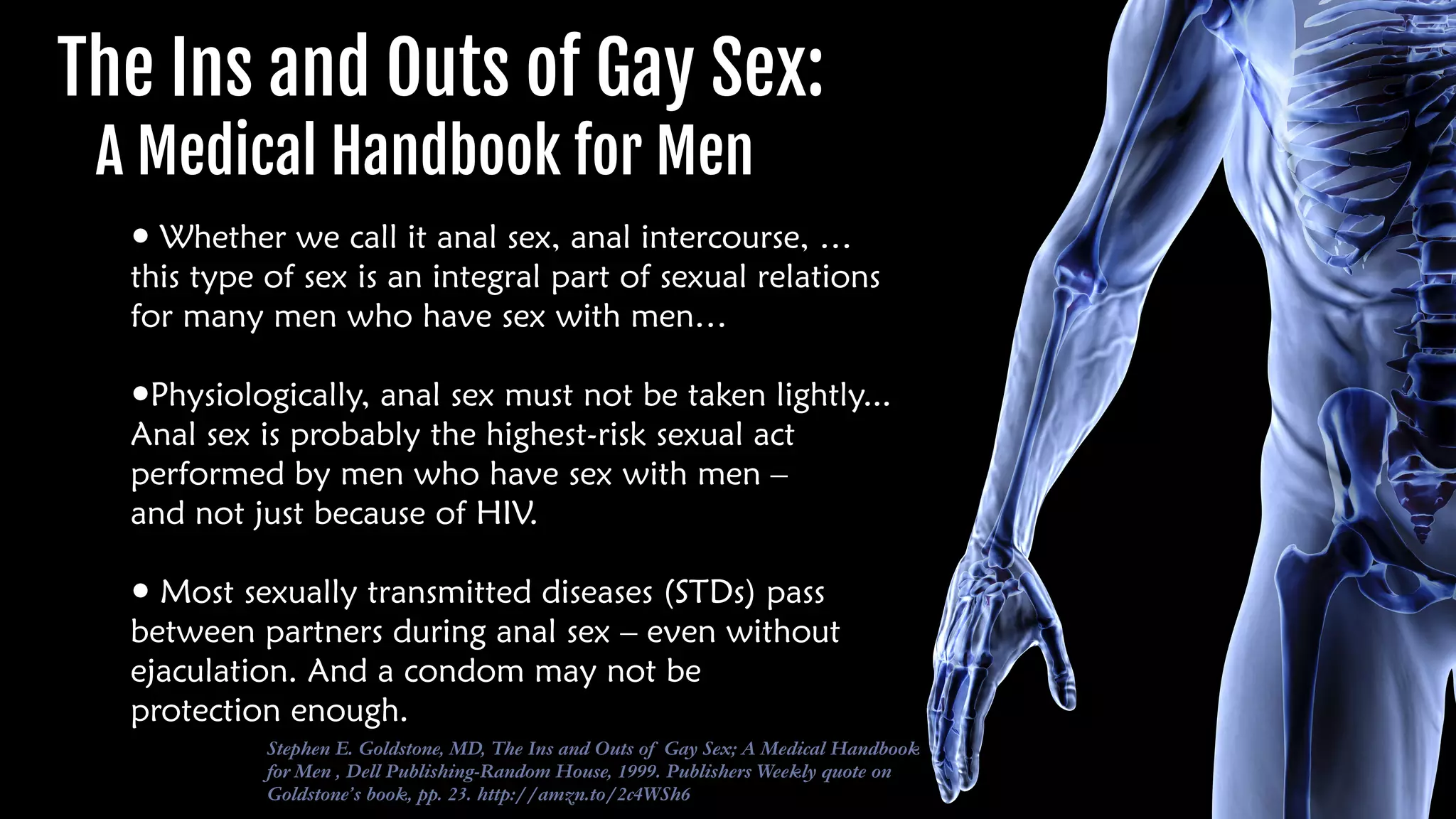
Regular health check-ups are also essential for maintaining anal sex safety. Research has shown that regular STI testing and health screenings can help to identify potential health issues before they become serious. Additionally, discussion with a healthcare provider can provide valuable insights and recommendations for maintaining a healthy and safe anal sex experience. By taking these precautions, individuals can minimize the risks associated with anal sex and enjoy a safe and healthy experience.
How can I prepare for anal sex, and what are some tips for making it more enjoyable?
Preparing for anal sex involves a combination of physical and emotional preparation. Relaxation techniques, such as deep breathing and progressive muscle relaxation, can help to reduce anxiety and discomfort. Additionally, anatomical knowledge can help to identify sensitive areas, such as the prostate gland in men and the perineum in women, which require gentle handling.
To make anal sex more enjoyable, it is essential to communicate with your partner and to choose the right lubricant. Water-based lubricants are generally safer than oil-based lubricants, which can cause condom breakdown. Additionally, starting slowly and gradually increasing intensity can help to reduce discomfort and create a more enjoyable experience. By taking these steps, individuals can prepare for anal sex and make it a more enjoyable and fulfilling experience.

What are some common myths and misconceptions about anal sex, and how can I separate fact from fiction?
There are many common myths and misconceptions about anal sex, including the idea that it is only for gay men or that it is always painful. However, research has shown that anal sex can be a safe and enjoyable experience for individuals of all sexual orientations and gender identities. To separate fact from fiction, it is essential to educate yourself about anal sex and to consult reputable sources, such as healthcare providers and sexuality educators.
Additionally, communication with your partner is crucial to ensure that both parties are comfortable and willing to engage in anal sex. By discussing boundaries, desires, and concerns, individuals can create a safe and enjoyable experience. Regular health check-ups are also essential for maintaining anal sex safety and for identifying potential health issues before they become serious. By taking these steps, individuals can separate fact from fiction and enjoy a safe and healthy anal sex experience.
By respecting the science behind anal sex, individuals can create a safe and enjoyable experience that is free from stigma and anxiety. Education and awareness are essential for promoting a positive and empowering experience. By communicating with your partner, choosing the right lubricant, and starting slowly, individuals can enjoy a fulfilling and satisfying experience. Additionally, regular health check-ups are crucial for maintaining anal sex safety and for identifying potential health issues before they become serious.
In conclusion, anal sex safety is a critical concern that should never be overlooked. By understanding the basic science behind anal sex, individuals can create a safe and enjoyable experience that is free from stigma and anxiety. Research has shown that consistent condom use, communication with your partner, and regular health check-ups are essential for maintaining anal sex safety. By taking these precautions, individuals can enjoy a safe and healthy anal sex experience that is both fulfilling and satisfying.